I remember the first tomato I grew from seed—it was tiny, red, and tasted like sunshine on a summer afternoon. That moment hooked me for life. Now, I spend my days digging into soil, chasing the perfect bloom, and sharing the little joys of gardening that make it all worthwhile. This site is where I pass along the lessons I’ve learned, the plants that thrive in my zone, and the quiet magic of watching something grow from nothing.
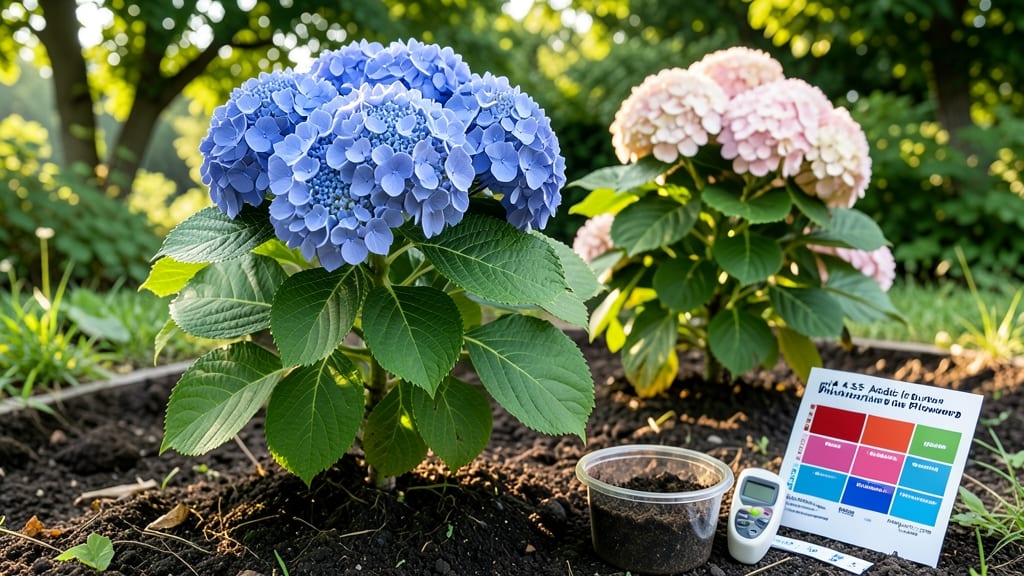
💥 Quick Answer Testing soil pH in gardening is essential because it determines whether your plants will thrive or struggle—most vegetables grow best in slightly acidic soil (6.0–7.0), while blueberries require acidic…
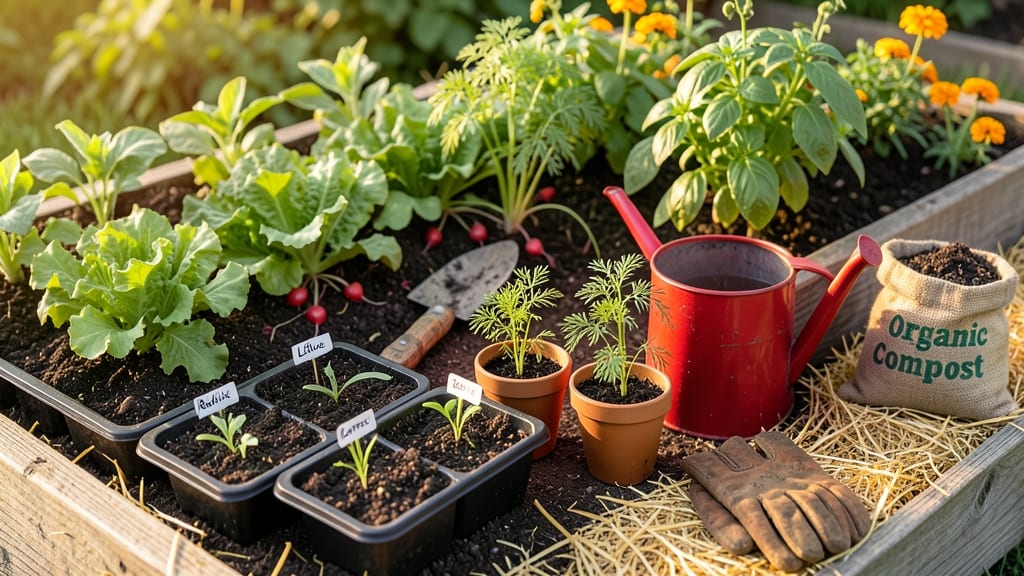
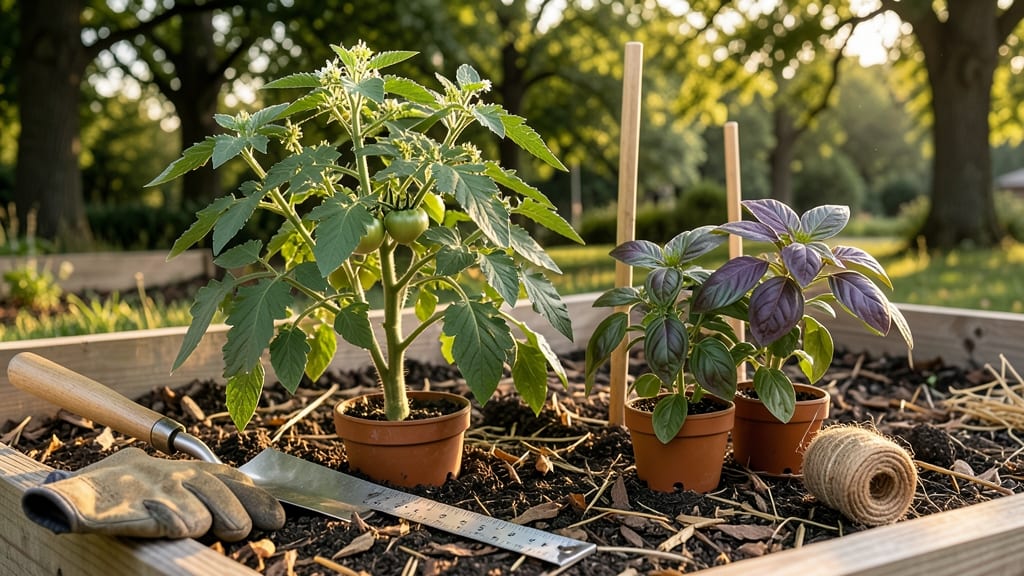
💥 Quick Answer To grow a garden successfully, plan your seasonal planting zones, maintain proper spacing between plants, and follow a timeline that accounts for frost dates and sun exposure. Begin with beginner-friendly…
💥 Quick Answer Meerkerk Gardens in Washington thrives in USDA Zones 7b-8a , with average first frost around October 15 and last frost near April 15 . Optimal plants include cold-hardy perennials like lavender…
💥 Quick Answer Garden plant spacing determines healthy growth and high yields by reducing competition for nutrients, improving air circulation, and maximizing sunlight exposure to each plant. Follow species-specific…
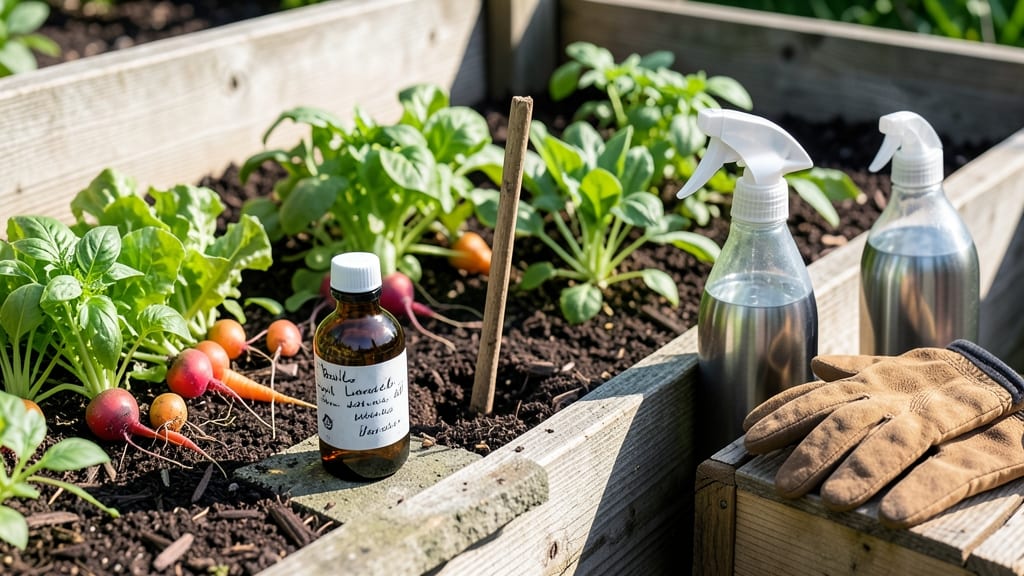
💥 Quick Answer Boiled linseed oil is safe for garden beds when applied properly, as it boosts soil structure and moisture retention without harming plants. However, overuse can smother roots or attract pests like ants…
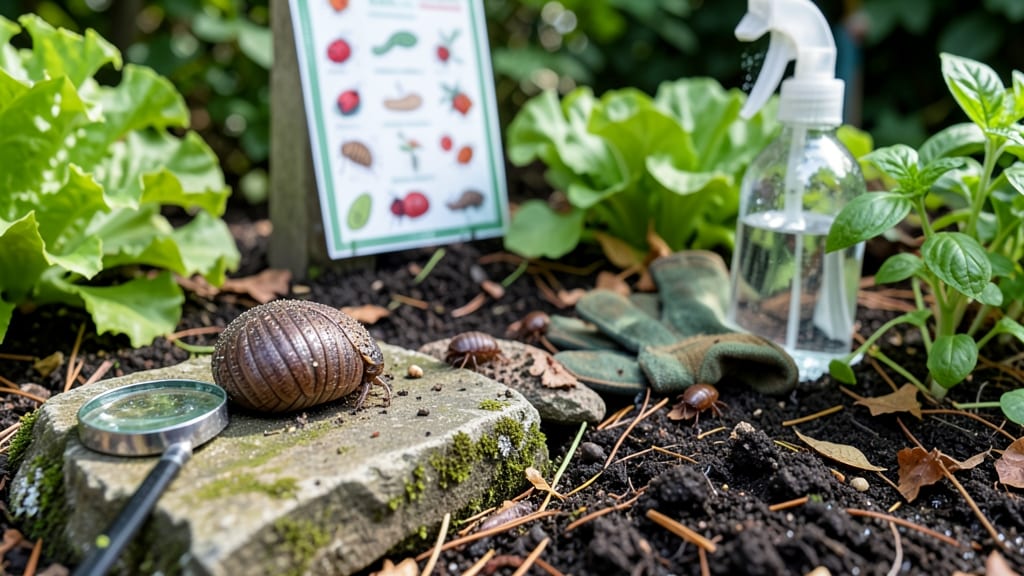
💥 Quick Answer Rollie pollies (pill bugs) are not bad for gardens—they decompose organic matter, aerate soil, and control pests like mold and fungus by feeding on decaying plant material and dead leaves. Their presence…
💥 Quick Answer Longwood Gardens’ Dupont Woodland Garden showcases rare native plants and expertly layered foliage, creating a lush tapestry of seasonal blooms and woodland understory species that stay vibrant all year…
💥 Quick Answer A rose garden in Seattle WA thrives when you plant bare-root roses in early spring (March–April) or fall (September–October), select cold-hardy varieties like David Austin or Knock Out roses, and amend…
💥 Quick Answer Creating a big garden in Omaha means working with Zone 5b's growing season, planting cool-season crops like kale and lettuce in early spring (March–April) and warm-season plants (tomatoes, peppers) after…
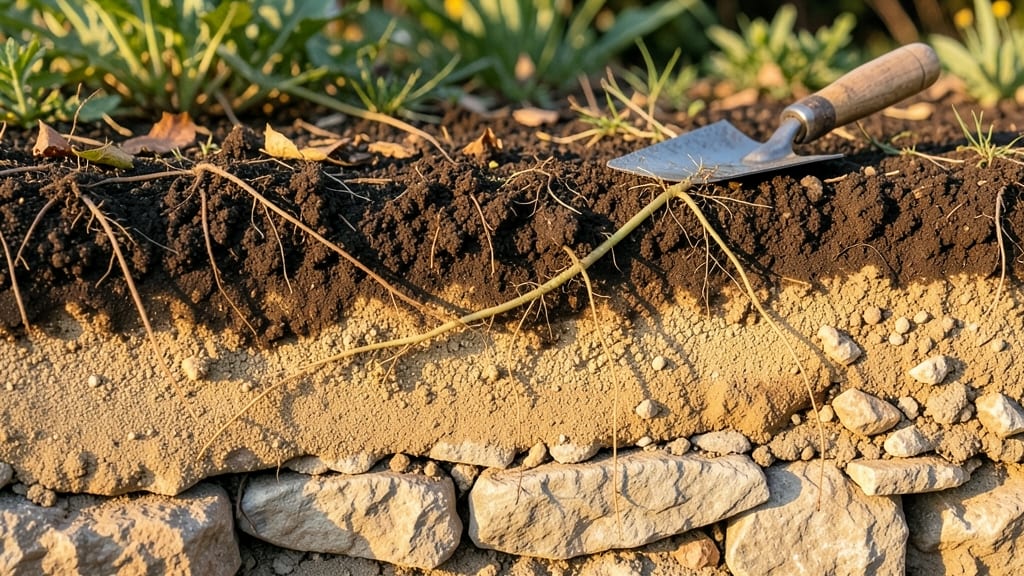
💥 Quick Answer Garden soil layers develop through natural processes like decomposition and weathering, forming distinct layers called horizons that control water drainage, nutrient distribution, and root penetration…