
Tools
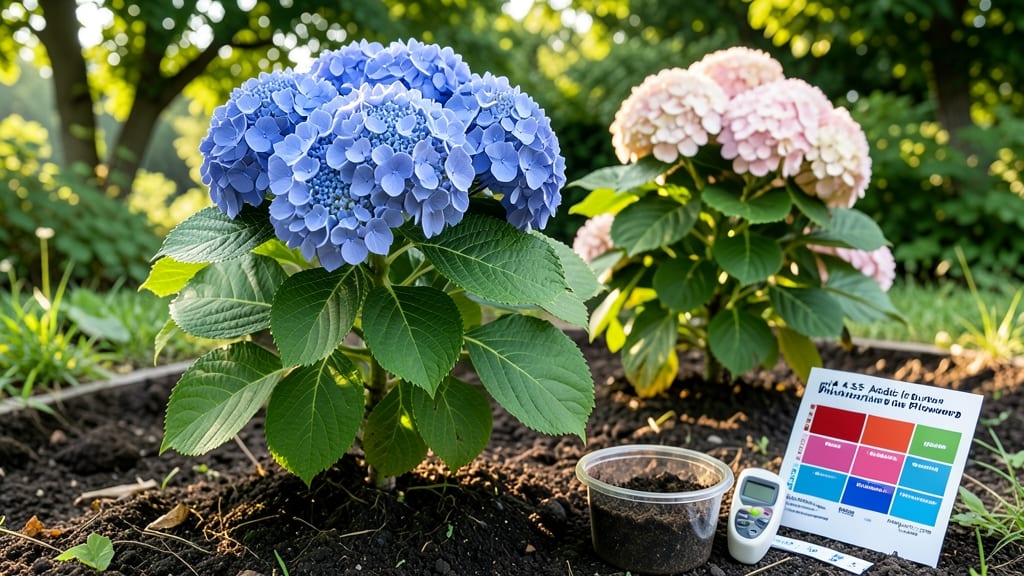
Testing soil pH in gardening is essential because it determines whether your plants will thrive or struggle—most vegetables grow best in slightly acidic soil (6.0–7.0), while blueberries require acidic conditions (4.5–5.5) and lawns prefer neutral (6.5–7.5). For accurate results, use a DIY kit, vinegar/baking soda test, or a digital meter before planting.
Soil pH isn't just about numbers—it directly affects what nutrients your plants can access.
For example, tomatoes need slightly acidic soil to absorb phosphorus, while azaleas thrive in acidic conditions to uptake iron. 🌱 A simple vinegar and baking soda test can give you a quick estimate, but for precise readings, I recommend investing in a digital meter.
The key is testing before planting, so you can adjust your soil with amendments like lime (to raise pH) or sulfur (to lower it) if needed.
Most gardeners overlook how pH impacts microbial life in the soil—beneficial bacteria and fungi only flourish within specific ranges. That's why even a small shift from 6.5 to 7.0 can change how well your plants grow.
I always test my soil twice a year, especially after heavy rain or if I notice yellowing leaves, which often signals a pH imbalance.
💡 In This Article
- How Soil pH Affects Plant Growth and Nutrient Absorption
- Best DIY Soil pH Testing Methods Compared
How soil pH affects plant growth and nutrient absorption
Soil pH measures how acidic or alkaline your soil is on a scale from 0 (most acidic) to 14 (most alkaline), with 7 being neutral. This scale isn't just numbers—it determines which nutrients plants can absorb.
For instance, phosphorus becomes unavailable to plants when soil pH drops below 5.5 or rises above 7.5, which is why tomatoes often struggle in highly acidic or alkaline soil.
The roots of most vegetables also prefer a slightly acidic environment (6.0–7.0) because this range keeps essential minerals like calcium, magnesium, and potassium soluble and accessible.
What makes pH so critical is how it influences microbial activity. Beneficial soil bacteria and fungi thrive in specific pH ranges, breaking down organic matter and making nutrients available to plants. For example, mycorrhizal fungi—key partners for plant roots—prefer slightly acidic soil (6.0–6.5).
When pH strays too far from this range, these microbes become less active, reducing nutrient uptake. 🌱 This is why blueberries, which love acidic soil (4.5–5.5), often develop chlorosis (yellow leaves) when planted in neutral soil—they can't access enough iron, even if it's present.
Different plants have unique pH needs based on their natural habitats. Azaleas and hydrangeas, for instance, evolved in acidic forest floors, so they require 5.0–5.5 pH to absorb iron and manganese.
On the other hand, asparagus and most lawn grasses prefer neutral to slightly alkaline soil (6.5–7.5) because they've adapted to absorb nutrients in those conditions.
Even the texture of the soil changes with pH—acidic soils often feel gritty due to aluminum buildup, while alkaline soils may have a chalky consistency from calcium carbonate.
One of the most overlooked effects of pH is how it alters nutrient availability in real time. For example, manganese becomes toxic to plants at pH 5.5 or lower, which is why you might see brown spots on leaves even if the soil looks fertile.
Conversely, at pH 7.5, phosphorus becomes locked away as insoluble compounds, starving plants despite high fertilizer levels. This is why soil testing before planting isn't just helpful—it's essential for preventing costly mistakes.
Adjusting pH is easier than you might think. To lower acidic soil, add elemental sulfur or aluminum sulfate, which gradually acidify the soil over weeks. For alkaline soil, use garden lime (calcium carbonate) to raise pH, but apply it in small amounts to avoid overshooting.
The key is patience—amendments take time to work, and retesting after 2–3 months ensures you've hit the sweet spot for your plants.
Here's a quick reference for common plants and their ideal pH ranges:
- Vegetables (tomatoes, peppers, lettuce): 6.0–7.0 (slightly acidic to neutral)
- Fruits (blueberries, azaleas, rhododendrons): 4.5–5.5 (acidic)
- Lawns (Kentucky bluegrass, fescue): 6.5–7.5 (neutral to slightly alkaline)
- Herbs (rosemary, thyme): 6.0–8.0 (neutral to alkaline)
Understanding these ranges helps you make informed decisions about soil amendments, ensuring your garden thrives without guesswork. 💫