
Vegetables
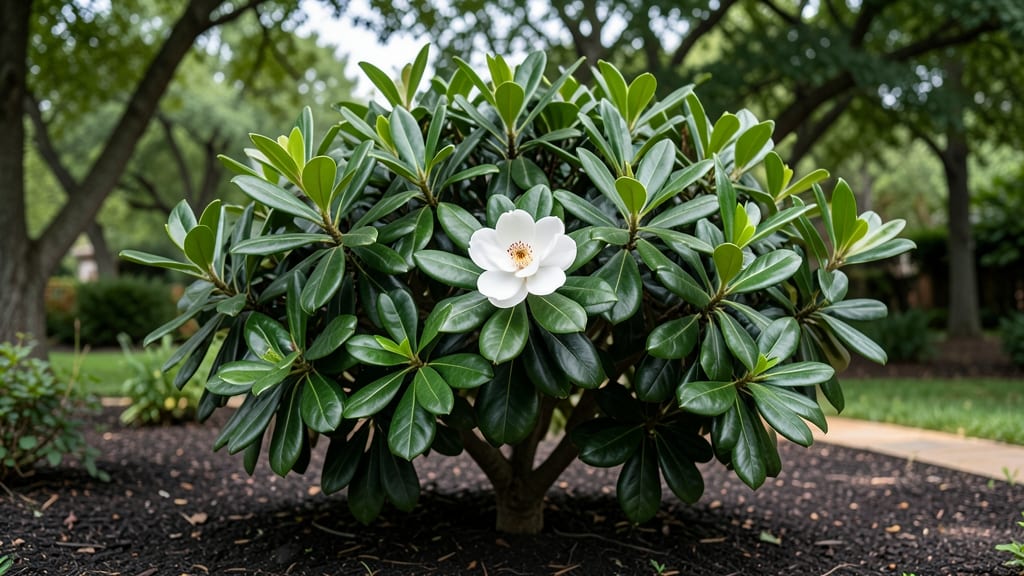
Meerkerk Gardens in Washington thrives in USDA Zones 7b-8a, with average first frost around October 15 and last frost near April 15. Optimal plants include cold-hardy perennials like lavender, ornamental grasses, and drought-resistant shrubs such as manzanita or ceanothus, alongside seasonal blooms like peonies and hydrangeas for year-round color.
Washington’s USDA Zones 7b-8a create a unique growing environment where plants need to handle both mild winters and hot summers. 🌿 The frost-free period between April 15 and October 15 gives gardeners a generous window for warm-season crops, but early spring and late fall still require careful planning.
I’ve seen firsthand how this climate supports both drought-resistant natives and classic perennials—like lavender—that thrive with minimal water once established.
For those just starting, the key is balancing moisture-loving plants (like hydrangeas) with drought-tolerant varieties (such as manzanita) to create a resilient landscape. The region’s microclimates—especially near Puget Sound—can also shift frost dates by a week or two, so local observations matter more than calendar dates alone.
💡 In This Article
- Understanding Washington’s Planting Zones and Frost Timelines
- Top Perennials and Drought-Tolerant Plants for Meerkerk Gardens
Understanding Washington’s planting zones and frost timelines
Washington’s USDA Zones 7b-8a reflect a transitional climate where winter temperatures rarely drop below 5°F in Zone 7b or 10°F in Zone 8a, while summer highs can exceed 90°F.
The key distinction lies in the 10°F difference between these zones—Zone 7b experiences slightly colder winters, which affects which perennials survive without protection. For example, lavender (Lavandula) thrives in both zones, but tender varieties like English lavender may need winter mulch in Zone 7b areas near higher elevations.
The frost-free period of roughly 200 days (April 15–October 15) creates a long growing season, but early spring frosts can still occur—especially in inland areas like Yakima Valley, where April 15 might see a 20% chance of frost.
Gardeners often use frost cloth or plant cold-hardy crops like broccoli or kale in late March to capitalize on this window. Conversely, late fall planting (e.g., garlic or tulip bulbs) must happen by October 1 to avoid winter die-off, as soil temperatures drop below 50°F by mid-October.
Microclimates play a critical role in Washington’s gardening success. Coastal areas near Puget Sound (e.g., Bainbridge Island) enjoy milder winters due to ocean influence, delaying first frost by 1–2 weeks compared to inland Seattle.
This explains why hydrangeas flourish near the water but may struggle in drier, colder pockets of King County. Conversely, manzanita shrubs—native to drier, warmer inland zones—thrive in Zone 8a but can scorch in coastal humidity if planted in full sun without afternoon shade.
Understanding these patterns helps with strategic planting. For instance, peonies (Zone 3–8) bloom reliably in Zone 7b-8a but need well-drained soil to avoid winter rot. Meanwhile, ornamental grasses like Miscanthus benefit from late-summer heat but may brown prematurely in Zone 7b if not given full sun exposure.
The solution? Group plants by their chill-hour requirements—perennials like Russian sage (300–600 hours) suit Zone 7b, while catmint (200–400 hours) thrives in both zones.
Pro Tip: Use a local frost calendar (available from WSU Extension) to track real-time data—historical averages can shift yearly. For example, the 2021 early October frost in Eastern Washington caught many off guard, highlighting why flexible planting dates are essential. Even in Zone 8a, a sudden cold snap can damage tender perennials like dahlias, which need mulching or container protection after September 15.
For bulb lovers, spring-blooming varieties (e.g., daffodils, tulips) should be planted in fall (October–November) to establish roots before winter, while summer-blooming bulbs (e.g., alliums) can wait until early spring when soil warms above 50°F.
This timing ensures bulbs survive Washington’s wet winters without rotting—a common issue for beginners who plant too late.