
Fertilization
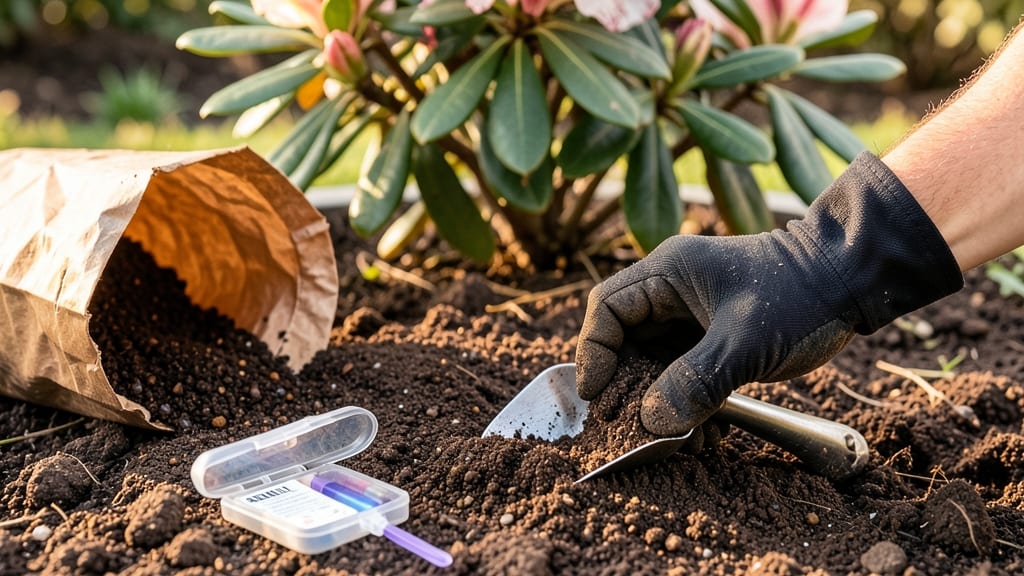
Using coffee grounds as garden fertilizer provides a nitrogen-rich boost that improves soil structure while attracting earthworms, but balance is key to avoid over-acidifying or compacting soil. Apply sparingly and compost first for best results.
Coffee grounds work wonders for your garden because they're packed with nitrogen, which plants crave for leafy growth, but they also contain trace minerals like potassium and phosphorus. 🌱 The real magic happens when they break down—this process aerates compacted soil and helps retain moisture, creating an ideal environment for beneficial microbes.
I've seen firsthand how a thin layer of used grounds mixed into compost can transform tired soil into a thriving ecosystem within weeks.
What many gardeners overlook is the pH effect—while coffee grounds are acidic, they neutralize over time when composted properly. The key is moderation: a 1-inch layer spread around plants or worked into the top 6 inches of soil is plenty.
For acid-loving plants like blueberries or azaleas, this can be a game-changer, but for others, it's best to blend them with other compost materials to balance the acidity.
💡 In This Article
- How Coffee Grounds Improve Soil Chemistry
- Best Ways to Use Coffee Grounds in Your Garden
How coffee grounds improve soil chemistry
Coffee grounds are a powerhouse of nitrogen—about 2% by weight, which is higher than many organic fertilizers. When these grounds decompose, they release nitrogen in a form plants can readily absorb, fueling lush green growth.
The breakdown process also introduces beneficial microbes that help convert organic matter into plant-available nutrients. Think of it like a slow-release fertilizer that improves soil health over time rather than delivering an instant chemical boost.
What's fascinating is how coffee grounds physically transform soil texture. Their coarse, granular structure creates tiny air pockets when mixed into soil, improving aeration and root development. Studies show that adding 10-20% coffee grounds to compost increases porosity by up to 30% compared to regular compost alone.
This air flow is crucial for root respiration, especially in dense clay soils where oxygen gets trapped. The grounds also act like a sponge, holding 2-3 times their weight in water while slowly releasing it to plant roots.
The pH impact deserves special attention. Fresh coffee grounds have an acidic pH of around 6.2-6.8, but when properly composted, this acidity neutralizes as the grounds break down. The resulting compost typically has a near-neutral pH of 6.5-7.0.
For acid-loving plants like hydrangeas or gardenias, this can be perfect, but for vegetables like tomatoes or peppers, you'd want to mix them with more alkaline materials like wood ash or crushed eggshells to maintain balance.
Here's where it gets even more interesting: coffee grounds contain trace minerals like magnesium, calcium, and potassium that plants need. The magnesium, for example, helps chlorophyll production, giving your plants that vibrant green color.
What most gardeners don't realize is that these minerals become available gradually as the grounds decompose—unlike synthetic fertilizers that can cause nutrient spikes and burn plants. The slow release makes coffee grounds an eco-friendly alternative that builds soil fertility over seasons.
When comparing coffee grounds to other organic materials, they outperform many in nitrogen content but lag behind materials like manure or worm castings in overall nutrient diversity.
A 50/50 mix of coffee grounds with compost or leaf mold creates the perfect balance—enough nitrogen to feed plants while providing the broader spectrum of nutrients from other materials.
This combination also prevents the soil from becoming too compact, as pure coffee grounds can sometimes create a dense layer when used exclusively.
One often-overlooked benefit is their ability to attract earthworms, which are nature's soil aerators. Earthworms thrive in coffee-ground-amended soil because the grounds provide both food and improved habitat. A single worm can process up to 1 pound of soil per year, breaking it down and creating nutrient-rich castings.
This creates a virtuous cycle where coffee grounds feed the worms, the worms improve soil structure, and the improved soil helps plants grow better. It's a perfect example of how small garden inputs can create big ecological benefits.