I remember the first tomato I grew from seed—it was tiny, red, and tasted like sunshine on a summer afternoon. That moment hooked me for life. Now, I spend my days digging into soil, chasing the perfect bloom, and sharing the little joys of gardening that make it all worthwhile. This site is where I pass along the lessons I’ve learned, the plants that thrive in my zone, and the quiet magic of watching something grow from nothing.
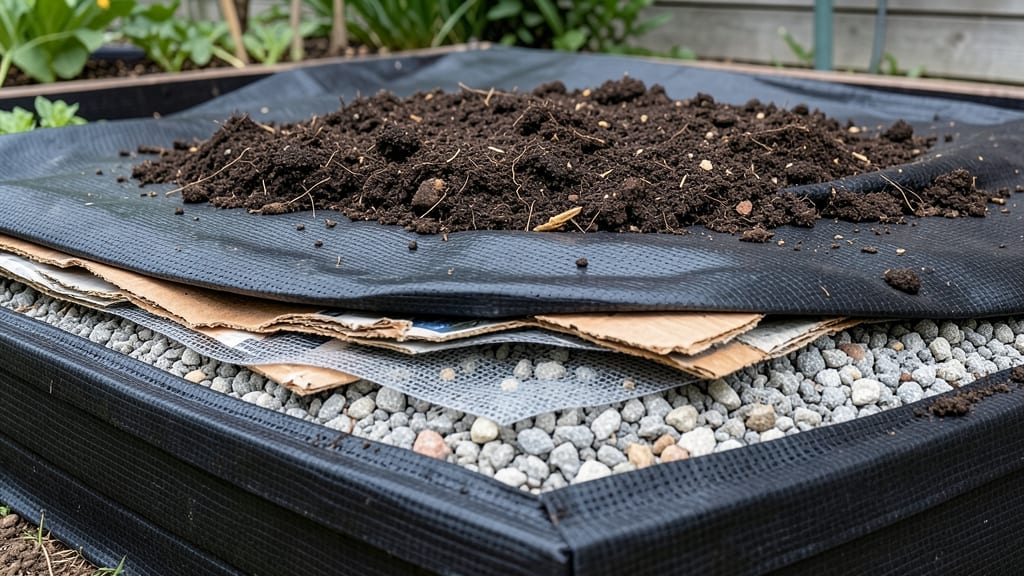
💥 Quick Answer To put on the bottom of a raised garden bed, use landscape fabric, cardboard, or untreated wood chips to boost drainage, block weeds, and encourage healthy root development while maintaining soil quality…
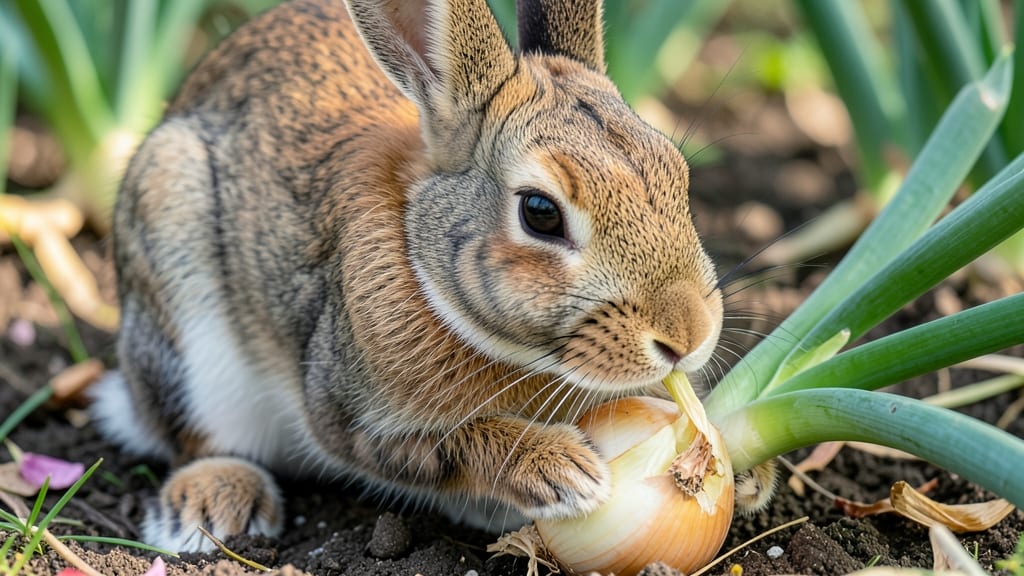
💥 Quick Answer Rabbits will eat onions in gardens, but they should never consume them due to severe toxicity risks, including anemia and organ damage. Onions contain thiosulfates, which destroy red blood cells and can…
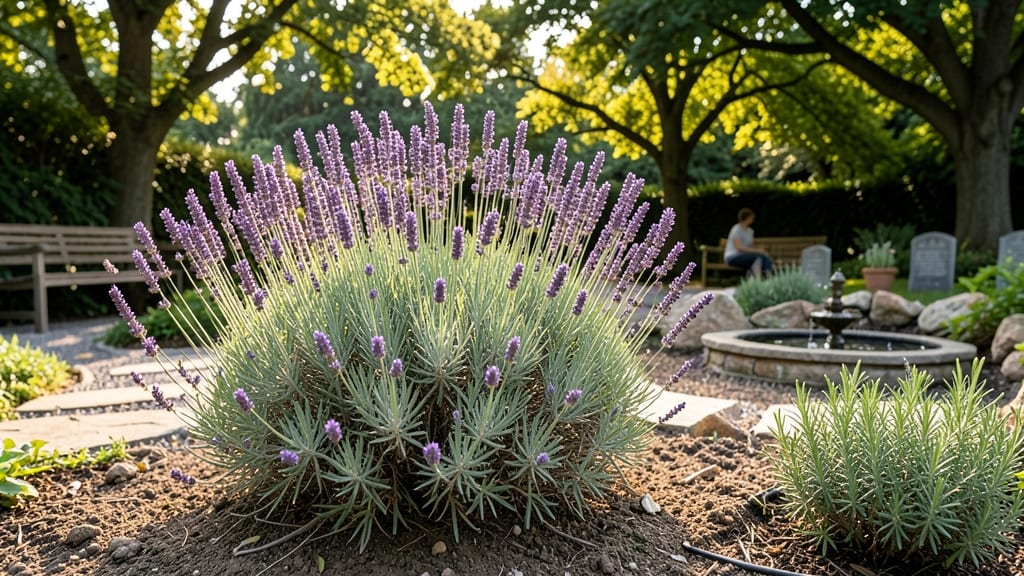
💥 Quick Answer Healing gardens near you create peaceful environments that reduce stress and enhance mental wellness through nature immersion, sensory experiences, and inclusive design for all visitors. Check local…
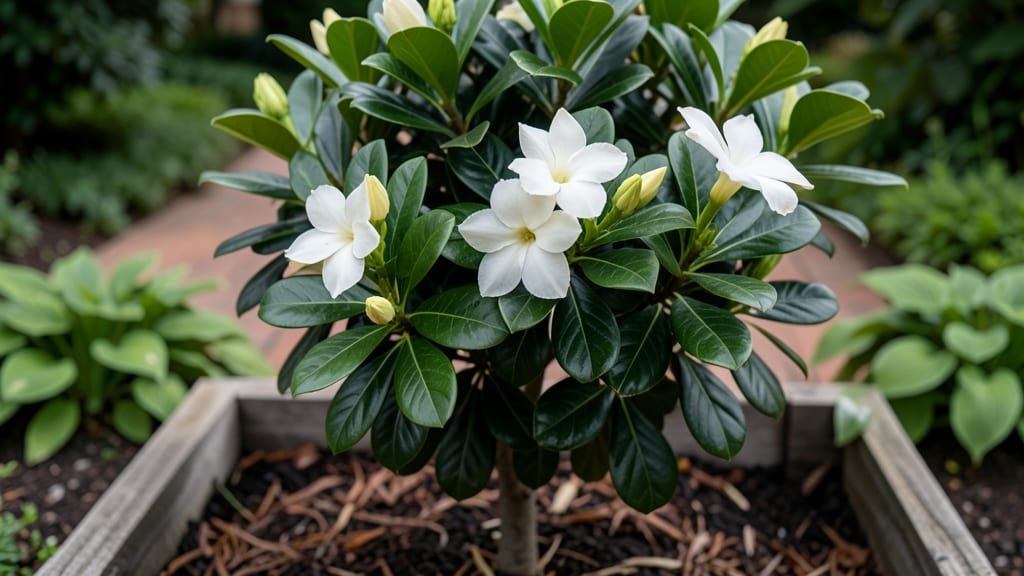
💥 Quick Answer Gardenia perennial varieties can survive Zone 7 winters with cold protection, including Gardenia jasminoides 'Kleim's Hardy' and 'Radicans' , which endure down to 10°F when properly mulched and sheltered…
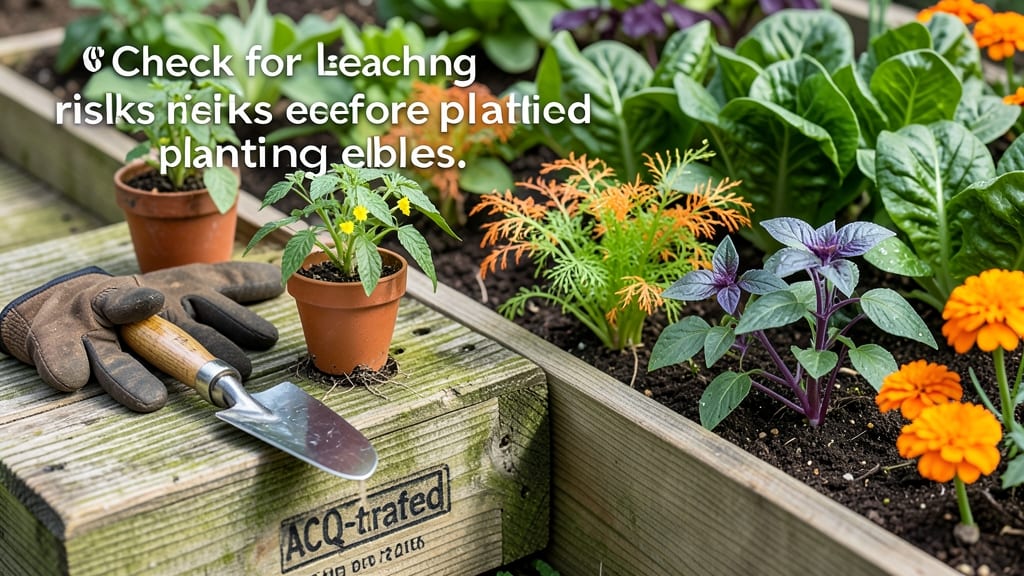
💥 Quick Answer Treated lumber is generally not safe for gardens because preservatives like chromated copper arsenate (CCA) or alkaline copper quaternary (ACQ) can leach into soil over time, poisoning plants, pets, and…
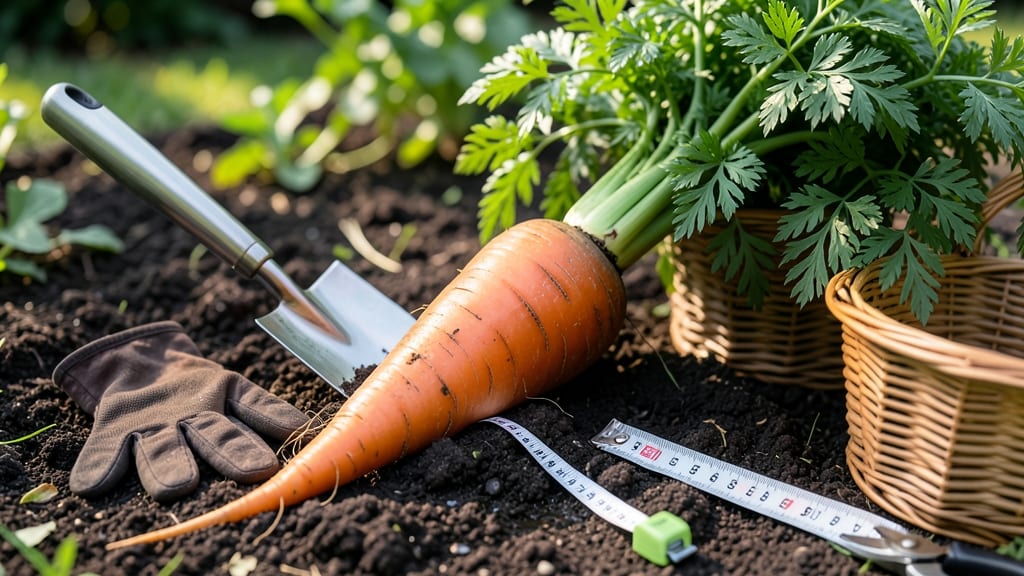
💥 Quick Answer To grow the biggest carrots in your garden, focus on loose, deep soil free of rocks, consistent moisture, and proper spacing—plant seeds 2-3 inches apart in rows 12-18 inches apart. This creates ideal…
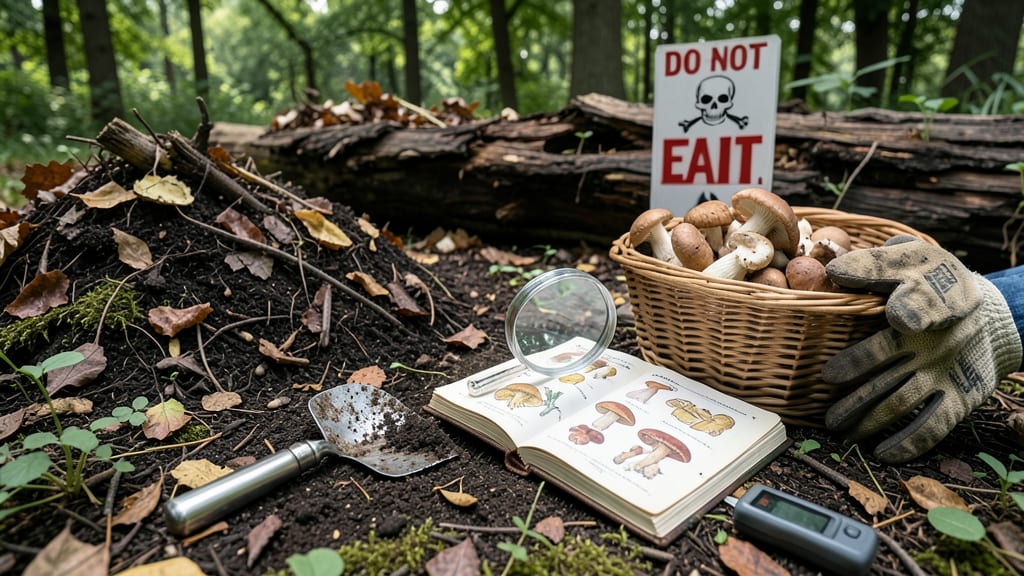
💥 Quick Answer Mushrooms in your garden aren't necessarily bad—they often indicate healthy soil rich in organic matter, but some species may signal overwatering or decay. While most are harmless, a few could compete…
💥 Quick Answer An online Master Gardener program provides university-accredited horticulture training through flexible, science-based courses covering plant health, sustainable practices, and community gardening—perfect…
💥 Quick Answer The Master Gardener Program in Maine trains volunteers to become skilled horticulture educators, requiring 40 hours of classroom instruction, a hands-on project, and a 45-hour volunteer commitment…
💥 Quick Answer Filoli Gardens in San Francisco features hidden garden treasures such as the Japanese Tea Garden , Rhododendron Dell , and Cottage Garden , which can only be discovered through alternative pathways or…