
Vegetables
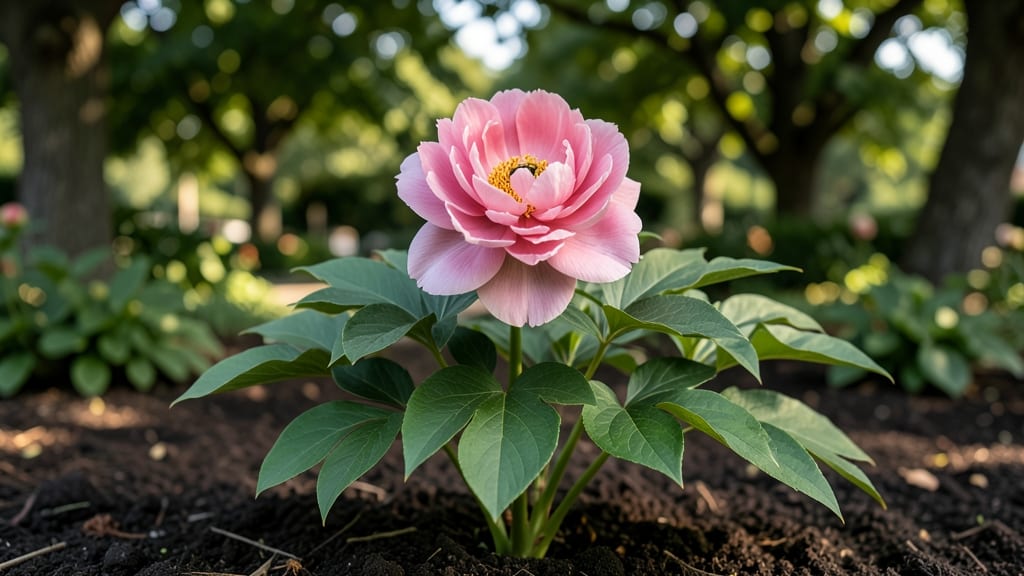
Longwood Gardens’ Dupont Woodland Garden showcases rare native plants and expertly layered foliage, creating a lush tapestry of seasonal blooms and woodland understory species that stay vibrant all year. The garden’s shaded pathways reveal ferns, hellebores, and delicate wildflowers thriving in their natural habitat.
This hidden gem uses a multi-layered planting strategy that mimics Pennsylvania’s native ecosystems, where towering canopy trees create dappled shade for shade-loving plants below.
The secret lies in selecting species that complement each other—like trilliums in spring and goldenrod in fall—while the understory’s ferns and mosses maintain moisture year-round. 🌿 What makes it special is how the garden preserves these delicate relationships without human intervention, letting nature do most of the work.
Visitors often miss the best viewing times—early mornings in spring reveal the first blooms, while late summer’s fern displays peak under soft afternoon light.
The garden’s winding trails discourage crowds, giving you space to pause and notice details like the velvety texture of hellebores or the fragrant air in early June. Pro tip: Bring a magnifying glass for up-close views of woodland orchids hidden among the leaves.
💡 In This Article
- How Dupont Woodland Garden’s Planting Design Creates Year-Round Beauty
- Best Times to Visit Dupont Woodland Garden and What to Look For
How Dupont woodland garden’s planting design creates year-round beauty
The garden’s magic starts with its three-tiered planting structure—canopy, understory, and ground cover—that mimics Pennsylvania’s natural woodlands. The towering canopy layer, dominated by species like sugar maple and tulip poplar, creates dappled shade that filters sunlight to 60-70% intensity below.
This precise light control is what allows shade-loving plants like trilliums and wild ginger to thrive where direct sun would scorch them. 🌳 The canopy’s leaf litter naturally enriches the soil with organic matter, creating a nutrient-rich layer perfect for woodland understory species.
Beneath the canopy, the understory features layered foliage textures that change dramatically with seasons. In spring, hepaticas and bloodroot bloom before the canopy fully leafs out, while summer brings fern fronds that reach up to 3 feet tall—their delicate lace-like patterns contrasting with the broader leaves above.
The garden’s horticulturists strategically place evergreen shrubs like inkberry holly to maintain visual interest during winter months when deciduous plants go dormant. This careful layering creates depth perception, making the garden feel immersive rather than flat.
What truly sets Dupont apart is its moisture retention system. The garden’s woodland soil composition—a mix of sandy loam and decomposed leaf litter—retains 30-40% more moisture than typical garden soil.
This is achieved through a combination of mulching techniques (using 3-4 inches of wood chips) and selecting plants with deep root systems that access water during dry spells. Hellebores and astilbes, for example, have roots that extend 12-18 inches deep, allowing them to survive Pennsylvania’s occasional summer droughts without irrigation.
The seasonal bloom cycles are another masterstroke. Spring features ephemeral wildflowers like Dutchman’s breeches that bloom for just 3-4 weeks before the canopy closes, while summer brings black-eyed Susans and goldenrod that attract pollinators.
Fall foliage transforms the understory with red maple leaves that turn vibrant orange, and winter reveals evergreen mosses and wintergreen plants that maintain color. This careful timing ensures there’s always something in bloom or changing color, creating a dynamic visual experience throughout the year.
One often-overlooked technique is the garden’s plant pairing strategy. Horticulturists group plants with complementary growth habits and bloom times. For instance, trilliums (which prefer 60% shade) are planted near ferns that tolerate similar moisture levels, while wild columbine climbs naturally near shade-loving shrubs that provide structural support.
This creates a self-sustaining ecosystem where each plant benefits from its neighbors—reducing the need for human intervention while maximizing biodiversity.
Visitors often ask why Dupont looks so effortlessly natural. The answer lies in minimal human intervention—the garden’s design relies on natural succession processes rather than forced cultivation.
By selecting native species that have co-evolved with Pennsylvania’s climate, the garden creates a self-regulating system where plants support each other’s growth. This approach not only reduces maintenance but also preserves the ecological relationships that make woodland ecosystems so resilient. 🌿