
Tools
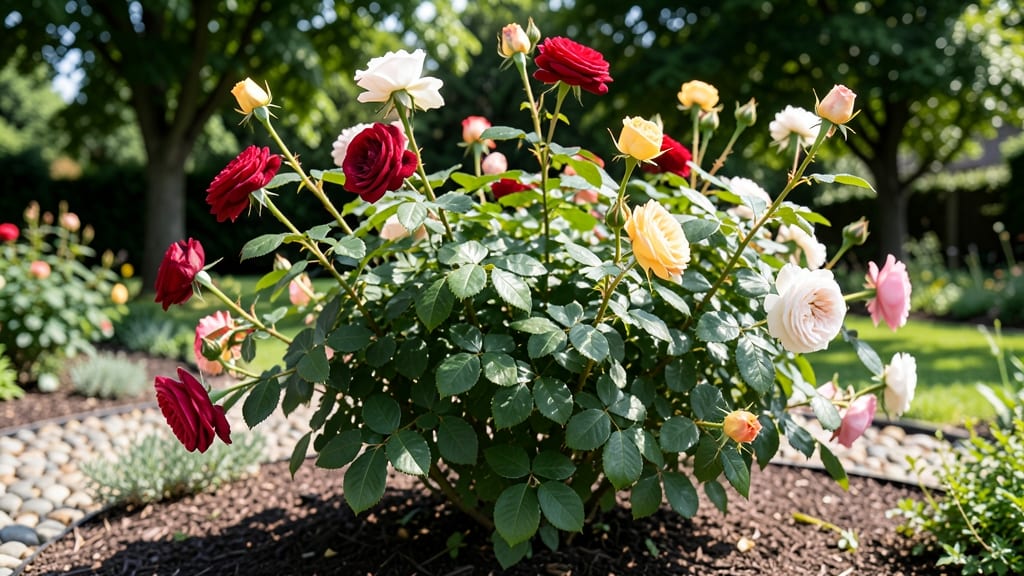
A rose garden in Seattle WA thrives when you plant bare-root roses in early spring (March–April) or fall (September–October), select cold-hardy varieties like David Austin or Knock Out roses, and amend the soil with compost to handle the region's frequent rain and cool temperatures.
Seattle's climate—cool, wet winters and mild summers—means timing and variety matter most. 🌸 The Pacific Northwest's dampness demands roses that resist fungal diseases, while early planting gives roots time to establish before winter.
I've seen Knock Out roses flourish in urban gardens because they're bred for durability, while David Austin's English roses offer old-world fragrance without needing constant care. The key is balancing local hardiness with your garden's specific conditions—whether that's full sun exposure or wind protection from the Puget Sound.
For soil prep, focus on drainage and organic matter. Seattle's clay-heavy soils benefit from compost and peat moss to loosen texture, while mulching with wood chips insulates roots in winter.
Many local nurseries, like Logan's Greenhouses, carry region-specific stock that's already adapted to our climate challenges. The payoff? Roses that bloom reliably year after year with minimal fuss.
💡 In This Article
- Best Rose Varieties for Seattle’s Climate
- Seattle-Specific Rose Garden Planning Guide
Best rose varieties for Seattle’s climate
Seattle's USDA Zone 8a-9a climate—marked by cool, damp winters and mild summers—demands roses with exceptional disease resistance and cold tolerance.
The region's high humidity (80-90% in winter) creates ideal conditions for fungal diseases like black spot and powdery mildew, so varieties with thick, waxy foliage and natural disease resistance are essential.
For example, Knock Out roses (Rosa 'Radrazz') thrive here because their compact growth and disease-resistant genes were bred specifically for urban environments with minimal care.
The David Austin English roses, like 'Gertrude Jekyll' or 'Munstead Wood', excel in Seattle due to their hardiness down to 10°F and ability to bloom repeatedly throughout the season.
These roses also produce rich, honey-like fragrances that perfume gardens from spring to fall—a sensory delight in the Pacific Northwest's often rainy climate. Another standout is the Dr. Huey rose, a no-spray, disease-resistant variety that blooms prolifically even in partial shade, making it perfect for Seattle's variable sunlight conditions.
For gardeners seeking native-adapted roses, consider Rosa rugosa ('Hansa' or 'Blanc Double de Coubert') which handles Seattle's windy coastal areas and salty air near Puget Sound. Its hip rose fruits also attract birds, creating a mini ecosystem.
The key is selecting roses with multi-season interest—whether through fragrant blooms, textured foliage, or winter hardiness—that align with Seattle's 4-5 month growing season (April-September).
Local microclimates play a crucial role too. In urban areas like Ballard or Fremont, where buildings create wind tunnels, wind-resistant varieties like 'The Fairy' (a miniature rose) perform better. Meanwhile, rural areas near Snoqualmie can support larger climbers like 'New Dawn' that thrive in cooler temperatures.
Always check a rose's chill hour requirements—Seattle's 800-1,200 chill hours annually matches most modern roses perfectly.
What most gardeners overlook is the soil pH preference of different varieties. Seattle's native soils are acidic (pH 5.0-6.5), so roses like spirea roses (e.g., 'Zéphirine Drouhin') that tolerate acidic conditions will flourish without amendment.
For neutral-loving varieties, add lime (calcium carbonate) at planting—just 1/2 cup per plant—to prevent chlorosis (yellowing leaves) that's common in our region.
Pro tip: Visit Logan's Greenhouses or Bellevue Nursery to see how roses perform in local conditions. Their Pacific Northwest-specific selections often include trial varieties that have proven successful in Seattle's climate over multiple seasons.
The right variety can mean the difference between a struggling plant and a vibrant garden centerpiece that blooms reliably year after year. 🌿