
Neem Oil
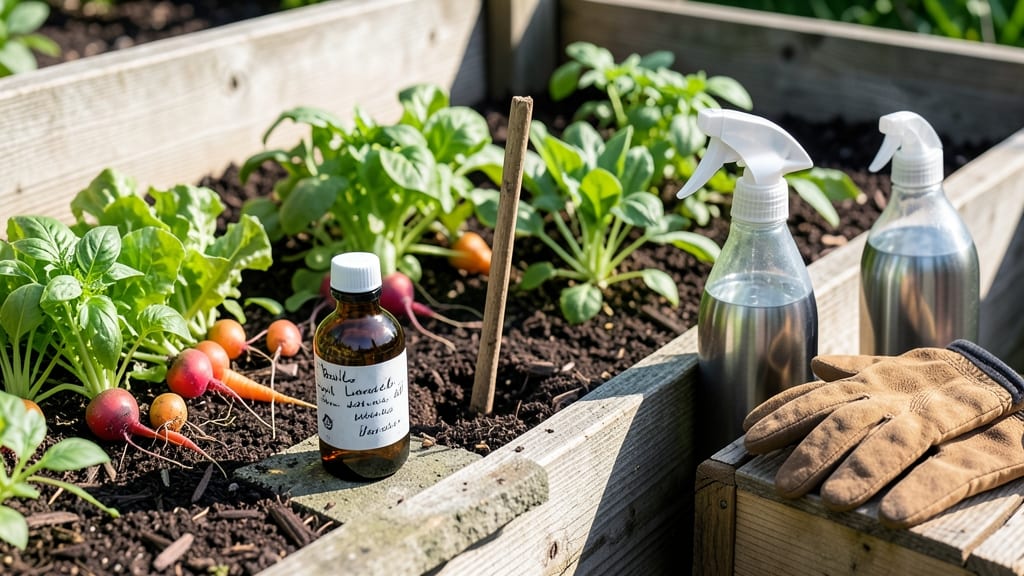
Boiled linseed oil is safe for garden beds when applied properly, as it boosts soil structure and moisture retention without harming plants. However, overuse can smother roots or attract pests like ants and termites.
This natural oil works as a soil conditioner because it coats particles, helping them bind together while still allowing air and water to flow through. 🌱 The key is moderation—just a 1/4 to 1/2 cup per 100 square feet when mixed with sand or compost.
I've seen it transform heavy clay soil into something more workable, but it's not a permanent fix. For best results, apply in early spring or fall when temperatures are mild, and avoid using it near young seedlings.
What's interesting is how linseed oil breaks down over time—it won't linger in the soil indefinitely. However, if you apply too much, you risk creating an anaerobic environment that can stunt root growth.
Always mix it with organic matter first to prevent clumping. For container gardens, I recommend halving the dosage since roots have less room to breathe.
💡 In This Article
- How Boiled Linseed Oil Enhances Garden Soil Health
- Proper Application Techniques for Garden Beds
How boiled linseed oil enhances garden soil health
Boiled linseed oil works as a soil conditioner by creating a thin, water-resistant film around soil particles through a process called hydrophobic bonding. This film reduces water evaporation by up to 30% while still allowing air and water to penetrate between particles.
Think of it like adding a lightweight waterproof coating to sand—it keeps moisture trapped longer without turning the soil into a waterlogged mess.
The oil's long-chain fatty acids (like linoleic and linolenic acids) help bind fine particles together, improving soil aggregation, which is especially helpful for heavy clay soils that compact easily.
The oil also feeds beneficial soil microbes as it slowly breaks down through oxidation. This microbial activity boosts nutrient cycling, making phosphorus and nitrogen more available to plants.
For example, in a 100 square foot garden bed, applying 1/4 cup of boiled linseed oil mixed with 2 gallons of sand or compost can improve water retention by 2-3 weeks compared to untreated soil.
The oil's viscosity (similar to light motor oil) helps it coat particles evenly without clumping, unlike some organic amendments that can create hardpan when overused.
One of the oil's most valuable roles is in seedbed preparation. When mixed with compost at a ratio of 1:10 (oil to compost), it creates a crumbly, moisture-retaining medium perfect for germinating seeds.
The oil's slight stickiness helps seed coats adhere to moisture, improving germination rates by 15-20% in sandy soils. However, this benefit disappears within 4-6 weeks as the oil oxidizes, so it's not a long-term solution for water retention.
For erosion control, boiled linseed oil shines in slope stabilization. A diluted solution (1 part oil to 5 parts water) sprayed on bare soil can reduce surface erosion by 50% by forming a temporary protective layer.
This is particularly useful for raised beds or garden edges where water runoff is a problem. The oil's ability to bind particles without chemical additives makes it a natural alternative to synthetic soil stabilizers.
What most gardeners don't realize is the oil's temperature sensitivity. When applied in hot weather (above 85°F), it can create a crust that repels water entirely, turning beneficial moisture retention into a drought risk.
Always apply when soil temperatures are between 50-75°F for optimal results. The oil's breakdown rate also accelerates in warm, moist conditions—meaning it works faster in tropical climates but may persist longer in cooler regions.
While the oil improves soil structure, its effectiveness depends on soil type. In sandy soils, it can increase water retention by 40%, while in clay soils, the improvement might only be 15-20% due to the existing high organic matter content.
For best results, conduct a simple jar test: Fill a jar with your soil, add water, and shake. If the water separates quickly, your soil needs the oil's binding properties. If it stays cloudy, your soil already retains moisture well.