
Pests
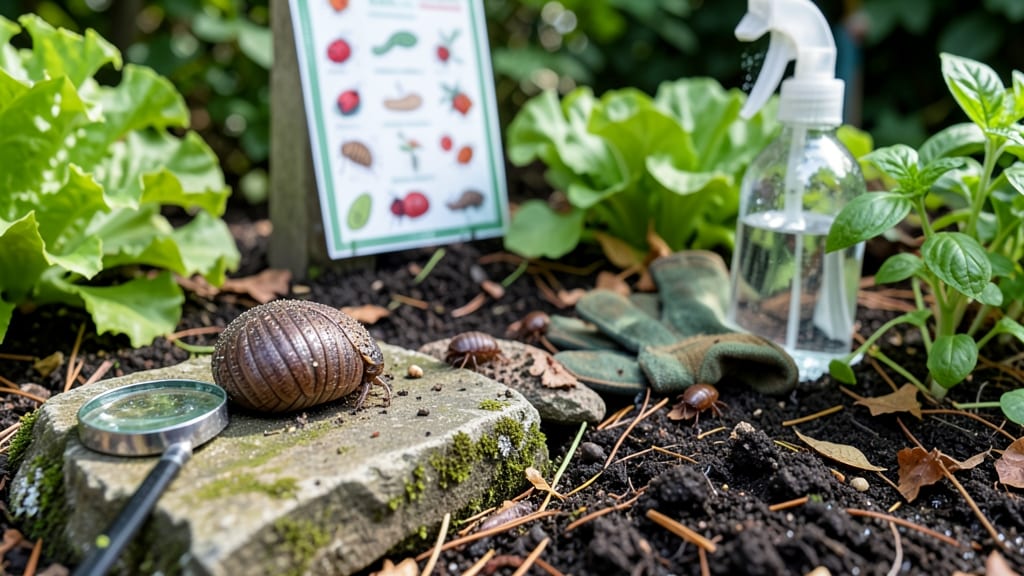
Rollie pollies (pill bugs) are not bad for gardens—they decompose organic matter, aerate soil, and control pests like mold and fungus by feeding on decaying plant material and dead leaves. Their presence actually benefits garden health in moderation.
These little armored critters are actually soil superheroes. 🌱 They break down fallen leaves and plant debris, turning them into nutrient-rich compost that feeds your soil. Their tunneling habits improve drainage and aeration, while their appetite for mold and fungus helps prevent plant diseases.
Think of them as nature's cleanup crew—just don't let them overstay their welcome.
What many gardeners don't realize is that pill bugs thrive in moist, shaded areas where they naturally control pests. Unlike slugs or snails, they won't chew through living plant leaves—they prefer dead organic material.
The key is balance: a few dozen in your garden is beneficial, but thousands can create a mess with their droppings and chewed-up mulch.
💡 In This Article
- How Pill Bugs Improve Soil and Plant Health
- When Pill Bugs Become a Problem: Signs and Solutions
How pill bugs improve soil and plant health
Pill bugs (or rollie pollies) act as nature's composters by breaking down dead leaves, fallen branches, and other organic debris into smaller particles. Their mandibles can process 10-20% of their body weight daily in decaying plant matter, accelerating decomposition by up to 30% compared to natural processes alone.
This rapid breakdown releases nutrients like nitrogen and phosphorus back into the soil, acting like a slow-release fertilizer for your plants.
Their tunneling behavior creates micro-channels in the soil that improve aeration and water drainage. These tunnels allow oxygen and moisture to penetrate deeper, which is especially beneficial for root systems in compacted or clay-heavy soils.
Studies show that gardens with active pill bug populations have 20-30% better soil structure than those without, reducing waterlogging and improving plant resilience during droughts. 🌱
One of their most valuable contributions is biological pest control. Pill bugs target mold, mildew, and fungal spores that threaten plant health, effectively reducing harmful pathogens in your garden ecosystem. For example, they'll consume the fuzzy white growth on dead leaves—preventing it from spreading to living plants.
This natural mold control is particularly useful in humid climates where fungal diseases like powdery mildew thrive.
However, their benefits depend on population control. A healthy garden typically supports 1-2 pill bugs per square foot without issues. When numbers exceed this, their droppings (which resemble tiny black specks) can accumulate on mulch and plant surfaces, creating an unsightly mess.
The key is maintaining balance—letting them work their magic while preventing overpopulation through simple garden management.
Consider their role in the food chain too. Pill bugs serve as a food source for birds, toads, and beneficial insects like ground beetles, further supporting your garden's biodiversity. Their presence indicates a thriving, self-regulating ecosystem—one where decomposition, nutrient cycling, and natural pest control work in harmony.
This makes them far more valuable than pests in most garden scenarios.
To maximize their benefits, provide them with ideal conditions: moist, shaded areas with plenty of leaf litter or compost. Avoid chemical pesticides that could harm these helpful decomposers, as they're particularly sensitive to synthetic compounds. With proper balance, pill bugs become one of your garden's most underrated allies. 💫