
Pests
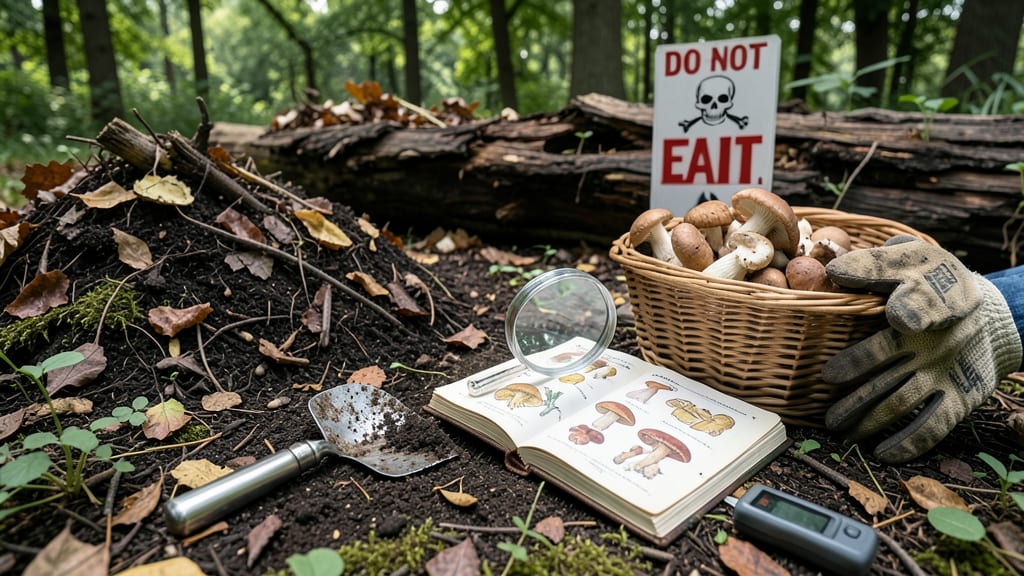
Mushrooms in your garden aren't necessarily bad—they often indicate healthy soil rich in organic matter, but some species may signal overwatering or decay. While most are harmless, a few could compete with plants or attract pests, so identifying them helps you decide whether action is needed.
Mushrooms popping up in your yard aren't always a cause for alarm—they're often nature's way of recycling nutrients. 🌱 These fungi break down organic matter, enriching the soil with valuable minerals that many plants thrive on.
However, their presence can sometimes reveal underlying issues like poor drainage or excessive moisture, which might require adjustments to your garden care routine. The key is distinguishing between beneficial species and those that could indicate problems, such as certain types that form fairy rings or signal compacted soil.
If you're concerned about their impact, start by observing the mushrooms' growth patterns and surrounding conditions. Most harmless varieties won't harm your plants, but if they appear in clusters or seem to be spreading aggressively, it might be worth investigating soil moisture levels or adjusting your watering habits.
For persistent or problematic mushrooms, removing them carefully (without disturbing the soil too much) can help maintain a balanced garden ecosystem.
💡 In This Article
- What Mushrooms in Soil Actually Mean for Garden Health
- How to Safely Remove or Manage Garden Mushrooms
What mushrooms in soil actually mean for garden health
Mushrooms in your garden are essentially the fruiting bodies of fungi, which play a crucial role in breaking down organic matter like fallen leaves, wood chips, and dead plant material.
This process, called decomposition, releases nutrients like nitrogen, phosphorus, and potassium back into the soil—making it more fertile for your plants. 🌱 For example, the common field mushroom (Agaricus bisporus) thrives in well-drained soil with plenty of decaying matter, often appearing after a rain when moisture levels are high.
Their presence suggests your soil is rich in organic material, which is great for most vegetables and flowers.
The type of mushroom can reveal specific soil conditions. Fairy ring mushrooms, which grow in circular patterns, often indicate compacted soil or poor drainage in the center of the ring.
These rings form as the fungus decomposes organic matter in a concentrated area, leaving a ring of healthy grass or plants on the outer edge.
Meanwhile, shelf fungi (like Ganoderma) growing on tree stumps or logs signal advanced decay, which can be beneficial for breaking down woody material but may not be ideal near root systems.
The moisture level is another key factor—most mushrooms require 60-80% soil moisture to grow, so their appearance often follows overwatering or poor drainage.
While many mushrooms are harmless, some species can become problematic. For instance, armillaria mushrooms (honey fungus) can spread underground and attack plant roots, causing root rot and weakening your garden's health.
These mushrooms often appear in clusters at the base of trees or shrubs and may indicate a larger issue with soil compaction or excess moisture. 🔍 The good news is that most edible or non-pathogenic mushrooms won’t harm your plants directly—they’re just a sign of nature doing its job.
However, if you notice wilting plants or stunted growth near mushroom clusters, it’s worth investigating further.
Mushrooms also contribute to the soil’s microbial diversity, which helps suppress harmful pathogens and improve plant resilience. For example, mycorrhizal fungi form symbiotic relationships with plant roots, enhancing nutrient uptake—this is why some gardeners intentionally introduce beneficial fungi to their soil.
The key is balance: while mushrooms are generally a positive sign of a thriving ecosystem, their rapid spread or certain types (like those forming fairy rings) might prompt you to adjust your watering habits or improve soil aeration.
Observing the mushrooms’ growth patterns and the health of surrounding plants can help you determine whether they’re a sign of good soil or a potential issue.
Consider this: if your mushrooms appear after heavy rain and disappear quickly, they’re likely just taking advantage of temporary moisture. However, if they persist for weeks or appear in the same spot year after year, it could signal consistently wet soil or poor drainage.
In such cases, amending your soil with compost or sand can help improve aeration and reduce moisture retention. 💫 The goal isn’t to eliminate all mushrooms but to maintain a healthy, balanced garden ecosystem where fungi and plants coexist harmoniously.