
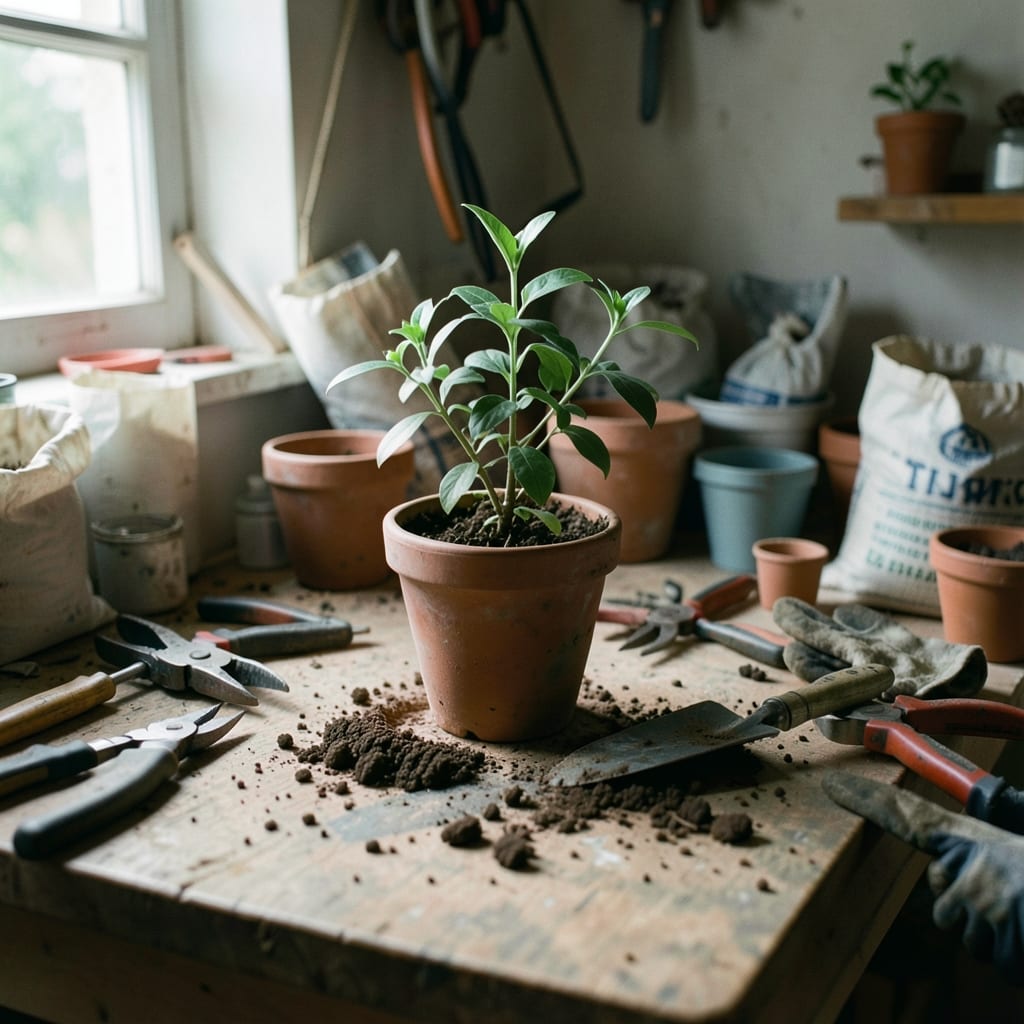
Why this site exists
You’re holding a seed packet or staring at a bare patch of soil, wondering if the instructions on the back will actually work in your yard. The spacing looks wrong. The sun chart doesn’t match your garden. The ‘easy’ plants you’ve tried keep dying before they even sprout.
This site exists to close that gap. Every plant here is grown in my zone, tested for real soil, and adjusted for the mistakes beginners make. No vague promises, no ‘ideal’ conditions—just what works when you’re learning.
Who writes this site
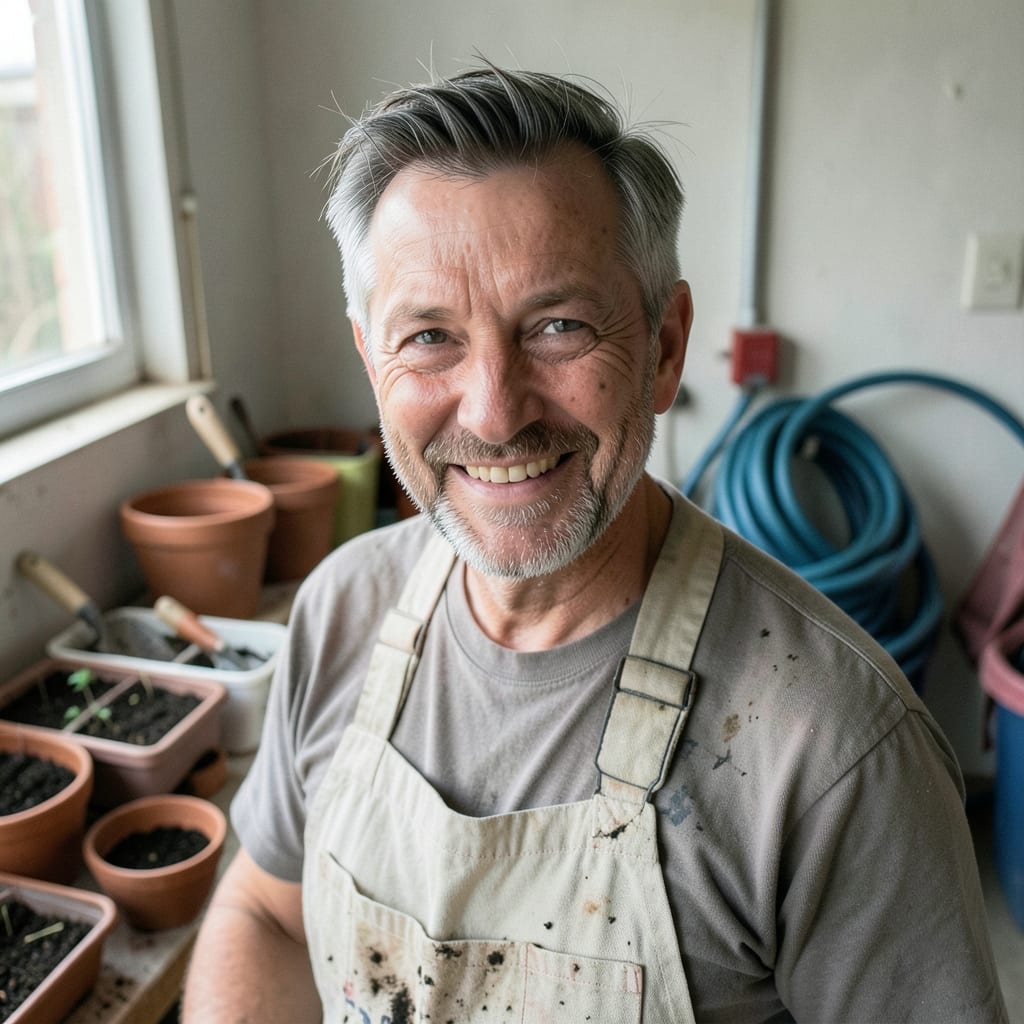
Clifford Ortega grows the plants you’ll find here.
Do you test everything yourself?
Yes. If I haven’t grown it, pruned it, or watched it bolt in my own soil, it’s not here. Even the ‘easy’ plants—like lettuce—get tested for my light, my water, and my forgetful habits.
What do you get wrong?
Mostly spacing. I’ve overcrowded basil so badly it choked itself, and once let a row of carrots go to seed because I misread the ‘harvest before’ date. The site carries those mistakes.
Why isn’t plant X here?
Either it died on me three times, or I haven’t grown it yet. No ‘should’ lists—just what’s actually in the ground right now.
The only tool I use daily is a pair of pruning shears I keep in my back pocket. If I’m not clipping something, I’m checking soil moisture with my thumb—or cursing at it for being too dry.
How a plant guide is built
It starts with a seed or a cutting I’ve wanted to try. The first time is always a guess: too much sun, not enough water, or a soil mix that turns to concrete. The second time, I adjust.
The first grow
I plant according to the packet, then wait. If the seedlings stretch toward the light or the leaves yellow, I note the mistake. No ‘perfect’ conditions—just what happens when you follow the rules and they fail.
Numbers matter here. Days to germination. Inches between plants. The exact shade of ‘green’ that means nitrogen burn. The first grow is a ledger of what didn’t work.
The fix
The second time, I change one thing: more shade cloth, less fertilizer, or a deeper pot. If it still fails, I try again. The guide only appears after the third successful grow—or after I’ve accepted that this plant won’t thrive here.
What we will not do
We won’t pretend every plant is ‘easy.’ We won’t ignore the pests that move in when you skip a row cover. And we won’t act like your garden is the same as mine—even if we’re in the same zone.
Things you will never find here
- ‘Best’ plant lists without proof (no plant is ‘best’ if it won’t grow in your soil).
- Photos of perfect gardens (only the real, sometimes messy, results).
- Advice that assumes you have a greenhouse or a compost heap (just what works with basic tools).
- Recipes for garden-to-table dishes (this site stops at the soil).
Where to start
Begin with the ‘New to Gardening?’ section if you’re just digging in. Use the ‘Plant Guides’ for what to grow and when. If you can’t find what you need, check the ‘Failed Experiments’—it might be there with a warning.
Say hello
I like hearing about the plants that surprise you—or the ones that refuse to grow no matter what you try. The contact page is where to send them.
The guides are grouped by category: Advice, Aphids, Blooming, Companion Plants, Container Gardens and How To.