
Planting
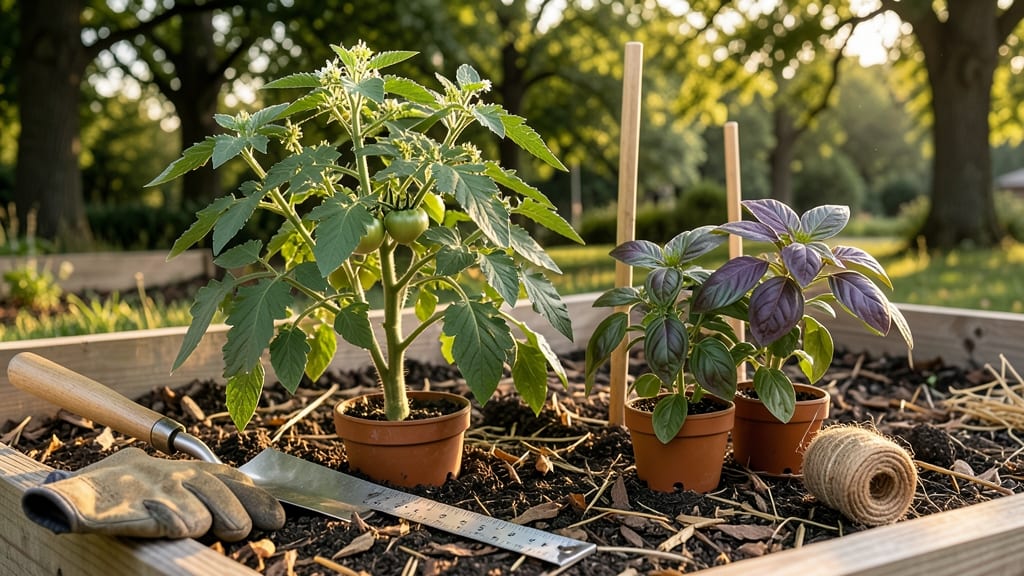
Garden plant spacing determines healthy growth and high yields by reducing competition for nutrients, improving air circulation, and maximizing sunlight exposure to each plant. Follow species-specific guidelines—typically 12-36 inches for vegetables, 3-6 feet for shrubs, and 6-12 feet for trees—while planning for mature plant size and garden design.
Getting the spacing right isn't just about fitting more plants in—it's about creating an environment where each plant can thrive. 🌱 Too little space leads to stunted growth, disease spread from poor airflow, and competition for water and nutrients, while too much space wastes garden real estate.
I've found that checking a plant's mature size (often listed on seed packets) and adjusting for your specific climate helps avoid common mistakes. For example, tomato plants need 18-24 inches of space, but if you're growing heirloom varieties that sprawl, you might want to give them an extra foot.
Another key factor is how you arrange your plants. Square-foot gardening uses a grid system where each square foot accommodates specific plant counts, but even this method requires adjusting for plant types.
Leafy greens like lettuce can handle closer spacing (6-12 inches), while root vegetables need more room (3-6 inches) to develop properly. The goal is to balance density with airflow—especially important for plants prone to fungal diseases like powdery mildew.
💡 In This Article
- How Plant Spacing Affects Growth and Disease Prevention
- Plant-Specific Spacing Charts for Common Garden Vegetables
How plant spacing affects growth and disease prevention
Root competition is where the battle for resources begins. When plants are crowded, their roots tangle in a desperate scramble for water and nutrients in the soil. This competition forces roots to grow in smaller volumes, limiting nutrient uptake and stunting growth.
For example, tomato plants with 12-inch spacing often produce smaller fruits because their roots can't access enough phosphorus and nitrogen from the soil. The science behind this involves mycorrhizal fungi—beneficial soil organisms that help roots absorb nutrients—getting overloaded when too many plants share the same space.
Airflow is equally critical, especially for plants prone to fungal diseases like powdery mildew or blight.
Proper spacing creates a microclimate where air circulates freely, reducing humidity around leaves and preventing spores from settling. 🌿 Consider basil plants: when spaced 12-18 inches apart, they develop strong stems and glossy leaves, but when crowded, they become leggy and susceptible to downy mildew.
The ideal spacing allows sunlight to reach lower leaves, which helps maintain their natural defenses. Studies show that plants with good airflow can reduce fungal infections by up to 40% compared to overcrowded conditions.
Sunlight penetration is another game-changer. Plants in the middle of a dense cluster often become shade-tolerant but produce less energy through photosynthesis. Leafy greens like spinach need 6-12 inches of space to maximize sunlight exposure to all parts of the plant.
When you see plants stretching toward light (a process called etiolation), it's a clear sign they're not getting enough energy. This isn't just about yield—it's about flavor too. Tomatoes grown with proper spacing develop sweeter, more flavorful fruit because they can photosynthesize efficiently.
Overcrowding also invites pests by creating hiding spots and reducing natural predators. Aphids, for instance, thrive in dense foliage where they're protected from ladybugs and lacewings. Even beneficial insects like bees struggle to navigate crowded plants, reducing pollination rates.
The solution? Strategic spacing that mimics natural ecosystems, where plants have room to grow without smothering each other. For instance, marigolds planted 12 inches apart not only deter pests but also improve airflow around nearby vegetables.
Soil nutrient distribution becomes uneven when plants are too close. Roots compete for the same pockets of organic matter, leading to nutrient depletion in high-traffic areas. This is why drip irrigation systems work better with proper spacing—they can deliver water and nutrients directly to each plant's root zone without waste.
For example, peppers need 18-24 inches of space to develop strong root systems that can access nutrients deeper in the soil, preventing deficiencies that lead to poor fruit production.
What most gardeners don't realize is that spacing affects even the soil's physical structure. Compacted soil from crowded roots reduces oxygen availability, which is crucial for root respiration. Healthy roots need oxygen to grow and absorb nutrients efficiently.
This is why loose, well-aerated soil is essential—especially for plants like carrots, which need 3-4 inches of space to grow straight and avoid deformities from root competition.