I remember the first tomato I grew from seed—it was tiny, red, and tasted like sunshine on a summer afternoon. That moment hooked me for life. Now, I spend my days digging into soil, chasing the perfect bloom, and sharing the little joys of gardening that make it all worthwhile. This site is where I pass along the lessons I’ve learned, the plants that thrive in my zone, and the quiet magic of watching something grow from nothing.
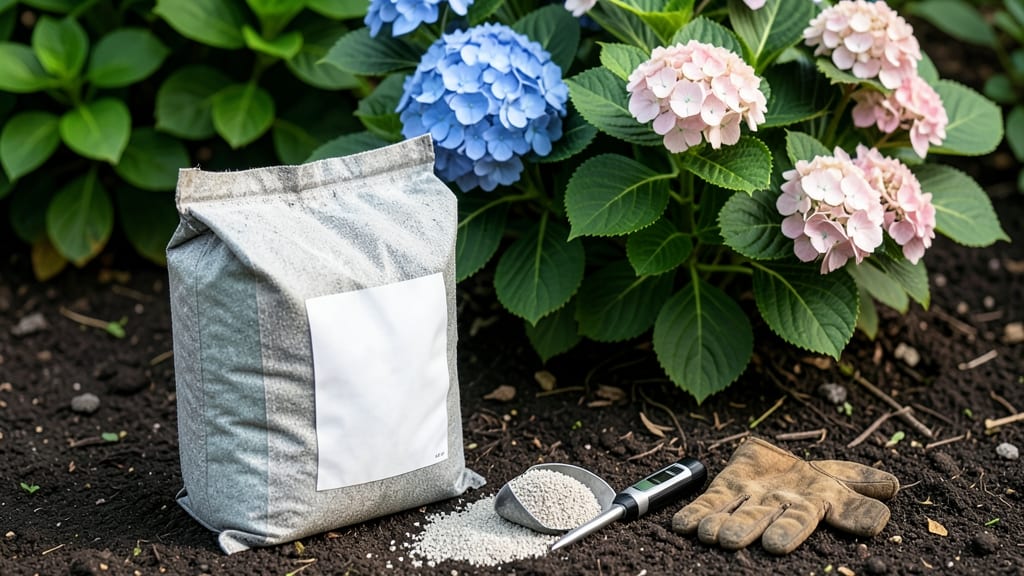
💥 Quick Answer Garden lime for hydrangeas raises soil pH quickly, turning blue blooms pink by neutralizing acidic soil, while also providing essential calcium and magnesium for root health. Apply sparingly—too much can…
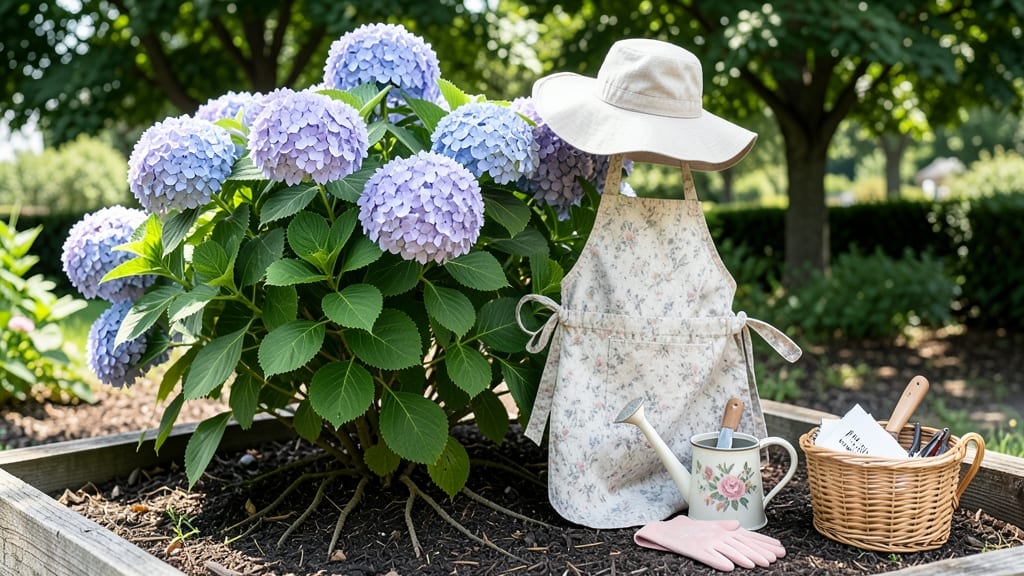
💥 Quick Answer Feminine gardening clothes blend practicality with polished aesthetics, featuring UPF-rated fabrics, breathable layers, and ergonomic designs like stretch panels to keep you comfortable while working…
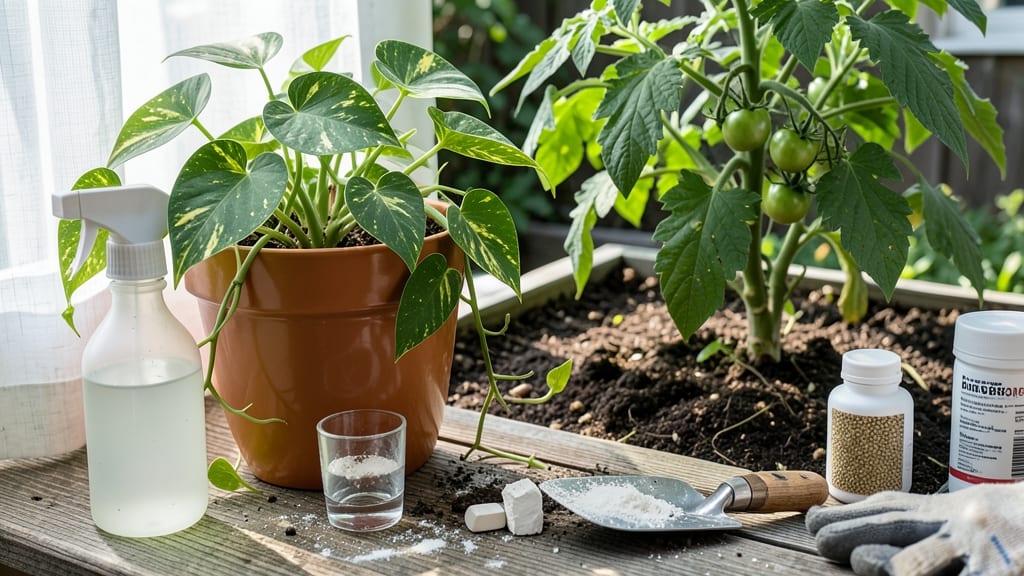
💥 Quick Answer Using aspirin for garden health means creating a foliar spray by dissolving crushed tablets in water, which strengthens plant defenses against pests like aphids and spider mites while preventing fungal…
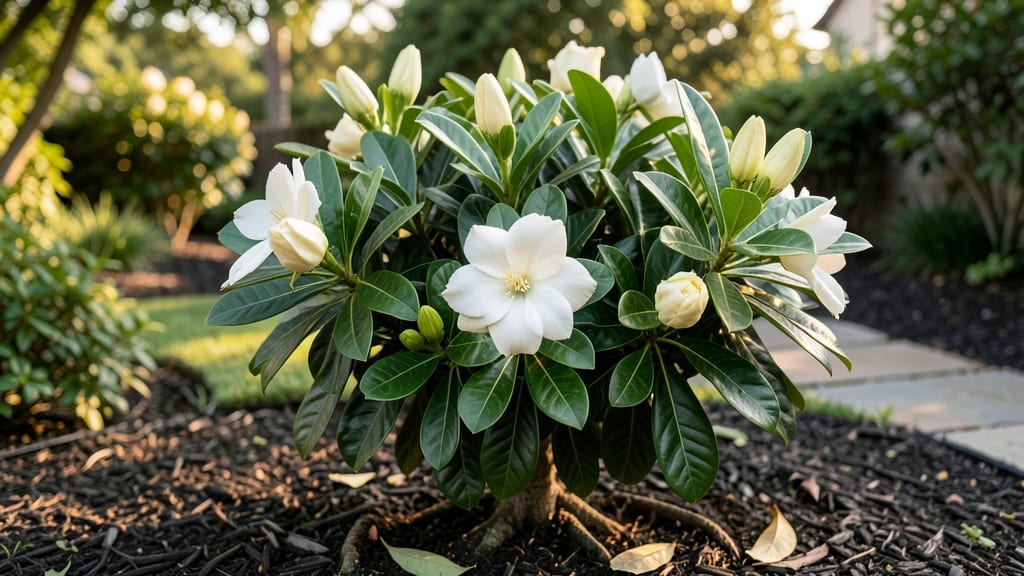
💥 Quick Answer Understanding gardenia growth rate reveals these plants develop gradually, typically maturing in 2 to 5 years while blooming begins 1 to 3 years after planting . Their slow yet steady 6 to 12 inches per…
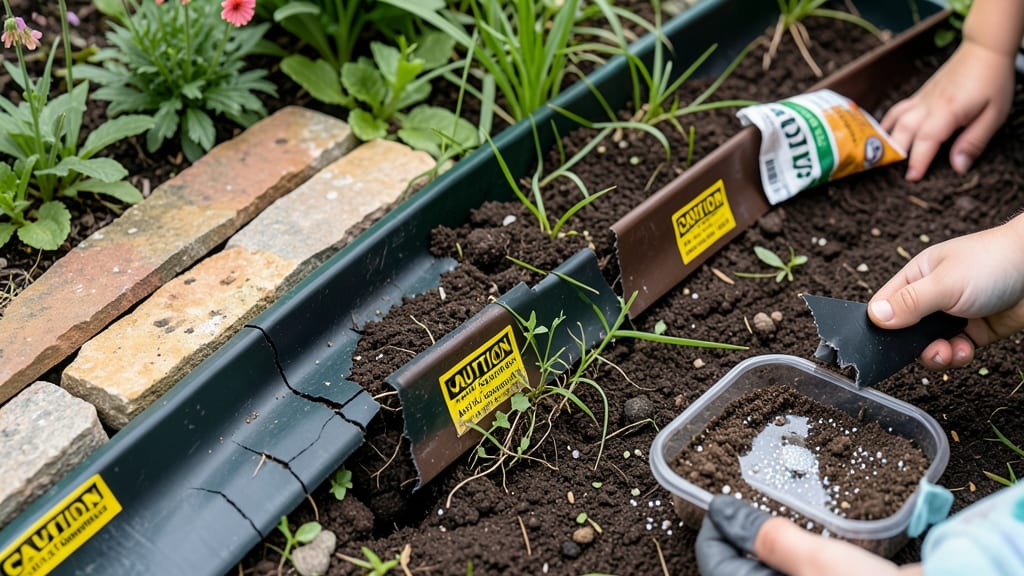
💥 Quick Answer Plastic edging gardening dangers include soil compaction, restricted root growth, and chemical leaching that may harm plants over time. It also traps moisture, promoting fungal diseases and limiting…
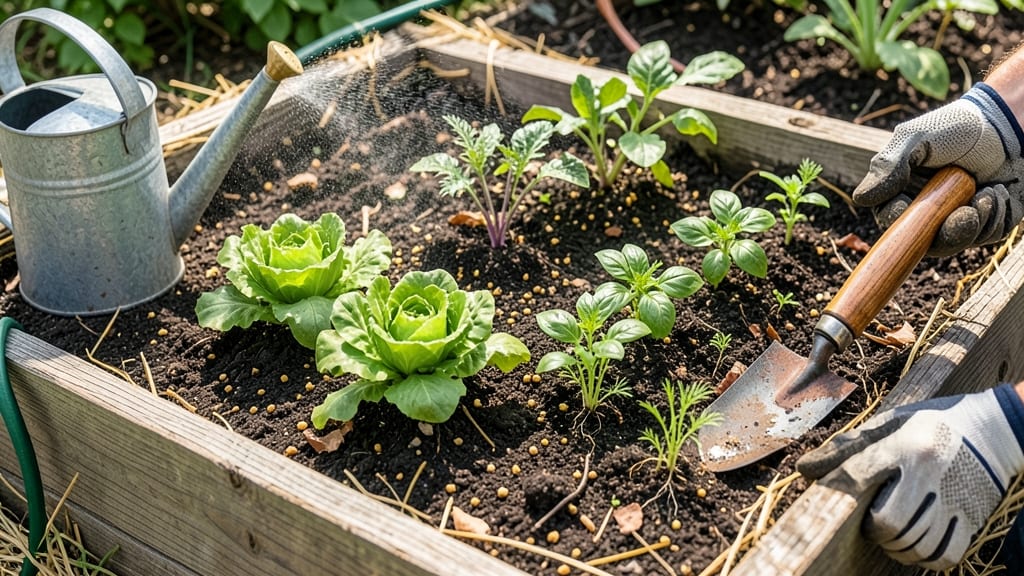
💥 Quick Answer The best soil for a vegetable garden raised bed combines equal parts topsoil, compost, and coarse sand or perlite for optimal drainage and nutrient retention, with a 60-70% loam base and 30-40% organic…
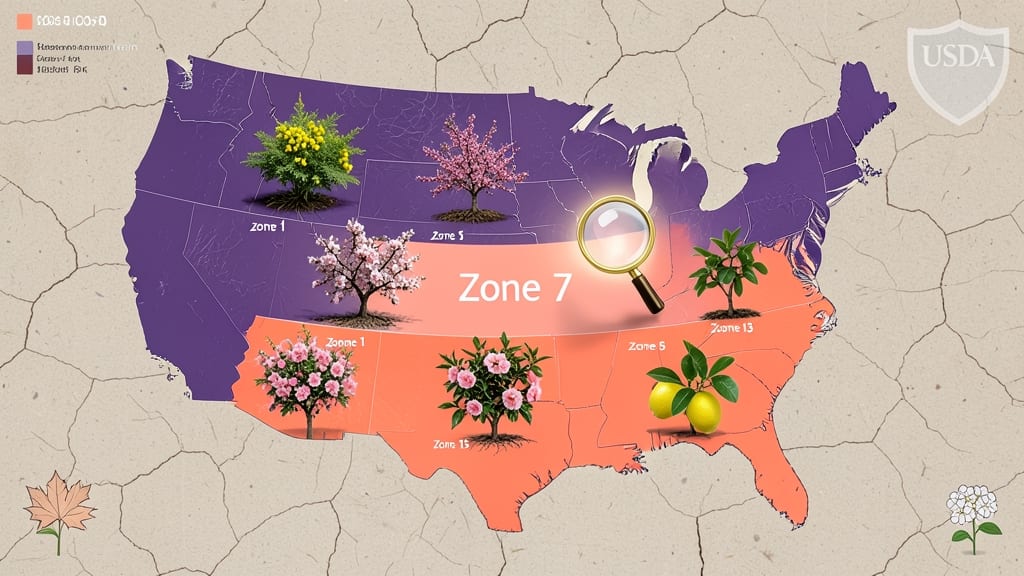
💥 Quick Answer US gardening zones help you identify your local climate conditions so you can choose plants that survive your area’s frost dates, heat tolerance, and seasonal changes. The USDA Plant Hardiness Zone Map…
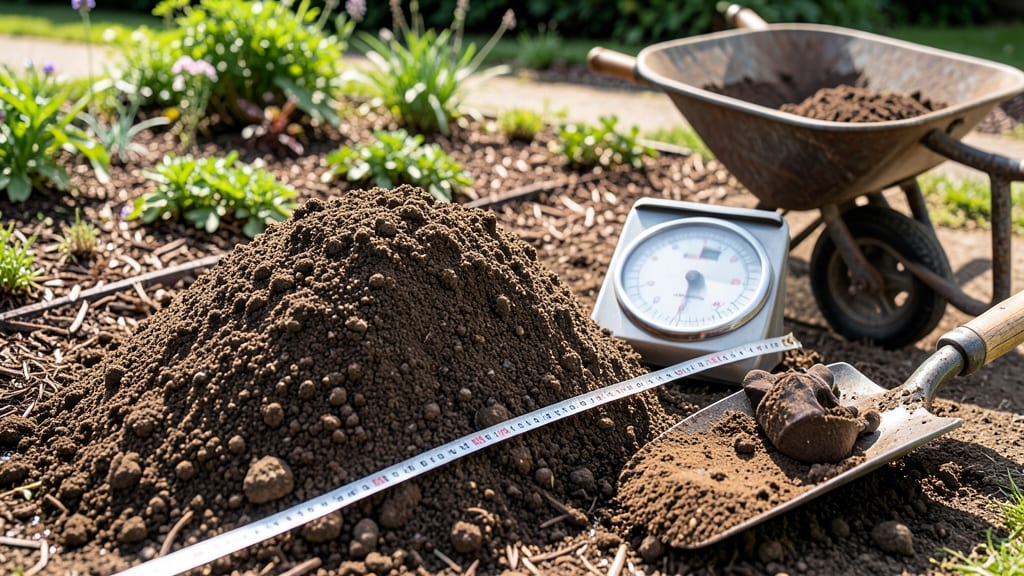
💥 Quick Answer A yard of garden soil weighs 2,000 to 2,700 pounds on average, with variations based on moisture levels, organic content, and how tightly it's packed. Loose topsoil usually lands around 2,200 pounds…
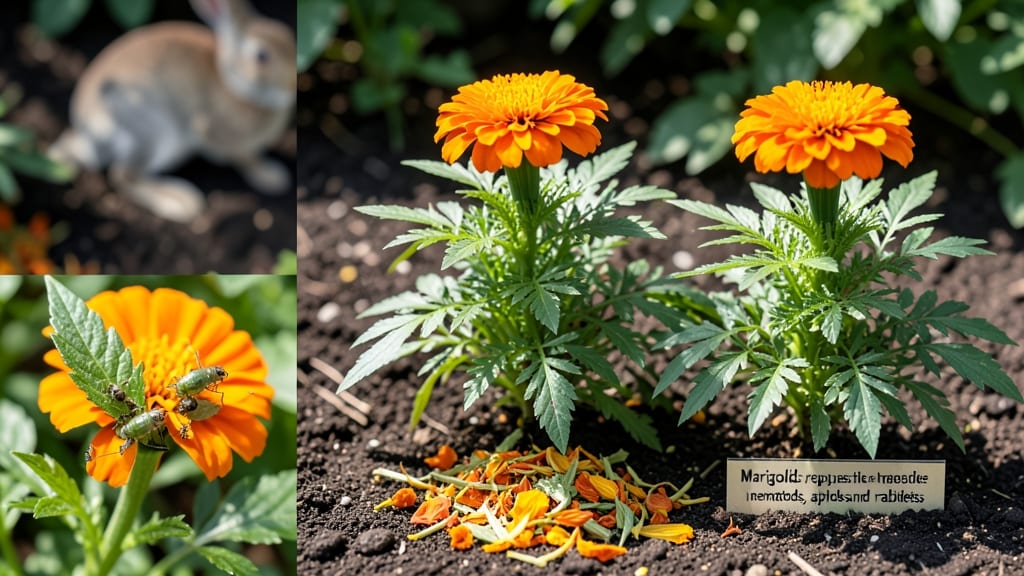
💥 Quick Answer Creating natural garden repellents lets you protect your plants from deer, rabbits, and insects using safe, kitchen-based ingredients like garlic, chili peppers, and citrus peels. These homemade solutions…
💥 Quick Answer Participating in AHS reciprocal gardens lets you access free seeds, cuttings, or plants through community exchanges that preserve rare varieties and promote sustainable gardening without commercial…