
Container Gardens
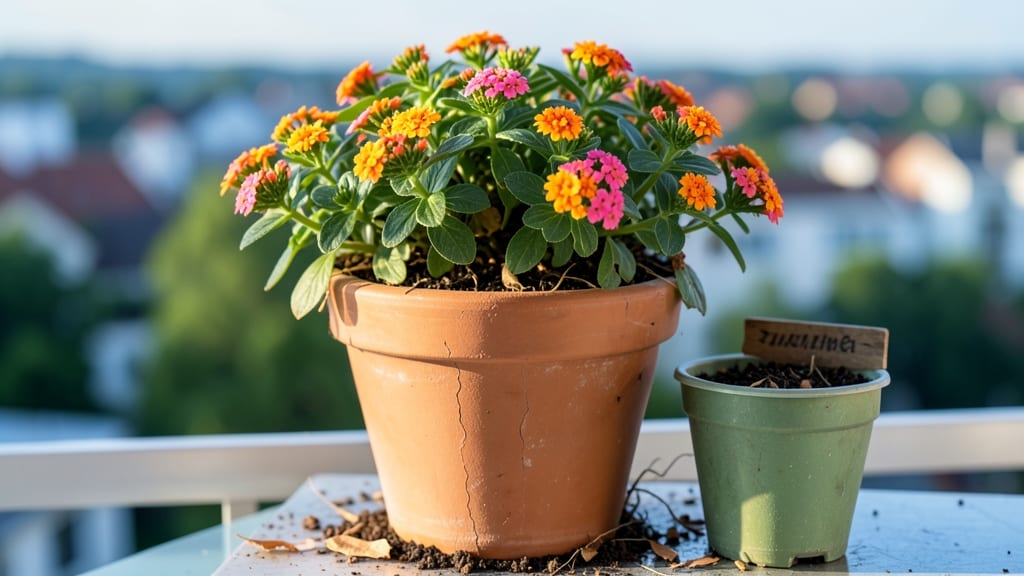
30-litre garden pots are perfect for growing medium-sized plants like dwarf citrus trees, small fruit bushes, or flowering shrubs, while also accommodating herbs and vegetables with moderate growth. These containers offer enough root space for healthy development when paired with proper drainage and soil depth.
These 30-litre containers strike the ideal balance between portability and growth potential, making them perfect for urban balconies or small patios. 🌱 The key is understanding that most plants need at least 15-20 litres of soil volume to thrive, and a 30-litre pot provides that plus extra room for root expansion.
I've found that plants like rosemary, thyme, or small peppers flourish in these pots, while dwarf Meyer lemons can produce fruit for years with proper care. The real secret lies in choosing plants whose mature root balls won't outgrow the container within 2-3 years.
For best results, always use pots with drainage holes and fill them with a well-draining potting mix. This prevents root rot while ensuring nutrients stay accessible. I recommend adding a layer of gravel at the bottom to improve drainage further.
The depth-to-diameter ratio matters too—taller pots work better for root crops like carrots, while wider pots suit bushier plants like tomatoes or basil.
💡 In This Article
- Root Space Requirements for 30-Litre Garden Pots
- Best Plants for 30-Litre Garden Containers
Root space requirements for 30-Litre garden pots
The science behind root growth in containers reveals why a 30-litre pot is such a versatile size. Plant roots need space to explore for nutrients and water, but they also require oxygen—a critical factor often overlooked.
In a 30-litre container, you're providing about 30,000 cubic centimeters of growing medium, which translates to roughly 20-25 litres of usable soil volume after accounting for drainage layers.
This space allows roots to develop a dense network while preventing the soil from drying out too quickly, which is especially important for plants with moderate water needs like rosemary or dwarf citrus.
The ideal depth-to-diameter ratio for most plants in these containers is 1:1 to 2:1. For example, a 30-litre pot with a 30cm diameter should be at least 30-60cm deep to accommodate root systems properly.
Deeper pots (like 50cm+) work better for root crops such as carrots or parsnips, where vertical growth is essential. Shallower pots (around 20-30cm deep) suit bushier plants like basil or thyme, where lateral root spread matters more.
The key is matching the pot's dimensions to the plant's mature root system—something I've learned through trial and error with my own container garden!
Drainage is where many gardeners make mistakes. Without proper drainage holes, water pools at the bottom, creating anaerobic conditions that suffocate roots. A 30-litre pot should have at least 4-6 drainage holes spaced evenly around the base to prevent waterlogging.
I recommend adding a 5cm layer of gravel or broken pottery at the bottom before filling with potting mix. This layer improves aeration while allowing excess water to escape quickly.
The soil itself should be a well-draining mix—typically 60% potting soil, 20% perlite, and 20% compost
Nutrient absorption is another critical factor. In containers, plants rely entirely on the soil within that limited volume, so nutrients deplete faster than in ground gardens. A 30-litre pot will need regular feeding—about every 4-6 weeks during the growing season—with a balanced liquid fertilizer (like 10-10-10 NPK). Slow-release granules can supplement this, but they won't replace the need for occasional top-ups. Over time, roots will naturally prune themselves to fit the container, but this doesn't mean they stop growing—it just means they become more efficient at utilizing the available space. Consider this: a dwarf Meyer lemon tree might have a mature root ball of 20-25 litres, leaving room for growth in a 30-litre pot. However, if you plant it in a 20-litre pot, the roots will quickly become root-bound, stunting growth and reducing fruit production. The extra 10 litres in a 30-litre container makes a surprising difference in plant health and productivity. 🌿 This is why I always recommend choosing pots that are slightly larger than the plant's current root system—it gives roots room to breathe and grow without immediate stress. Seasonal considerations also play a role. In summer, plants in 30-litre pots may need daily watering, while in winter, the same pot might only require watering once a week. The soil's moisture retention changes with temperature and humidity, so flexibility is key. Mulching the surface with 2-3cm of organic material (like straw or shredded bark) helps retain moisture and regulate soil temperature, which is especially beneficial in hot climates where containers dry out quickly. What most people don't realize is that the pot's material affects root health too. Terracotta pots wick away moisture, which can be great for drought-tolerant plants but requires more frequent watering. Plastic pots retain moisture longer, making them ideal for succulents or plants that prefer consistent dampness. The choice of pot material should align with the plant's native growing conditions. For example, Mediterranean herbs like rosemary thrive in terracotta, while tropical plants like ferns prefer the moisture-retentive environment of plastic.