
Vegetables
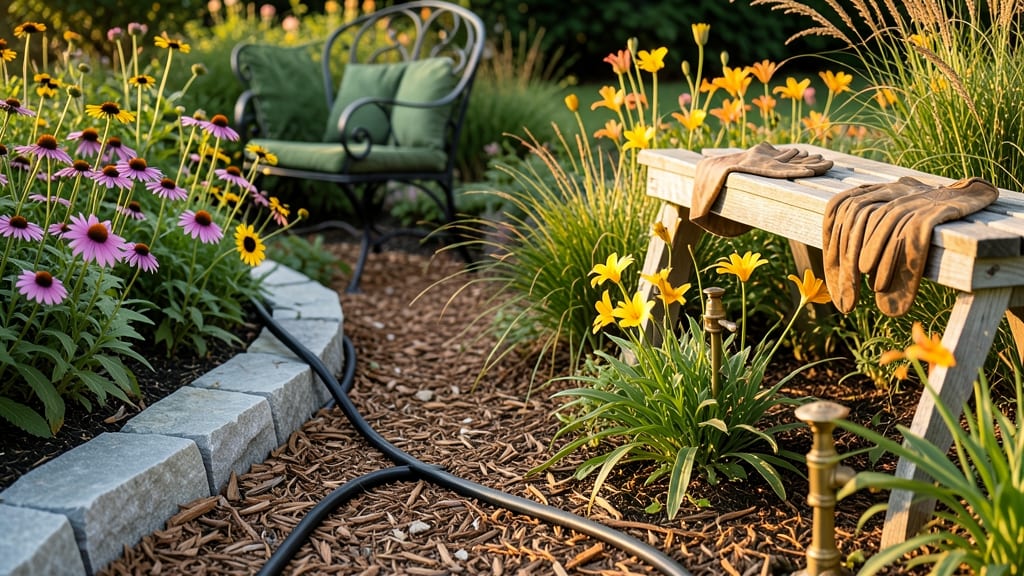
Creating a big garden in Omaha means working with Zone 5b's growing season, planting cool-season crops like kale and lettuce in early spring (March–April) and warm-season plants (tomatoes, peppers) after the last frost (mid-May). Extend your harvest by sowing heat-resistant varieties in July for fall yields.
Omaha's short growing season demands smart planning to maximize your big garden's potential. 🌱 The key is understanding your last frost date—typically around May 10-15—and adjusting planting schedules accordingly. Urban areas may experience slightly warmer microclimates than rural zones, so monitor local weather patterns closely.
For fall crops, heat-tolerant varieties like Swiss chard or collard greens planted in July can thrive through Omaha's cooler autumn months, giving you fresh produce well into October.
Start by dividing your garden into sections based on crop families to prevent soil depletion. For example, plant nitrogen-fixing peas in early spring followed by heavy feeders like corn in summer.
This rotation keeps your soil healthy and boosts yields year after year. 💫 Many Omaha gardeners also use raised beds to extend seasons and improve drainage, which is especially helpful in our clay-heavy soil.
💡 In This Article
- Omaha’s Zone 5b Planting Calendar Breakdown
- High-Yield Crop Rotation Strategies for Omaha Gardens
Omaha’s Zone 5b planting calendar breakdown
Omaha’s Zone 5b classification means your garden operates on a 150- to 180-day growing season, where timing is everything.
The last spring frost typically arrives between May 10-15, but this can shift by ±5 days depending on whether you're in urban Omaha (warmer microclimates) or rural areas (cooler, windier conditions).
Soil temperature thresholds are critical—most warm-season crops like tomatoes and peppers need soil to reach 60-65°F consistently before planting, which usually aligns with late May.
Cool-season crops like spinach and peas can handle Omaha’s early spring chill, but they must be sown when soil temperatures stay above 40°F—around March 15-April 1. The risk of late frosts lingers until mid-May, so always have row covers ready.
Heat waves in summer (common in Omaha’s July-August) can stress warm-season plants, so mulching with 2-3 inches of straw helps retain moisture and regulate soil temperature. 🌡️
Fall planting requires heat-tolerant varieties like Swiss chard or collard greens, which can handle Omaha’s July soil temperatures (often 75-80°F) and still produce through autumn’s cooling. Plant these in early July for harvests extending into October, when daytime temps drop to 60°F or lower.
The key is selecting varieties bred for short-day conditions, as Omaha’s decreasing daylight triggers earlier maturity in fall crops.
Urban vs. rural microclimates create noticeable differences. Urban Omaha’s concrete and buildings trap heat, potentially extending the growing season by 1-2 weeks compared to rural areas. Rural gardens may experience 5-10°F colder nighttime temps, requiring earlier frost protection.
Always check local weather stations—Omaha’s National Weather Service provides frost date forecasts that can save your early plantings.
Consider Omaha’s humidity levels (60-70% in summer) when planning. High humidity accelerates fungal diseases in crops like tomatoes, so spacing plants 18-24 inches apart improves airflow.
For big gardens, this means planning rows with 3-4 feet between plant families to prevent cross-contamination. 🌿 The right spacing also maximizes sunlight exposure, critical for Omaha’s 14-16 hours of daylight in June—the peak of our growing season.
For warm-season crops, transplanting seedlings after the last frost often yields better results than direct sowing. Seedlings have a 2-3 week head start in warmer conditions, giving them the energy to establish roots before Omaha’s summer heat intensifies.
Start tomato and pepper seedlings indoors by March 1 for transplanting in late May, ensuring they’re 6-8 inches tall with strong stems.