
How To
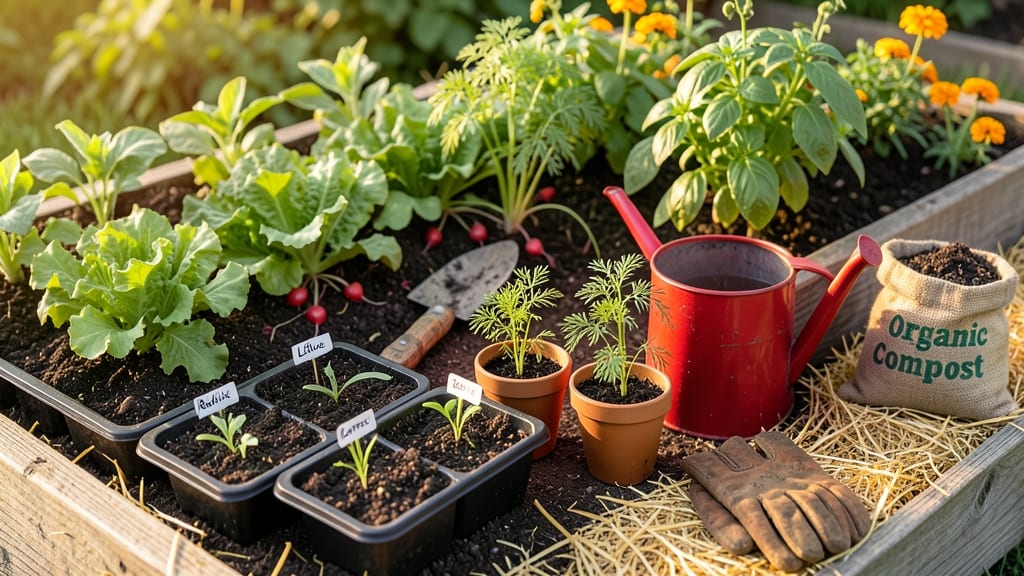
To grow a garden successfully, plan your seasonal planting zones, maintain proper spacing between plants, and follow a timeline that accounts for frost dates and sun exposure. Begin with beginner-friendly crops like lettuce or radishes before moving to more complex vegetables and herbs.
Starting a garden is all about timing and organization. 🌱 The first step is understanding your USDA hardiness zone, which determines your frost dates and ideal planting windows.
For example, cool-season crops like spinach or peas thrive in early spring or fall, while warm-season vegetables like tomatoes and peppers need to be planted only after the last frost.
I always recommend testing your soil in early spring to check pH levels and nutrient content—this can make or break your garden's success. Beginner gardeners often overlook soil prep, but taking the time to amend it with compost or fertilizer pays off in healthier plants and better yields.
Once you've got your timeline set, proper spacing becomes key. Crowded plants compete for sunlight, water, and nutrients, leading to weaker growth and lower harvests. 🌿 For instance, tomatoes need about 18-24 inches of space between plants, while herbs like basil can thrive in just 6-12 inches.
Companion planting—pairing plants that benefit each other, like basil with tomatoes—can also improve your garden's productivity. I've found that creating a simple planting map before sowing seeds helps visualize the layout and prevents overcrowding.
💡 In This Article
- Seasonal Garden Timeline for Beginners
- Proper Plant Spacing Rules for Healthy Growth
Seasonal garden timeline for beginners
Your garden's success hinges on understanding seasonal rhythms, starting with your USDA hardiness zone which dictates your last spring frost and first fall frost dates. For example, in Zone 5, you'll have about 140-160 frost-free days, while Zone 9 enjoys 240-270 days.
These dates determine when to plant cool-season crops (like kale or carrots) 4-6 weeks before last frost and warm-season crops (like cucumbers or beans) 2-3 weeks after last frost. 🌱
The soil preparation timeline is equally critical. In early spring, focus on testing soil pH (ideal range: 6.0-7.0) and adding 2-4 inches of compost 4-6 weeks before planting.
For summer gardens, mulch heavily after planting to retain moisture, as summer temperatures can cause soil to dry out 30-50% faster than spring. Fall planting requires a different approach—cool-season crops like spinach can be sown 6-8 weeks before first frost to mature before winter sets in.
What most beginners overlook is how light availability changes by season. Spring and fall offer 12-14 hours of daylight, perfect for leafy greens, while summer's 14-16 hours supports heavy feeders like tomatoes.
I've seen gardeners in Zone 7 extend their season by using row covers in early spring or cold frames in fall, adding 2-4 extra weeks of growing time.
The key is matching plant maturity times with your season's length—planting tomatoes with 70-day varieties in Zone 5 works, but 90-day varieties need Zone 7 or warmer.
Seasonal transitions require special attention. When shifting from spring to summer crops, remove old plants and add 1-2 inches of compost to replenish nutrients. For fall gardens, succession planting—sowing radishes or lettuce every 2-3 weeks—ensures continuous harvests.
The worst mistake I see is planting warm-season crops too early; seedlings can become stunted or even die if exposed to below 50°F soil temperatures. Always check seed packets for temperature requirements—most warm-season crops need soil temps of 60°F or higher.
Winter gardening varies dramatically by zone. In Zones 3-5, focus on cold-hardy crops like kale or garlic planted in fall. In Zones 6-8, you can grow winter greens like spinach or broccoli raab.
The science here involves vernalization—the process where some plants need cold exposure to flower (like onions or lettuce). For container gardens in colder zones, move pots to protected locations or use insulated grow bags to extend the season by 4-6 weeks. 🌿
Pro tip: Create a seasonal planting calendar using free tools like the Old Farmer's Almanac or Gardenate. These show you exactly when to plant, fertilize, and harvest for your specific location.
I've found that even experienced gardeners double-check these tools before each season—it's the difference between a thriving garden and one that struggles.