I remember the first tomato I grew from seed—it was tiny, red, and tasted like sunshine on a summer afternoon. That moment hooked me for life. Now, I spend my days digging into soil, chasing the perfect bloom, and sharing the little joys of gardening that make it all worthwhile. This site is where I pass along the lessons I’ve learned, the plants that thrive in my zone, and the quiet magic of watching something grow from nothing.
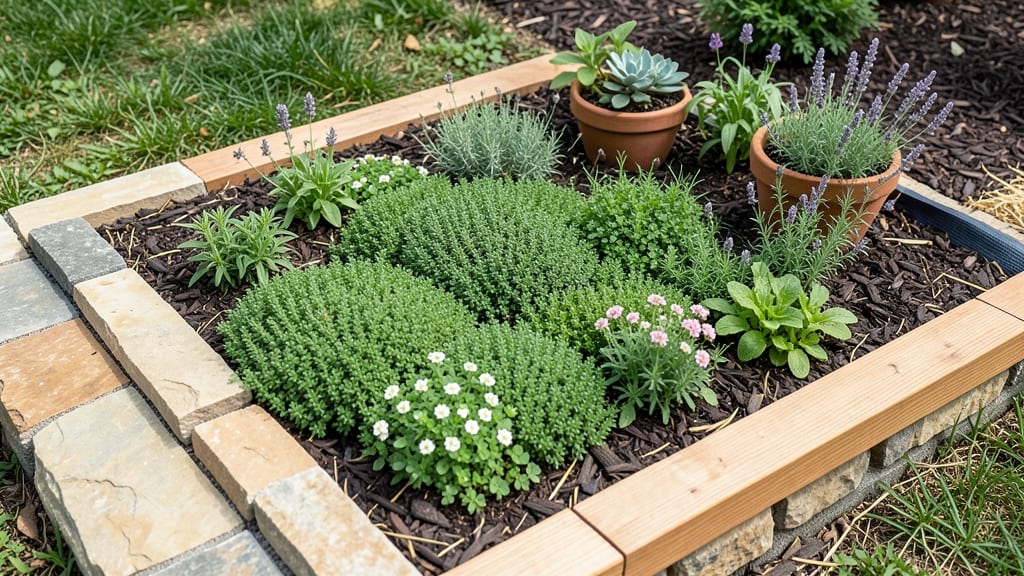
💥 Quick Answer You can put wood chips, straw, or decorative stones around garden beds to block weeds effectively. Weeds thrive in exposed soil, so the right border creates a natural barrier. Organic mulches like wood…
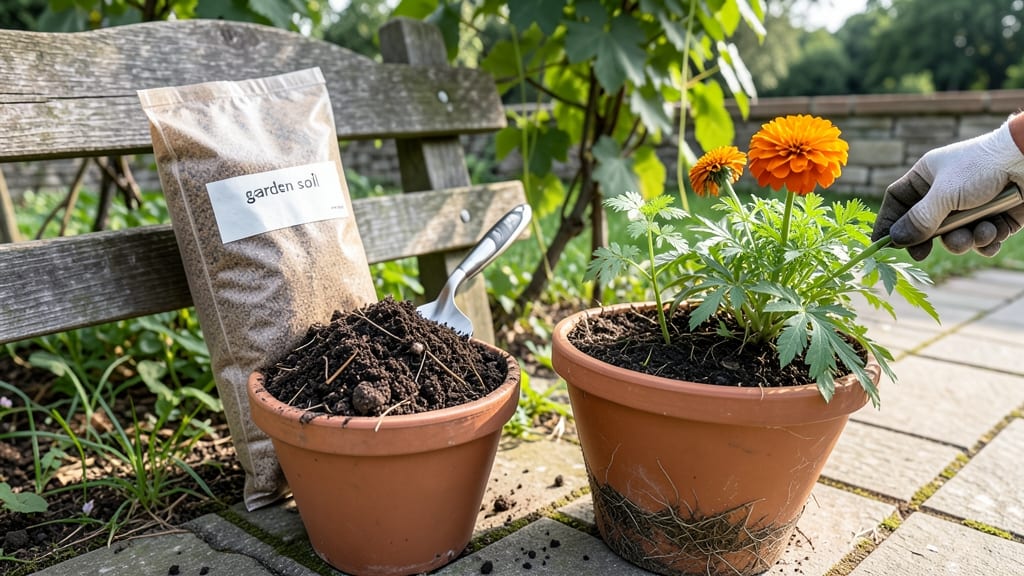
💥 Quick Answer You can use garden soil in pots, but only when mixed with perlite, sand, or compost (25-30% ratio) to prevent root suffocation and improve drainage. Pure garden soil compacts easily, traps moisture, and…
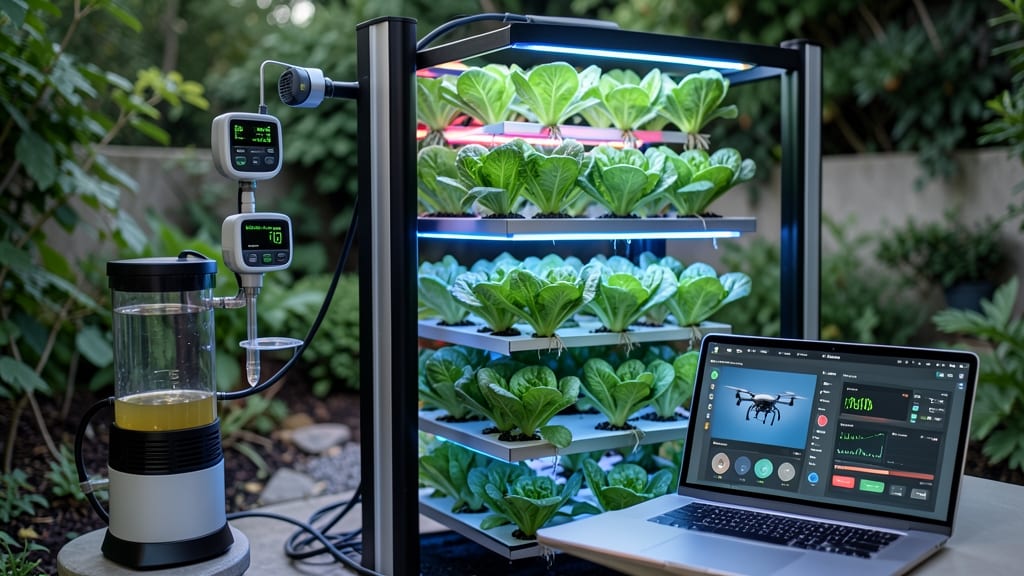
💥 Quick Answer AI for gardening transforms your garden by using real-time data to monitor soil conditions, weather patterns, and plant health, then automating watering and pest control—cutting your gardening time by up…
💥 Quick Answer The Monty Don Garden Show provides proven gardening techniques that combine classic horticulture with eco-friendly practices to help gardeners grow vibrant plants all year long through expert planting…
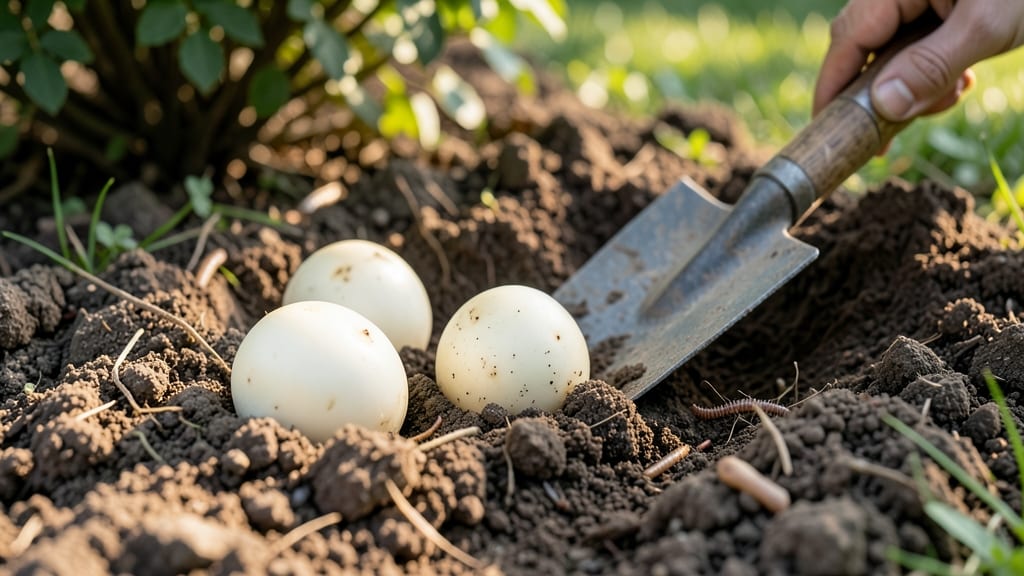
💥 Quick Answer When you spot white balls in garden soil, they're usually harmless gypsum deposits from calcium sulfate, crystallized salts from irrigation, or insect casings from pests like fungus gnats. Always check…
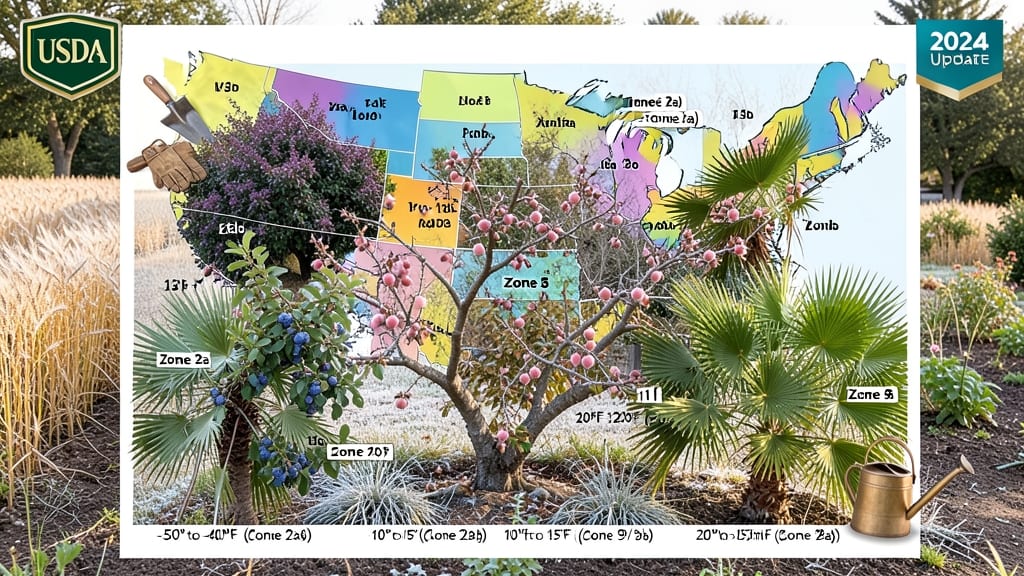
💥 Quick Answer The 2024 USDA gardening zones reflect updated climate data, shifting some regions into warmer classifications (e.g., Zone 6b to 7a) due to rising temperatures, requiring gardeners to adjust planting…
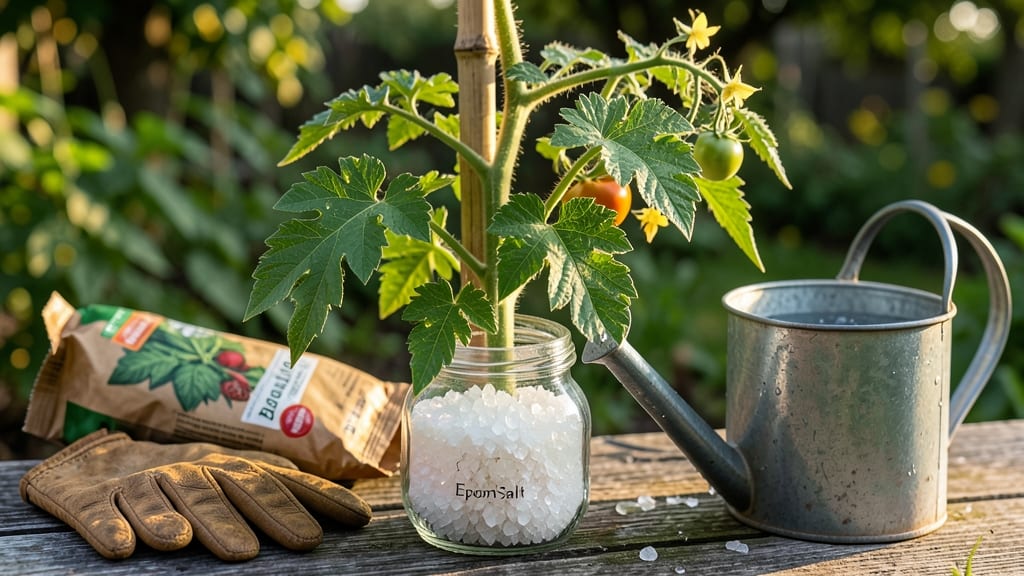
💥 Quick Answer Epsom salt for garden plants delivers magnesium and sulfur that boost stem strength, enhance chlorophyll production, and reverse yellowing leaves or stunted growth from deficiency. Use it as a diluted…
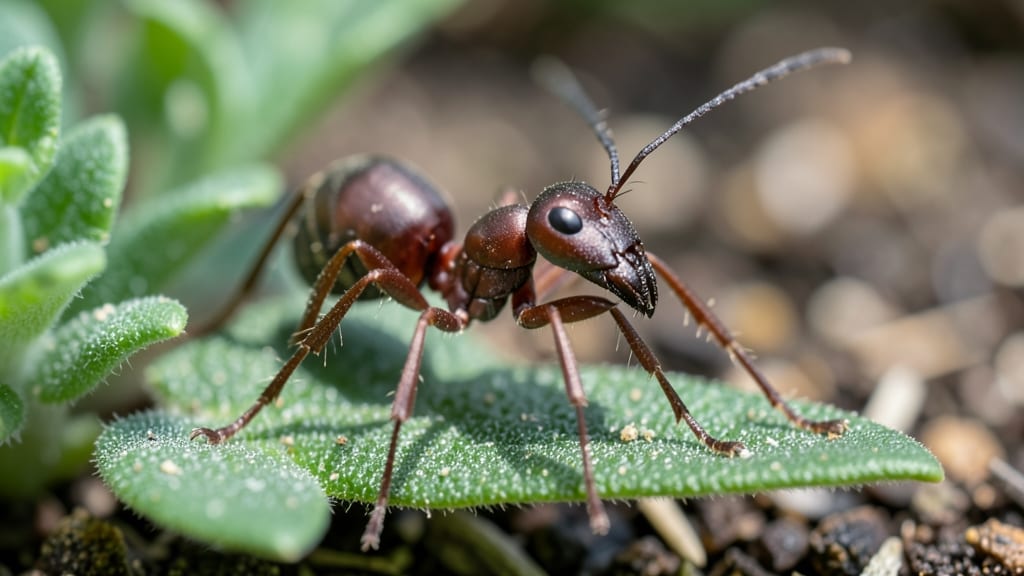
💥 Quick Answer Are ants okay in the garden? They’re generally beneficial, as they aerate soil, control pests like aphids, and disperse seeds, though some species may disturb plant roots or attract unwanted insects if…
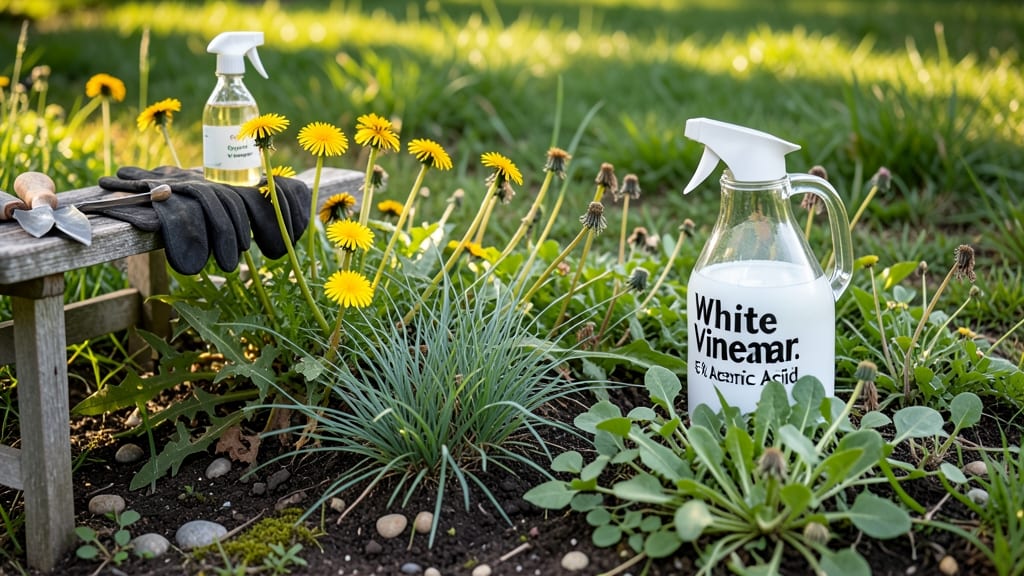
💥 Quick Answer Vinegar in the garden effectively kills weeds by disrupting their cellular structure, but its acidity can harm desirable plants. Opt for 5% to 20% acetic acid solutions and apply only on target weeds…
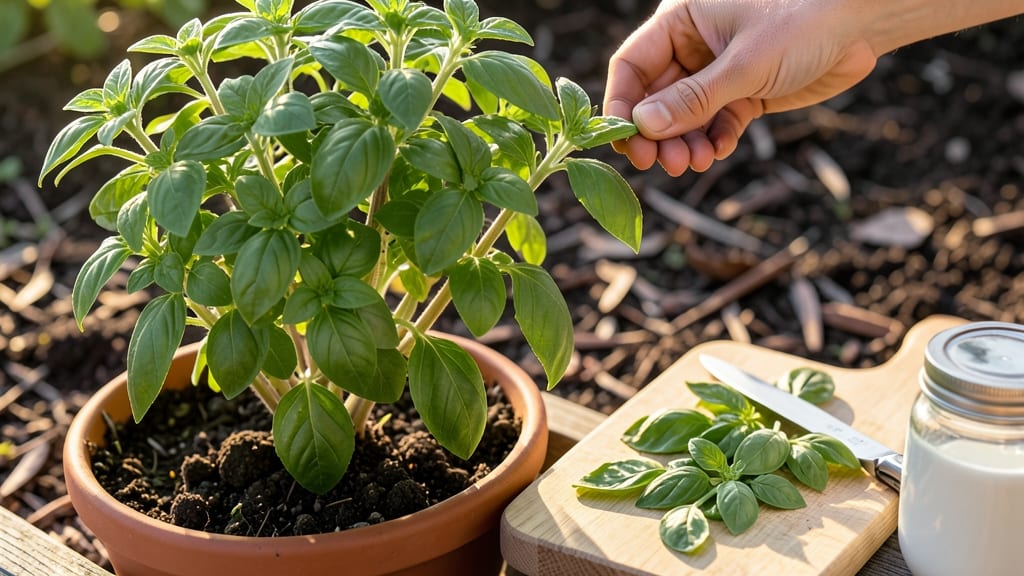
💥 Quick Answer What to do with basil from your garden includes using fresh leaves in salads, infusing oils for dressings, blending into smoothies, or fermenting into vinegar. Preserve excess by drying, freezing, or…