
Tools
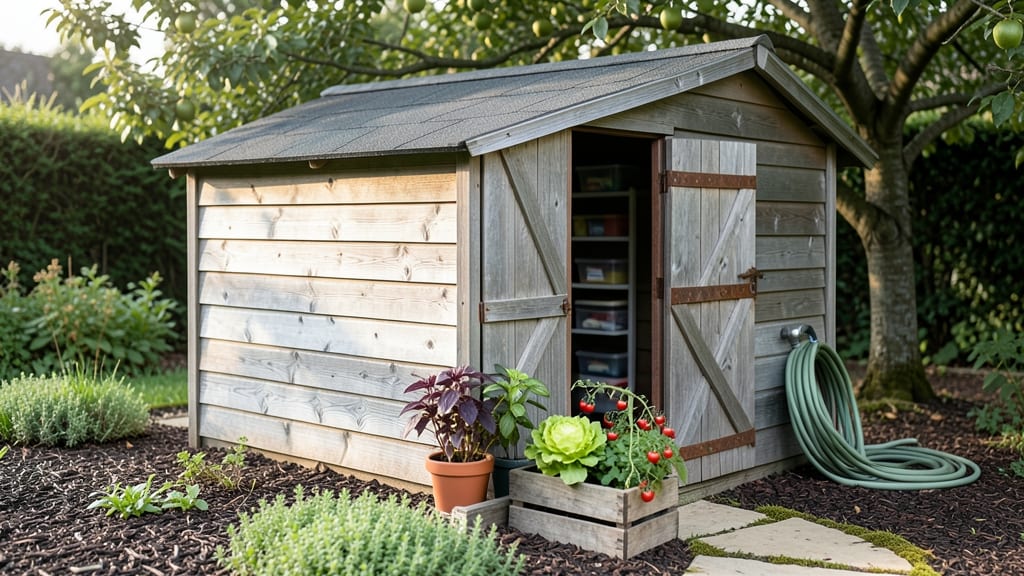
A 5 by 3 garden shed provides 15 square feet of storage space, perfect for organizing gardening essentials in tight spaces. This compact size works best with smart storage solutions like vertical shelving and modular designs.
A 5 by 3 garden shed might seem small, but its dimensions pack a surprising punch for urban gardeners or those with limited yard space. 🌱 The key lies in vertical organization—think wall-mounted racks for tools, tiered shelves for potting supplies, and fold-down workbenches that disappear when not in use.
I've seen these sheds transformed into surprisingly functional spaces by adding hooks for hoses, magnetic strips for small metal tools, and clear bins to corral seeds and soil amendments. The real magic happens when you treat every inch like prime real estate.
This size also forces you to prioritize what stays inside. 💡 Instead of cluttering with rarely used items, focus on essentials like pruners, gloves, and seasonal tools.
A well-placed workbench along one wall can double as a prep station for potting or cleaning tools, while overhead storage keeps bulky items like wheelbarrows or large pots out of the way.
The 15 square feet becomes a blank canvas for creative problem-solving—where most people see limitations, I see an opportunity to design a space that actually works for how you garden.
💡 In This Article
- Maximizing Storage in a 5x3 Foot Garden Shed
- Best Layout Designs for Compact Garden Sheds
Maximizing storage in a 5x3 foot garden shed
In a 5 by 3 foot shed, every inch counts, so the secret is working with the vertical space. Most gardeners underutilize wall space—think of it as your primary storage zone. Installing floor-to-ceiling shelves (about 36 inches tall) gives you 10.5 square feet of vertical storage alone.
For example, a 12-inch deep shelf on one wall can hold 30-gallon containers while leaving room for a 24-inch wide workbench below. The key is using adjustable shelving brackets (like those from IKEA or Home Depot) to customize spacing for different-sized items.
Wall-mounted solutions are game-changers in tiny sheds. A pegboard system (about $20-30) lets you hang tools by their handles—pruners, trowels, and shears—keeping them organized and accessible. For bulkier items, overhead racks (installed 18-24 inches below the roof) can store 5-gallon buckets or folding chairs.
I've seen gardeners use clear acrylic bins (like Sterilite) on these racks to categorize seeds by type, making inventory checks a breeze. The 3-foot width of your shed actually works in your favor here—it's wide enough for a 36-inch tall workbench but narrow enough to keep everything within arm's reach.
Modular furniture is your best friend in this space. A fold-down workbench (like those from Suncast) can be mounted to the wall and flipped up when not in use, freeing up 2 square feet of floor space.
Pair it with a wall-mounted tool rack above, and you've created a multi-functional zone. For seating, consider a foldable stool (stored under the bench) or a wall-mounted bench that tucks into the corner.
The 5-foot length is perfect for a 3-foot long workbench with 12-inch deep storage drawers on either side—each drawer can hold 2-3 tools or a 5-pound bag of soil amendments.
Don't overlook the door space—it's prime real estate. Installing magnetic tool strips on the inside of the door keeps frequently used items (like scissors or measuring tapes) within reach. For larger items, a wall-mounted bike hook (yes, really!) can hold a 3-foot hose or a folding shovel.
The 3-foot depth of your shed means you can't swing a door open too wide, so plan for a 30-inch wide doorway to allow easy access to items stored on shelves near the entrance. Pro tip: Use soft-close hinges to prevent the door from slamming and damaging nearby items.
Lighting and ventilation are often afterthoughts, but they're critical in a small shed. A LED strip light (about $15) mounted along the ceiling provides bright, even lighting without taking up space. For ventilation, install a 12-inch roof vent (like those from Grip-Rite) to prevent moisture buildup from potting supplies.
The 5x3 footprint actually works well for airflow—just position the vent opposite the door to create a cross-breeze. I've found that adding a small fan (like a 4-inch USB-powered model) near the vent helps circulate air even in still conditions.
Finally, think about the entryway zone. Leave a 2-foot wide clear path at the door to avoid tripping over items. Use this space for a wall-mounted shoe rack (to hang boots or gardening shoes) or a small trash can (like a 5-gallon model) with a lid.
The 3-foot depth means you can't fit a full-sized trash can, but a compact one keeps debris contained. For extra organization, add a label maker to tag bins and shelves—this makes it easy to find what you need without digging through everything.