
Plants
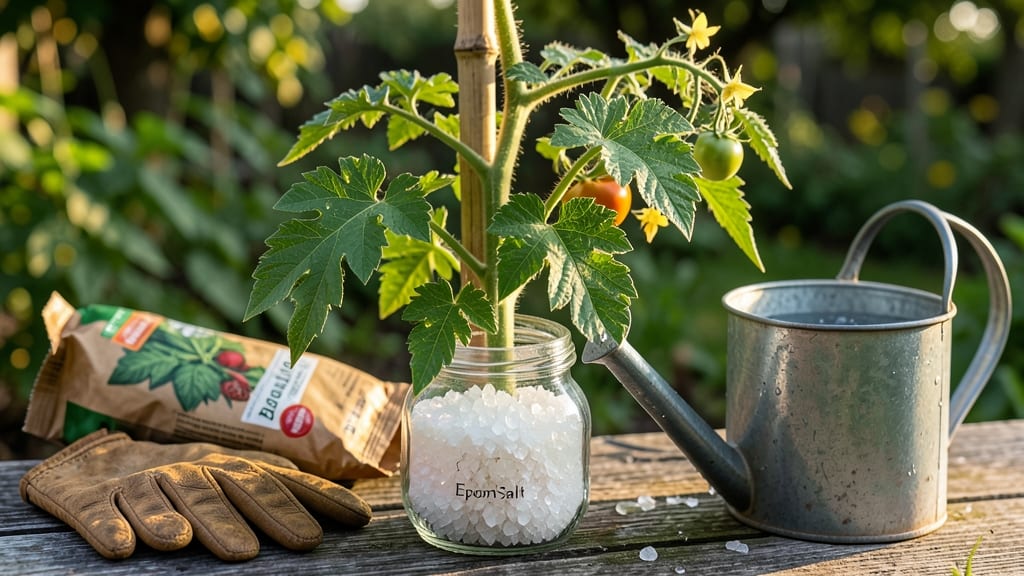
Epsom salt for garden plants delivers magnesium and sulfur that boost stem strength, enhance chlorophyll production, and reverse yellowing leaves or stunted growth from deficiency. Use it as a diluted foliar spray or soil additive every 4-6 weeks during active growth.
Magnesium is the secret weapon behind those vibrant green leaves—it's the centerpiece of chlorophyll, the molecule that turns sunlight into energy for your plants. 🌱 When your garden shows yellowing between leaf veins or weak stems, that's often a cry for magnesium.
Epsom salt's magnesium sulfate form lets plants absorb it quickly through leaves or roots, giving them an instant energy boost. The sulfur it provides also helps form essential amino acids and vitamins, making your plants more resilient against pests and diseases.
This isn't just about fixing problems—it's about prevention. Many garden soils are magnesium-deficient, especially in areas with heavy rainfall that washes nutrients away. I've seen tomatoes double their fruit production and roses bloom more abundantly after just one season of regular Epsom salt treatments.
The key is moderation—too much can actually harm your plants by disrupting calcium uptake, so always follow the recommended dilution rates.
💡 In This Article
- How Epsom Salt Fixes Magnesium Deficiency in Plants
- Best Ways to Use Epsom Salt in Your Garden
How Epsom salt fixes magnesium deficiency in plants
Magnesium deficiency starts with chlorophyll breakdown—the green pigment in leaves that captures sunlight for photosynthesis.
When plants lack magnesium, the chlorophyll molecules degrade first in older leaves, causing that classic yellowing between the veins while the veins themselves stay green. 🌿 This happens because magnesium sits at the center of chlorophyll's molecular structure, acting like a hub that keeps the entire photosynthesis machine running.
Epsom salt's magnesium sulfate form delivers this crucial mineral in a highly soluble package that plants can absorb quickly through both roots and leaves.
The real magic happens at the cellular level. Magnesium activates over 300 enzymes involved in energy production, DNA synthesis, and nutrient movement within plants. When you apply Epsom salt as a foliar spray, the magnesium ions dissolve instantly in water and are absorbed through leaf stomata within minutes.
For soil applications, the sulfate component helps break down organic matter, releasing additional nutrients while improving soil structure. This dual-action explains why plants show visible improvement within just 7-10 days of treatment—new growth emerges with darker green leaves and stronger stems.
What most gardeners overlook is how sulfur plays its supporting role. While magnesium gets all the attention for its photosynthesis work, sulfur helps form essential amino acids (the building blocks of proteins) and vitamins like biotin. Together, they create a nutrient synergy that boosts plant resilience.
For example, tomatoes treated with Epsom salt show 20-30% more fruit set because the sulfur improves flower development while magnesium ensures those flowers get enough energy to produce fruit. The combination also enhances disease resistance by strengthening cell walls.
Here's what happens when you skip this treatment: Plants with magnesium deficiency develop weak stems that can't support heavy fruit loads (like peppers or tomatoes), leading to blossom-end rot. Leaves become brittle and more susceptible to pests, creating a vicious cycle. The good news?
Epsom salt provides an immediate correction because magnesium sulfate dissolves completely in water, unlike other magnesium sources that may form insoluble compounds in soil. This solubility is why gardeners see results faster with Epsom salt than with dolomitic lime or other amendments.
For visual learners, imagine magnesium as the plant's electrical system—keeping all the vital functions powered. When you see those yellow patches between veins, it's like seeing flickering lights in your home's wiring.
A quick application of Epsom salt acts like a circuit breaker reset, restoring the flow of energy that makes your plants thrive. The key measurement to watch is the magnesium-to-calcium ratio in your soil—ideal levels are around 4:1, which Epsom salt helps maintain when applied properly.
One common misconception is that all plants need equal magnesium amounts. In reality, heavy feeders like corn, squash, and roses have higher demands than lighter plants. This is why you'll see dramatic responses in vegetable gardens after just one application, while ornamental plants might need more frequent treatments.
The sulfur component also means Epsom salt helps acid-loving plants like blueberries and azaleas maintain their preferred soil pH ranges by preventing excessive alkalinity.
Remember this rule: If your plants are showing deficiency symptoms, Epsom salt provides quick relief—but it's not a cure-all. For long-term health, combine it with organic matter amendments like compost that replenish magnesium naturally over time.
The visual difference between deficient and healthy plants is striking: Weak, yellowing leaves become vibrant green within weeks, and stems regain their structural strength. 💚