
Pests
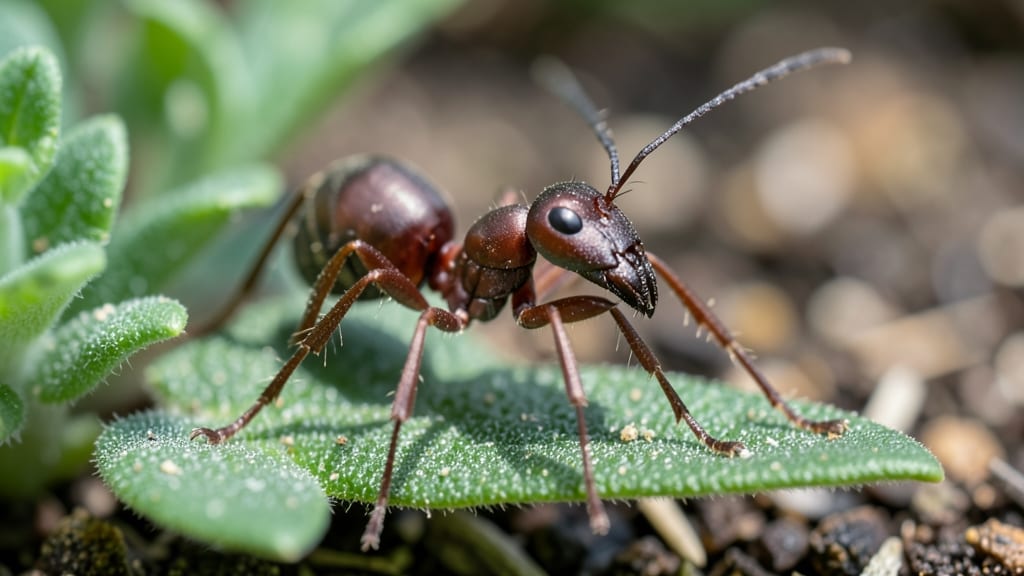
Are ants okay in the garden? They’re generally beneficial, as they aerate soil, control pests like aphids, and disperse seeds, though some species may disturb plant roots or attract unwanted insects if present in large colonies.
Most garden ants play a crucial role in maintaining ecological balance. 🔥 They break down organic matter, improving soil structure, and their predation on pests like aphids reduces the need for chemical interventions.
However, certain species—such as carpenter ants or fire ants—can create issues by damaging plant roots or creating unsightly mounds. The key is monitoring their activity and intervening only when they disrupt your garden’s harmony.
If you notice trails of ants or large mounds, it’s worth identifying the species and assessing their impact. While many ants are harmless or even helpful, their presence in large numbers might signal an imbalance in your garden’s ecosystem.
Simple solutions like introducing natural predators (like ladybugs) or adjusting watering practices can often restore balance without harsh chemicals.
💡 In This Article
- How Ants Benefit Garden Ecosystems
- When Ants Become a Garden Problem
How ants benefit garden ecosystems
Ants act as tiny ecosystem engineers, performing essential roles that improve garden health. Their constant tunneling aerates compacted soil, allowing water and oxygen to penetrate deeper—similar to how a gardener would use a fork to loosen earth.
Studies show that a single ant colony can create up to 20 feet of tunnels per year, breaking down clay particles and improving drainage. This natural tilling reduces soil erosion and helps roots establish more efficiently, especially in heavy or clay-rich soils where water pools.
Their pest control services are particularly valuable. Ants prey on garden pests like aphids, mealybugs, and caterpillars, often consuming thousands of insects per day—a natural alternative to chemical pesticides. For example, Argentine ants (a common garden species) have been observed reducing aphid populations by 40-60% in controlled experiments.
This predation creates a balanced ecosystem where beneficial insects thrive alongside plants, reducing the need for synthetic interventions that can harm soil microbes and pollinators.
Ants also contribute to seed dispersal and plant growth through mutualistic relationships. Some species, like harvester ants, collect seeds and discard the husks, effectively planting new vegetation. Others cultivate fungi in underground chambers, creating nutrient-rich "farms" that release phosphorus and nitrogen into the soil—elements critical for plant development.
These underground networks can increase soil fertility by 15-20% in active colonies, acting as natural composters that break down organic matter into plant-available nutrients.
Not all ant-plant interactions are direct, though. Some ants protect plants from herbivores in exchange for food rewards, like nectar or shelter. For instance, the Acacia ant (a tropical species) lives in hollow thorns and aggressively defends its host tree from leaf-eating insects.
While this specific relationship isn’t common in home gardens, it illustrates how ants can enhance plant survival through indirect protection mechanisms. Their presence often correlates with healthier, more resilient garden ecosystems.
One lesser-known benefit is their role in water regulation. Ant mounds create microclimates that improve air circulation around plant roots, reducing fungal diseases like root rot. The mounds themselves act as natural drainage points, preventing waterlogging—a common issue in gardens with poor soil structure.
This dual function makes ants particularly valuable in regions with heavy rainfall or irrigation systems that can saturate soil.
However, their benefits hinge on maintaining ecological balance. A healthy garden typically supports 5-10 different ant species, each playing a specialized role. When one species dominates—often due to human intervention or environmental changes—the ecosystem can tip toward imbalance.
For example, fire ants can outcompete native species, reducing biodiversity and creating barren zones where only their preferred plants grow.