I remember the first tomato I grew from seed—it was tiny, red, and tasted like sunshine on a summer afternoon. That moment hooked me for life. Now, I spend my days digging into soil, chasing the perfect bloom, and sharing the little joys of gardening that make it all worthwhile. This site is where I pass along the lessons I’ve learned, the plants that thrive in my zone, and the quiet magic of watching something grow from nothing.
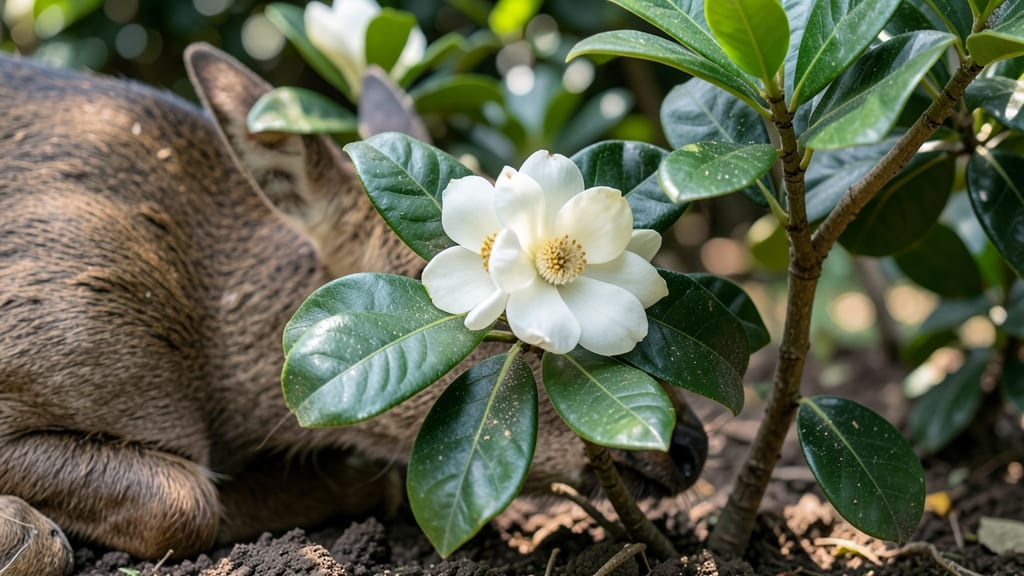
💥 Quick Answer Deer eat gardenia plants, often targeting their glossy leaves and tender shoots, especially during late spring and summer when food is scarce. Their browsing can stunt growth or kill young plants if left…
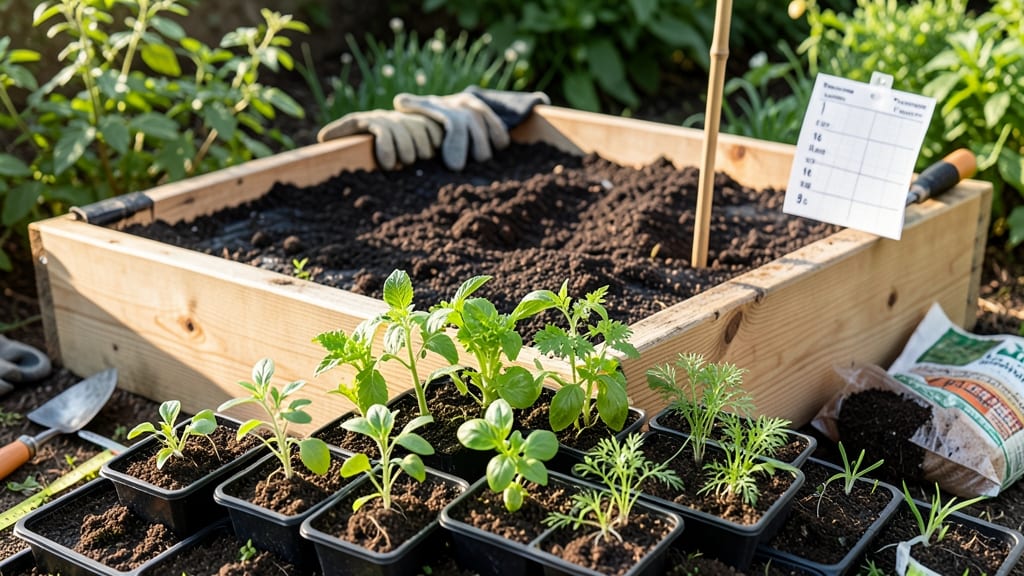
💥 Quick Answer Square foot gardening plans organize raised beds into 1-foot squares for efficient plant spacing, helping you grow more in limited space while reducing maintenance. This method uses grid layouts…
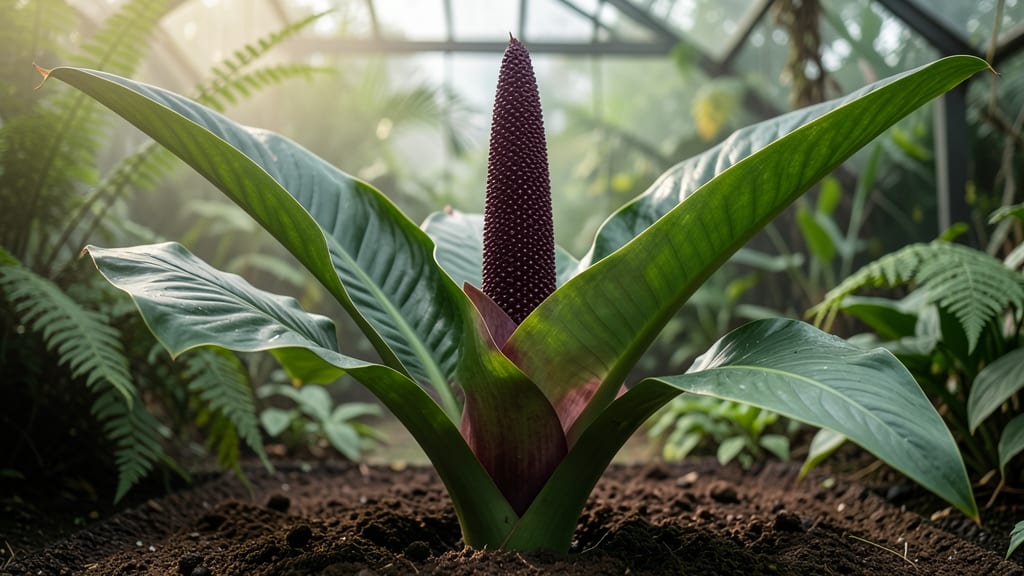
💥 Quick Answer A smelly plant botanical garden features pungent flora like skunk cabbage, corpse flower, or stinkhorn mushrooms, which use their strong odors to deter pests, lure pollinators, or break down organic…
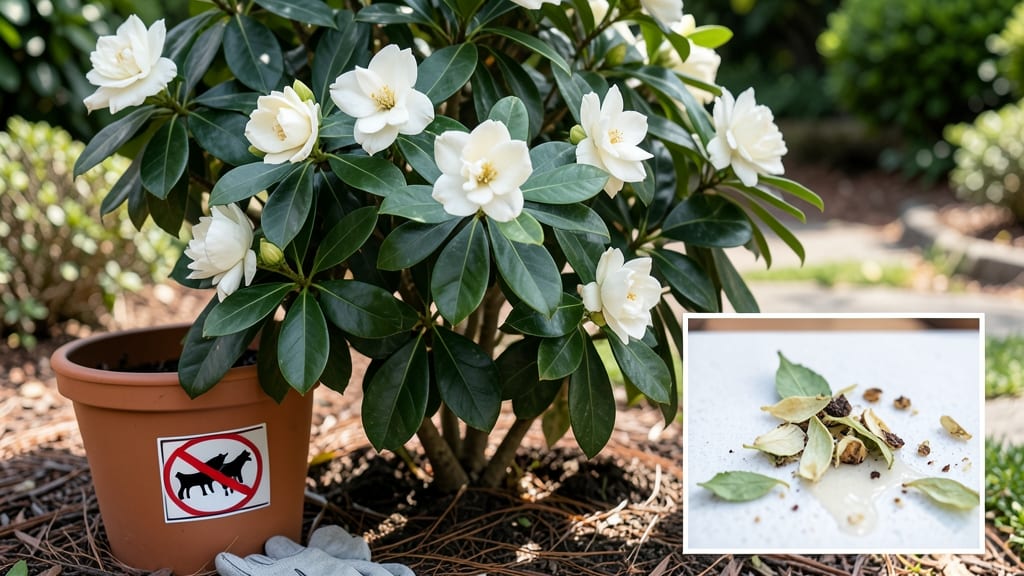
💥 Quick Answer Gardenias are poisonous to humans and pets, containing toxic compounds like saponins and glycosides that can cause nausea, vomiting, and skin irritation upon ingestion or contact. Keep them out of reach…
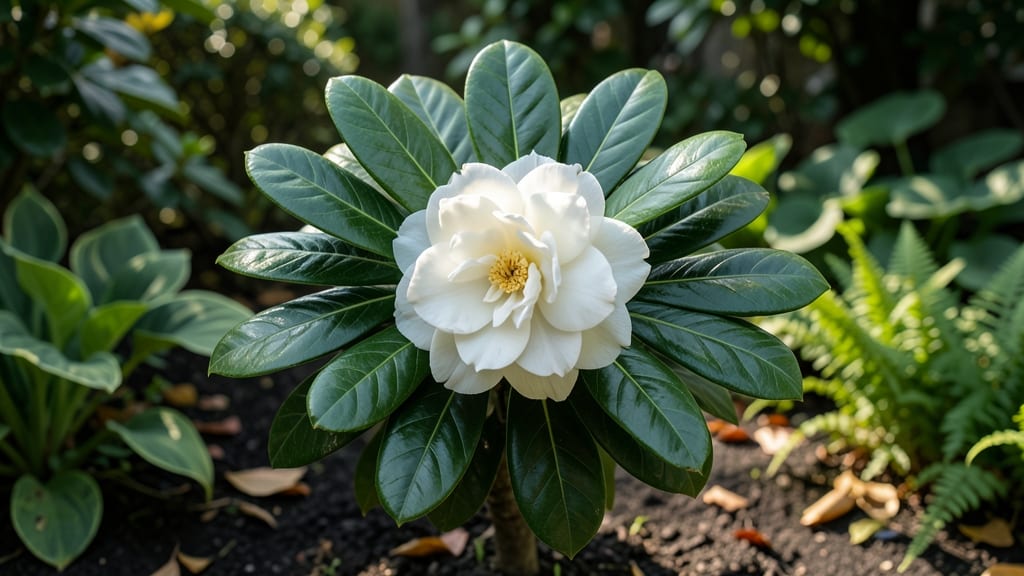
💥 Quick Answer Gardenias are perennials in warm climates (USDA Zones 8-11), thriving year-round with consistent care, but they behave like annuals in colder regions, losing foliage and requiring winter protection to…
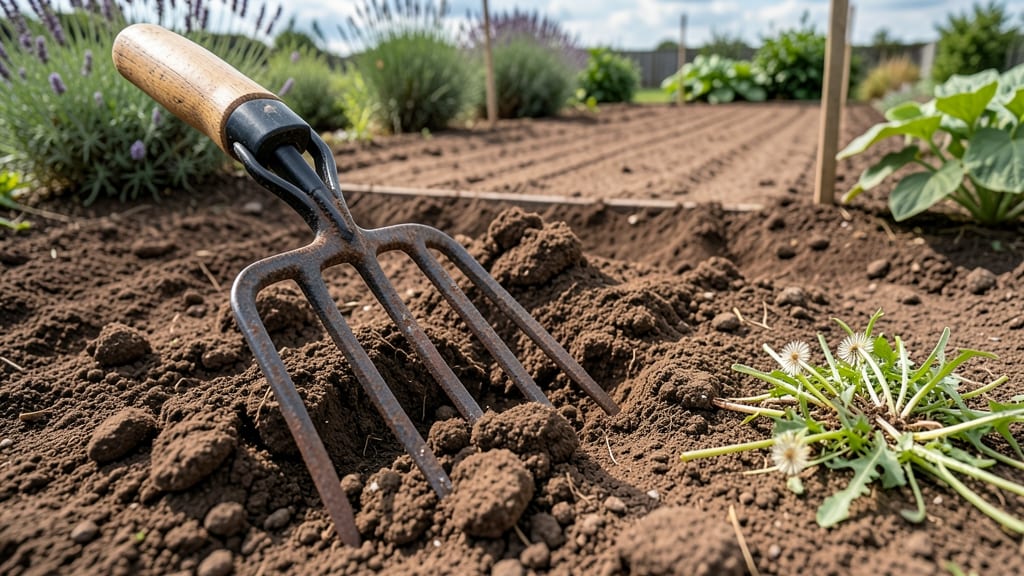
💥 Quick Answer A garden cultivator is used for loosening soil, breaking up compacted ground, and removing weeds while keeping plant roots intact—perfect for prepping garden beds, aerating lawns, and maintaining healthy…
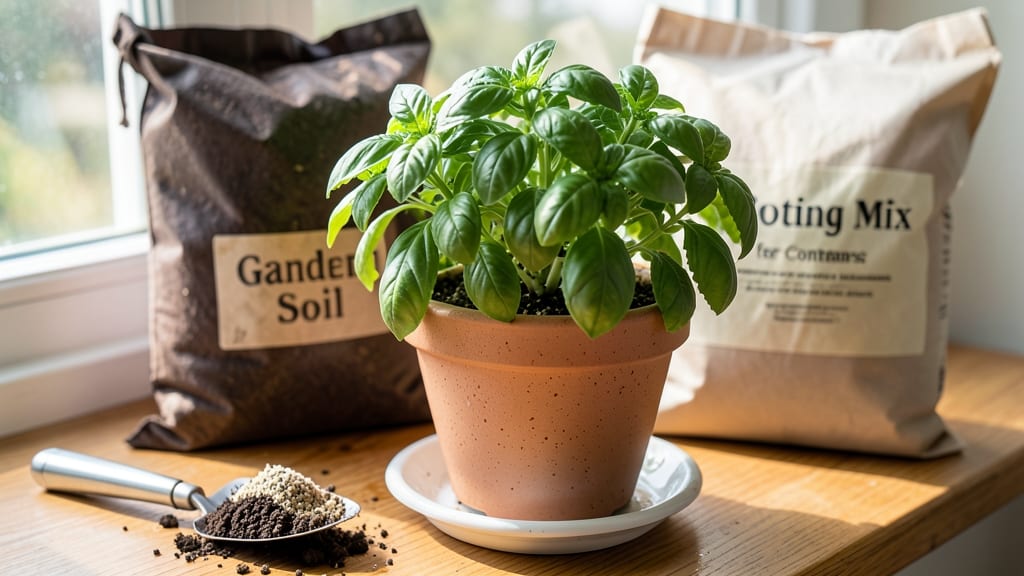
💥 Quick Answer You can't use garden soil as potting soil because it compacts easily, drains poorly, and may harbor pests or diseases. Instead, mix it with perlite, sand, or compost to improve aeration and drainage for…
💥 Quick Answer Zone 5B gardening thrives with cold-resistant plants that handle temperatures between -15°F and -10°F, featuring hardy perennials like coneflowers and hostas alongside vegetables such as kale and spinach…
💥 Quick Answer The Enchanted Garden in Richmond, Texas, offers a magical botanical experience with themed gardens, fairy doors hidden among plants, and seasonal displays featuring glowing night paths and intricate…
💥 Quick Answer To plant your garden in Illinois, time it by crop type: cool-season vegetables like spinach and peas thrive in early spring (March–April) or fall (September–October), while warm-season plants such as…