
Tools
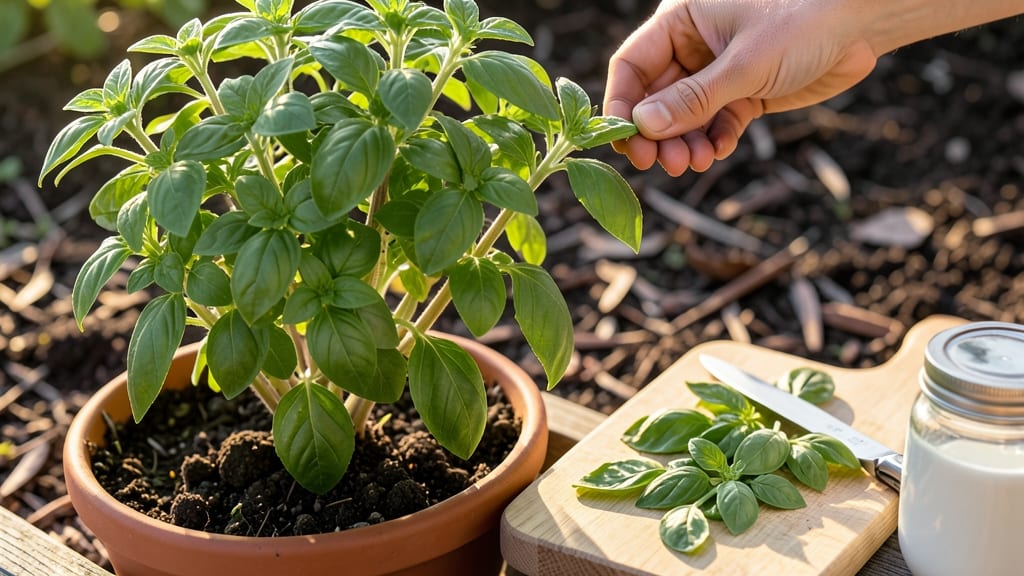
What to do with basil from your garden includes using fresh leaves in salads, infusing oils for dressings, blending into smoothies, or fermenting into vinegar. Preserve excess by drying, freezing, or making basil oil for year-round flavor enhancement in cooking and cocktails.
Fresh basil from your garden is a flavor powerhouse that deserves more than just pesto. 🌿 The secret lies in its versatility—whether you're whipping up a quick basil butter for toast, creating vibrant infused olive oil for drizzling, or mixing it into cocktails like a mojito.
Even the stems aren't wasted; they make excellent broths or homemade vinegar. For those with abundant harvests, preservation techniques like air-drying or freezing whole leaves unlock year-round access to that bright, sweet flavor.
Pro tip: Harvest basil in the morning when the oils are most concentrated, and always cut just above a leaf node to encourage bushier growth. Store fresh basil upright in a glass of water on your countertop—it'll last weeks while staying fresher than refrigerated stems.
The key to maximizing your harvest is using it consistently in small batches rather than letting it pile up.
💡 In This Article
- Harvesting and Storing Fresh Basil for Maximum Flavor
- 10 Creative Basil Recipes Beyond Pesto
Harvesting and storing fresh basil for maximum flavor
Harvesting basil properly ensures its aromatic compounds—like linalool and eugenol—remain potent. Always use clean, sharp scissors or fingers to pinch off leaves just above a leaf node (where the leaf meets the stem). This encourages new growth while preserving the plant's energy.
Avoid cutting the main stem unless you're harvesting the entire plant, as this can stress it. Morning harvests yield the most flavor since basil's essential oils peak after nighttime cooling.
Storage methods drastically affect basil's shelf life. For short-term use (5-7 days), store stems upright in a glass of water on your countertop—this mimics its natural growing conditions and keeps leaves crisp.
Refrigerate only if needed (3-5 days), but wrap stems loosely in a damp paper towel to prevent wilting. For long-term preservation, freeze whole leaves in olive oil (ideal for cooking) or lay them flat on a tray to dry (perfect for teas).
Proper drying at 95°F for 2-3 hours preserves flavor better than high-heat methods.
Signs of spoilage include yellowing leaves, slimy stems, or a musty smell—these indicate bacterial growth. Basil's natural moisture makes it prone to mold, so avoid storing it in airtight containers with high humidity. The key to extending usability lies in using it within 3 days of harvest for peak flavor.
For example, fresh basil in salads loses its bright aroma after 2 days in the fridge, while dried basil retains its essence for months but with a more concentrated (and slightly earthier) taste.
Did you know? Basil's leaves contain 0.05% essential oils, which are volatile and evaporate quickly when exposed to heat or light. That's why storing it in a dark, cool place (like a pantry) maximizes its shelf life.
Even frozen basil loses 30% of its aroma compounds over 3 months, so use it within 2 months for best results. For the freshest flavor, harvest leaves as needed rather than storing large batches.
For gardeners, the best time to harvest is when 6-8 leaves have fully matured on a stem—this ensures the plant has enough energy to regrow. Over-harvesting can weaken the plant, leading to smaller leaves and reduced oil production.
Use a 1:3 ratio of leaves to stems when cooking to avoid bitterness from the woody stems. For example, 1 cup chopped leaves paired with 3 cups stems works well in broths or pestos.
Preserving basil through oil infusion is a game-changer. Simply submerge leaves in olive oil and refrigerate for 2-3 days—the oil absorbs the basil's compounds, creating a flavorful base for dressings or marinades.
This method works because the oil's fat molecules bond with the basil's aromatic compounds, locking in flavor for up to 6 months. 🌿