I remember the first tomato I grew from seed—it was tiny, red, and tasted like sunshine on a summer afternoon. That moment hooked me for life. Now, I spend my days digging into soil, chasing the perfect bloom, and sharing the little joys of gardening that make it all worthwhile. This site is where I pass along the lessons I’ve learned, the plants that thrive in my zone, and the quiet magic of watching something grow from nothing.
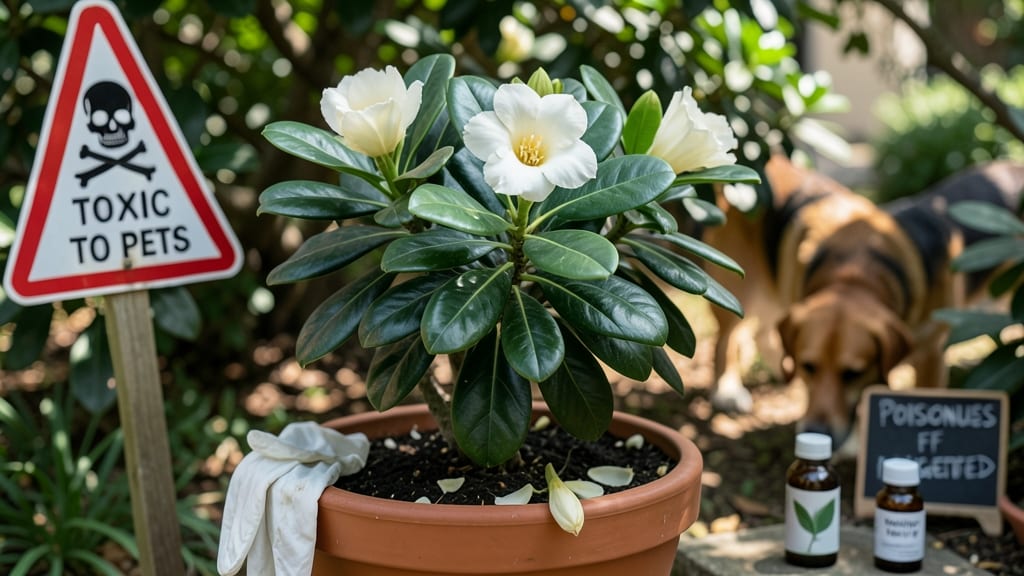
💥 Quick Answer Gardenias are toxic to pets and humans, particularly their leaves and flowers, which contain grayanotoxins that can cause vomiting, diarrhea, and weakness. Keep them out of reach of children and animals…
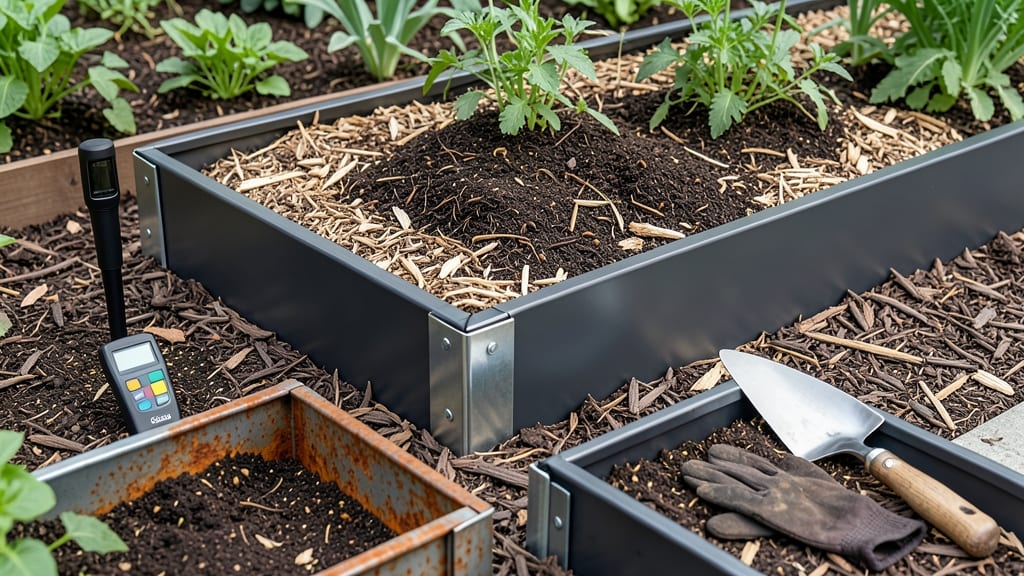
💥 Quick Answer Metal raised garden beds can be safe for growing plants when made from food-grade materials like galvanized steel or stainless steel, but they carry risks such as chemical leaching, heat stress on roots…
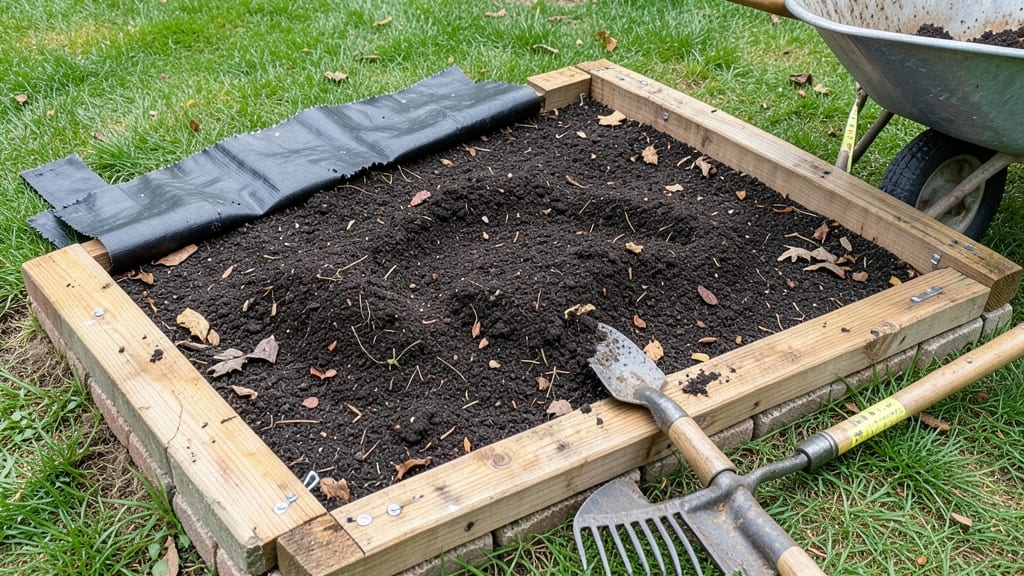
💥 Quick Answer To make a garden bed, mark the area with stakes and string, remove grass or weeds, loosen soil to 12 inches deep, mix in compost or aged manure, and level the surface before planting. Choose a sunny…
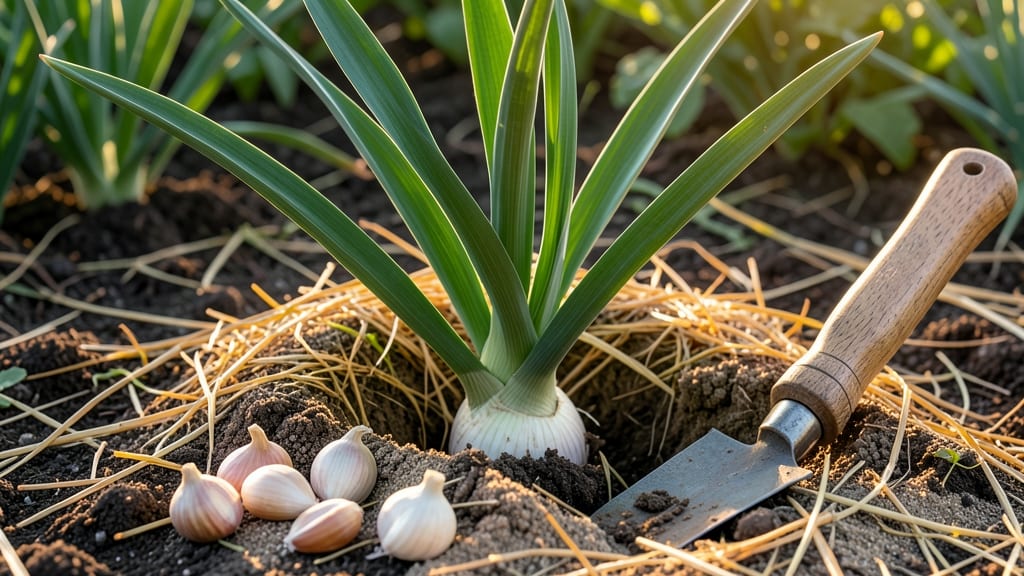
💥 Quick Answer To plant garlic in your garden, choose a sunny spot with at least 6 hours of direct sunlight daily, well-draining soil with a pH of 6.0–7.0, and space bulbs 4–6 inches apart in raised beds or loose soil…
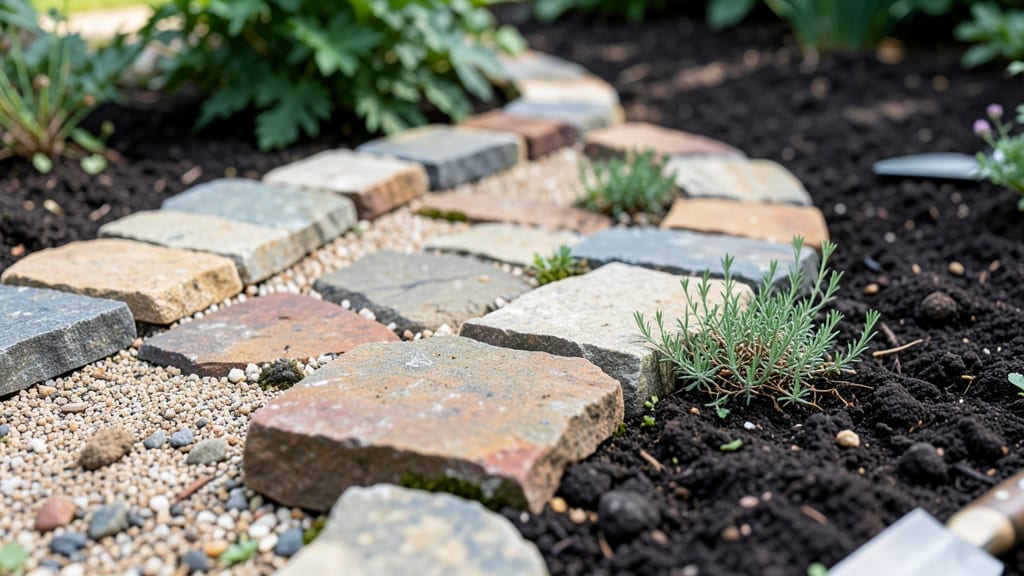
💥 Quick Answer Cobble garden edging creates clean, natural borders that define garden beds while adding rustic charm. Use irregularly shaped stones in curves or straight lines, securing them with landscape fabric or…
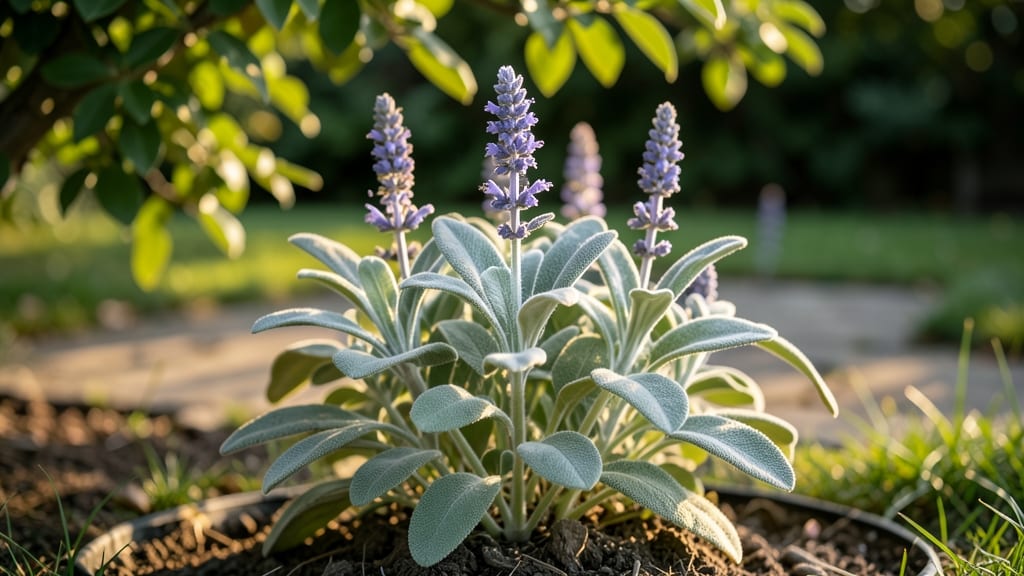
💥 Quick Answer Yes, garden sage does bloom in late spring or summer with delicate tubular flowers that are typically purple or white, though many gardeners remove them to prioritize lush foliage. The right growing…