
Tools
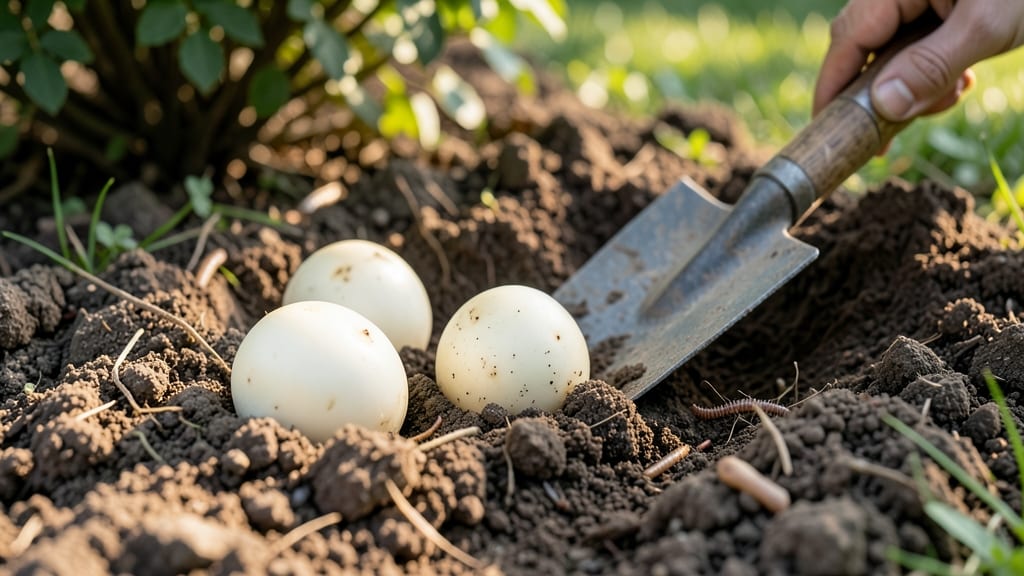
When you spot white balls in garden soil, they're usually harmless gypsum deposits from calcium sulfate, crystallized salts from irrigation, or insect casings from pests like fungus gnats. Always check first—gypsum won't hurt plants, but salt buildup or larvae can damage roots and drainage, requiring targeted fixes like flushing or organic treatments.
These white deposits often form when soil chemistry meets environmental factors—like calcium-rich water or evaporation.
Gypsum appears as chalky chunks, while salt crystals look like tiny white grains that clump together. 🌱 The real concern comes from pests: fungus gnat larvae create tiny white casings that can weaken plant roots over time.
For salt or gypsum, simply water the soil deeply to dissolve and flush out excess minerals. If you suspect insects, try organic nematodes or diatomaceous earth to break their life cycle without harming your plants.
Prevention starts with smart watering habits—avoid over-irrigation that leaves mineral residues behind.
Test your soil's pH and salt levels annually, especially in containers where drainage issues accumulate problems faster. 💫 A little detective work now saves headaches later, and most white deposits can be managed with basic garden tools and patience.
💡 In This Article
- Identifying Common Causes of White Balls in Soil
- Safe Removal Methods for Gypsum and Salt Crystals in Garden Soil
Identifying common causes of white balls in soil
When you dig into your garden and uncover those mysterious white balls, you're often looking at one of three culprits: gypsum deposits, salt crystals, or insect casings.
Gypsum forms when calcium sulfate combines with water in alkaline soils, creating those familiar chalky chunks that crumble easily between your fingers.
This mineral buildup is completely harmless to plants and actually helps break up compacted soil over time. 🔥 What sets gypsum apart is its texture—it feels slightly gritty yet soft, almost like crushed eggshells.
The second common cause, salt crystals, forms when water evaporates and leaves behind mineral residues. This happens most frequently in areas with hard water or poor drainage, where sodium and calcium ions accumulate. These tiny white grains often clump together near the soil surface, especially in containers or sandy soils.
The problem with salt isn't just the unsightly appearance—excessive buildup can alter soil pH, making nutrients less available to plants. Think of it like adding too much salt to your morning coffee: it changes the flavor entirely, but in this case, it's your plants' ability to absorb water and nutrients.
Insect casings from fungus gnats are the third possibility, and these are where things get serious. The larvae of these small flies create tiny white cocoons that look like tiny beads of rice.
What makes them dangerous is their life cycle: they feed on plant roots, creating tunnels that disrupt water flow and nutrient uptake. You'll often find these casings clustered near the soil surface or mixed into the top 2-3 inches of soil.
The key difference here is that these casings are usually accompanied by tiny black specks (the larvae themselves) and may have a slightly sticky residue from their feeding.
To tell them apart, do this quick test: rub a small amount between your fingers. Gypsum will feel powdery when crushed, salt crystals will dissolve slightly if you add water, and insect casings will have a more fibrous texture with visible organic matter.
The location matters too—gypsum forms deeper in alkaline soils, salts accumulate near the surface in dry conditions, and gnat casings cluster where moisture and organic matter meet. 💫 This simple detective work helps you decide whether to relax or take action.
Here's what most gardeners overlook: the role of evaporation. In hot, dry climates, water rises through the soil (a process called capillary action) and leaves mineral deposits behind as it evaporates. This is why you might see more white deposits in summer months or in containers with poor drainage.
Understanding this mechanism helps explain why some areas of your garden develop these deposits while others don't—it's all about the balance of water, minerals, and soil composition.
Consider this example: I once had a container garden where the top 1 inch of soil was covered in white crystals after switching to tap water with high mineral content. The solution wasn't just removing the crystals but also adjusting my watering routine to use rainwater instead.
This small change prevented the problem from returning, showing how closely these issues are tied to your garden's specific conditions. 🌱