
Tools
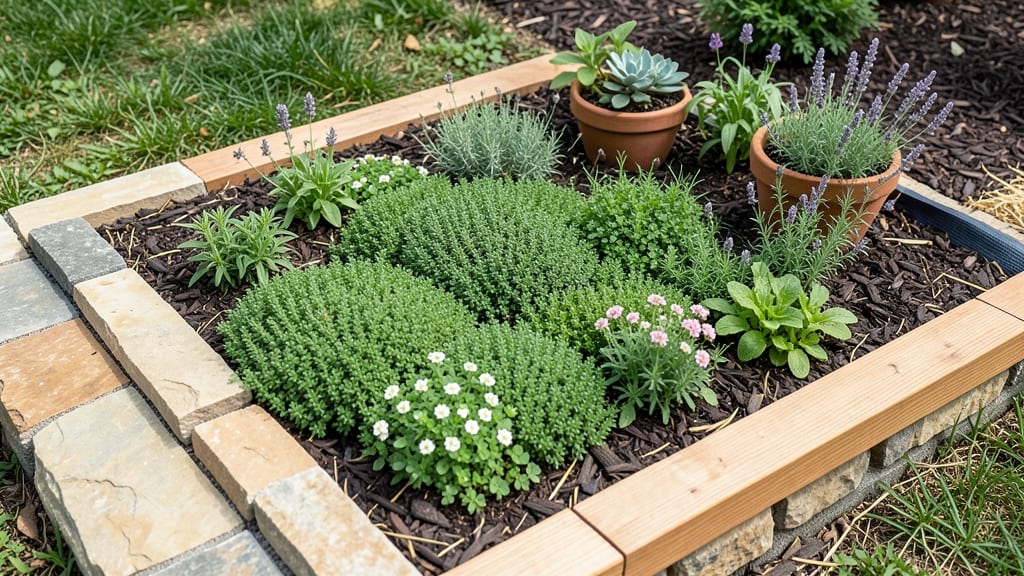
You can put wood chips, straw, or decorative stones around garden beds to block weeds effectively.
Weeds thrive in exposed soil, so the right border creates a natural barrier.
Organic mulches like wood chips or straw block sunlight that weeds need to grow while also retaining moisture for your plants. 🌱 For a more permanent solution, edging stones or metal borders keep soil contained and make weeding easier.
Living mulches add an extra layer of protection by outcompeting weeds for nutrients.
Your choice depends on your garden style and maintenance preferences. Wood chips break down over time, requiring occasional replenishment, while metal or stone edging lasts years but may need sealing.
Living mulches offer beauty and function but require more upkeep than inorganic options. Each method balances weed control with your landscape's aesthetic.
💡 In This Article
- How Mulch and Edging Prevent Weeds in Garden Beds
- Best Low-Maintenance Edging Materials for Weed Control
How mulch and edging prevent weeds in garden beds
Weeds primarily grow when they receive adequate sunlight and moisture, so the core mechanism of weed suppression involves blocking these two critical factors. Organic mulches like wood chips or straw create a physical barrier that cuts off 90-95% of sunlight from reaching weed seeds in the soil.
This interruption halts germination before weeds can emerge. For example, a 3-inch layer of wood chips can suppress weeds for 6-12 months before needing replenishment, as the decomposition process gradually reduces its thickness.
The moisture retention aspect is equally important. Organic mulches absorb and slowly release water, creating a more stable soil environment for your plants. This reduces the frequency of irrigation needed while simultaneously depriving weeds of the inconsistent moisture they often exploit.
Inorganic options like landscape fabric work differently—they don't decompose but instead create a physical barrier that prevents weed seeds from making contact with soil. However, fabric alone doesn't retain moisture, so pairing it with gravel or mulch on top combines both weed suppression and moisture control.
Edging materials like metal or stone borders take weed prevention a step further by creating a defined boundary that prevents soil from spreading into pathways or lawn areas. This containment effect reduces the overall weed seed bank in your garden by limiting where weeds can establish.
For instance, a 4-inch tall metal edging installed 2-3 inches deep into the soil creates a nearly impenetrable barrier that lasts 5-10 years with minimal maintenance. The key is ensuring the edging is deep enough to prevent soil erosion from watering or rain.
Living mulches offer a unique approach by using low-growing plants like clover or creeping thyme that outcompete weeds for nutrients and space. These plants establish dense ground cover that shades the soil while their extensive root systems absorb excess nitrogen that would otherwise fuel weed growth.
The trade-off is that living mulches require more initial establishment time (4-6 weeks) and may need occasional mowing or trimming to maintain their weed-suppressing density.
When choosing between organic and inorganic options, consider your garden's specific needs. Organic mulches improve soil fertility as they decompose, adding beneficial microbes and organic matter. In contrast, inorganic options like stones or metal provide a cleaner, more permanent look with less long-term maintenance.
For example, a vegetable garden benefits from organic mulch to improve soil health, while a formal herb garden might use stone edging for a polished appearance with minimal upkeep.
The most effective weed suppression systems often combine multiple approaches. For instance, using a 2-inch layer of landscape fabric topped with 3 inches of wood chips and bordered by 3-inch tall metal edging creates a multi-layered defense against weeds.
This combination blocks sunlight, retains moisture, and physically contains soil—addressing all three primary factors that enable weed growth.