
Tools
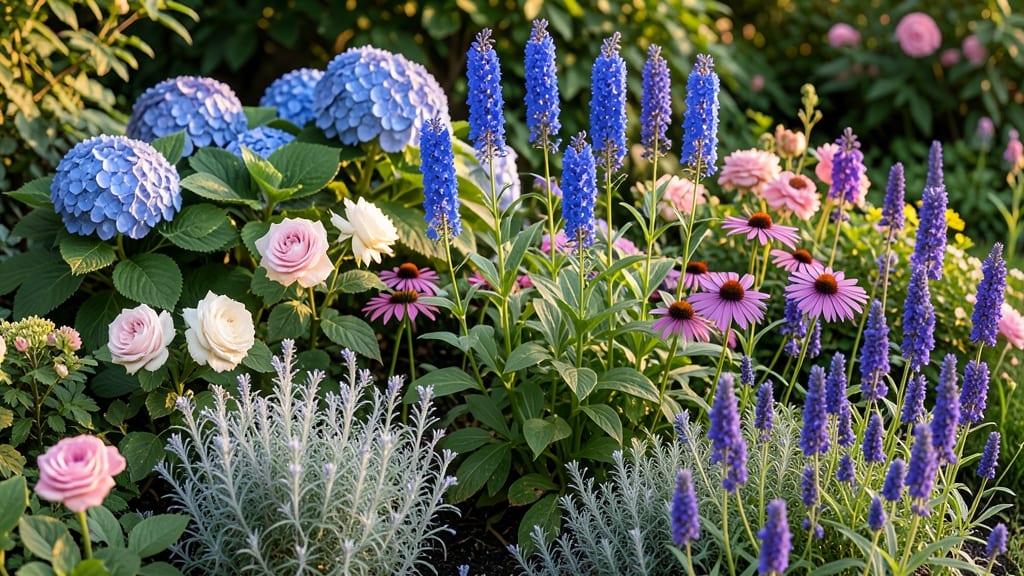
The Monty Don Garden Show provides proven gardening techniques that combine classic horticulture with eco-friendly practices to help gardeners grow vibrant plants all year long through expert planting advice and seasonal care.
The Monty Don Garden Show stands out by focusing on soil health as the foundation of successful gardening. Monty emphasizes organic matter, proper drainage, and plant compatibility to create thriving ecosystems. 🌱 His approach goes beyond mere aesthetics—it’s about building resilient gardens that require less intervention over time.
For example, his layered planting method ensures continuous blooms while supporting beneficial insects naturally.
What makes his advice particularly valuable is its seasonal adaptability. Whether you're tackling spring bulbs or winter-hardy vegetables, Monty's strategies are designed to work with nature's rhythms rather than against them. The show's practical demonstrations—like his famous composting techniques—make complex concepts accessible for gardeners of all skill levels.
💡 In This Article
- Monty Don’s Core Gardening Principles for Healthy Soil and Plants
- Seasonal Planting and Maintenance Tips from Monty Don’s Shows
Monty Don’s core gardening principles for healthy soil and plants
Monty Don’s gardening philosophy centers on soil biology—treating soil as a living ecosystem rather than just a growing medium. He stresses that healthy soil contains 5-10% organic matter (like compost or well-rotted manure), which improves water retention and nutrient availability.
Unlike conventional methods that rely on synthetic fertilizers, Monty’s approach focuses on feeding the soil, not just the plants. This creates a self-sustaining cycle where beneficial microbes break down organic material, releasing nutrients gradually over time. 🌱
One of Monty’s signature techniques is layered mulching, where he combines green manure crops (like clover or mustard) with straw or leaf mold to suppress weeds while enriching the soil.
For example, he often recommends planting comfrey in borders—its deep roots bring up nutrients from lower soil layers, while its leaves make excellent compost tea. The key difference from conventional gardening is his emphasis on minimizing disturbance; he avoids excessive digging, which can harm soil structure and beneficial organisms.
Instead, he uses no-dig methods to preserve the natural soil architecture.
Plant compatibility is another cornerstone of Monty’s method. He groups plants by their root depth and nutrient needs, ensuring that shallow-rooted herbs (like thyme) grow alongside deep-rooted perennials (like lavender) without competing for resources.
This polyculture approach mimics natural ecosystems, where different species support each other—like nitrogen-fixing plants (such as beans) improving soil for heavy feeders (like tomatoes). His famous "Monty’s Border" demonstrates this perfectly, blending flowers, vegetables, and herbs in harmonious layers. 🌿
Monty also champions seasonal soil preparation, such as adding well-rotted compost in autumn to feed worms and microbes over winter. He warns against over-fertilizing, which can lead to nutrient imbalances or even plant stress. For instance, too much nitrogen promotes leafy growth at the expense of flowers or fruit.
Instead, he advocates for balanced organic feeds, like homemade compost or seaweed extract, which provide a broad spectrum of nutrients while improving soil structure. This holistic approach reduces the need for chemical interventions and creates gardens that thrive with less effort over time.
What sets Monty’s principles apart is their sustainability focus. He often highlights how reducing water waste (through mulching) and encouraging biodiversity (by planting for pollinators) lead to long-term garden resilience.
For example, his "No Dig" vegetable plots retain moisture better, reducing irrigation needs by up to 30% compared to conventionally tilled soil. This aligns with his broader message: healthier soil equals healthier plants—and a healthier planet. 🌍
For home gardeners, implementing these principles starts with small, practical steps. Begin by auditing your soil—dig a small hole and observe its texture and smell (healthy soil should be crumbly and earthy, not compact or sour).
Then, introduce organic matter like leaf mold or homemade compost, and avoid heavy machinery that disrupts soil life. Over time, these adjustments will transform your garden into a self-regulating ecosystem, just as Monty demonstrates on his show. ✨