I remember the first tomato I grew from seed—it was tiny, red, and tasted like sunshine on a summer afternoon. That moment hooked me for life. Now, I spend my days digging into soil, chasing the perfect bloom, and sharing the little joys of gardening that make it all worthwhile. This site is where I pass along the lessons I’ve learned, the plants that thrive in my zone, and the quiet magic of watching something grow from nothing.
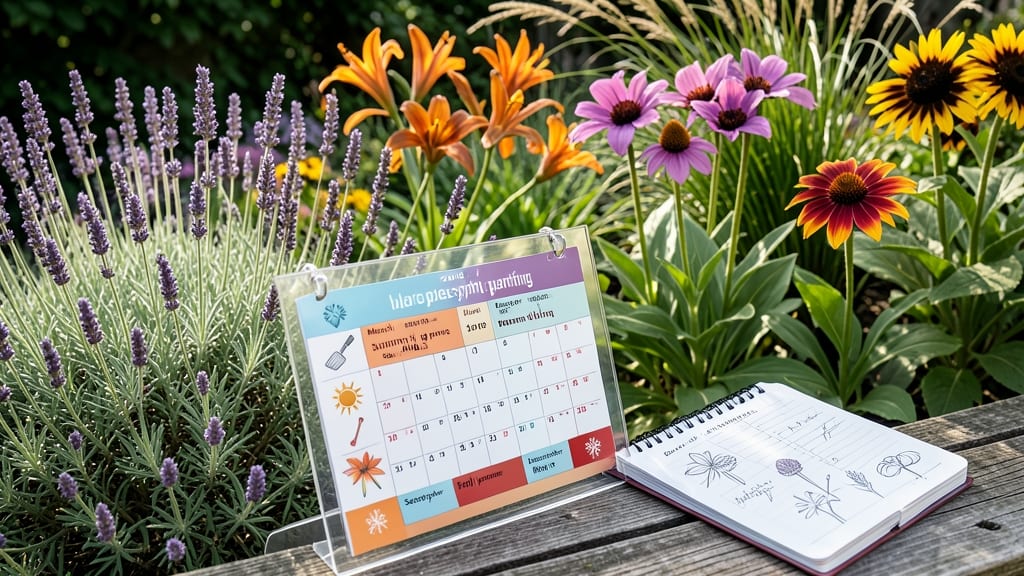
💥 Quick Answer A Zone 7 gardening calendar helps you time plantings and harvests by tracking average last frost dates (March 15–April 15), adjusting for warm-season vs. cool-season crops, and accounting for local…
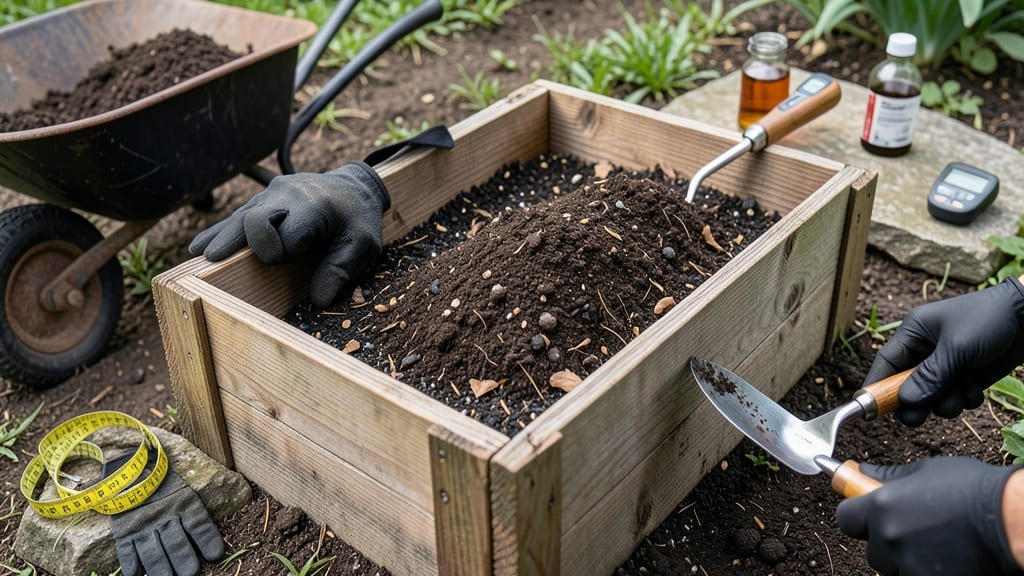
💥 Quick Answer For a 4x4 raised garden, you'll need 16 cubic feet of soil per inch of depth —so a 4-inch-high bed requires 64 cubic feet total. Calculate total volume by multiplying length × width × height (in feet)…
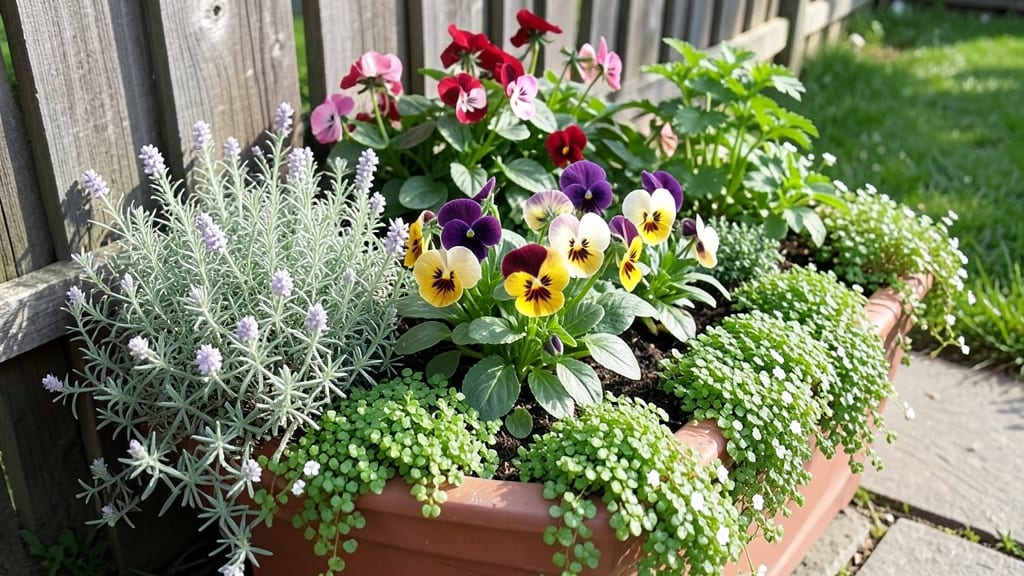
💥 Quick Answer Good little garden plants for small spaces include drought-resistant succulents like sedum and echeveria, fragrant herbs such as thyme and parsley, and low-maintenance perennials like hostas and lavender…
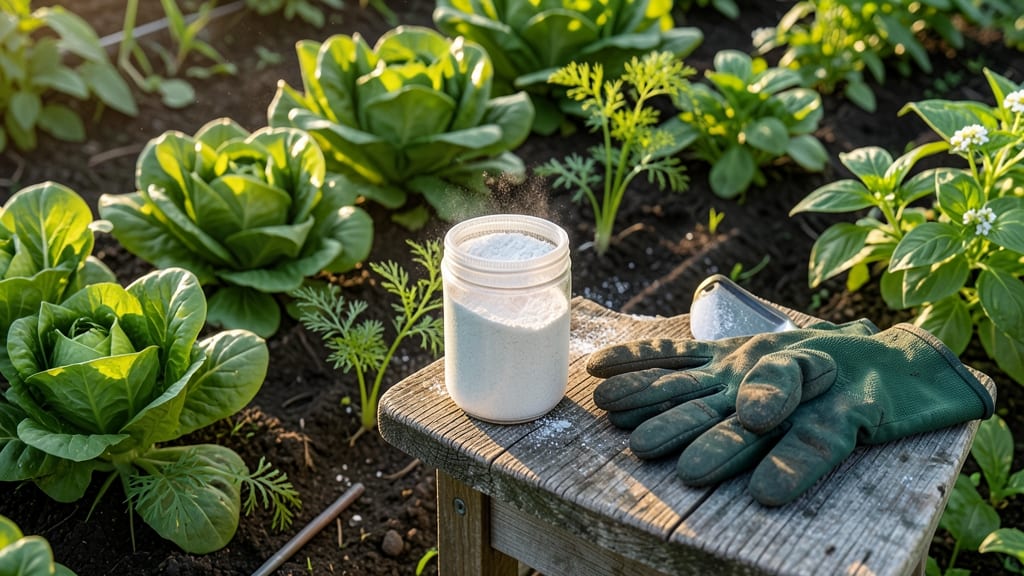
💥 Quick Answer You can put diatomaceous earth in your garden, but use food-grade DE carefully —apply it lightly around plants to control pests like slugs, ants, and aphids while keeping it away from leaves to protect…
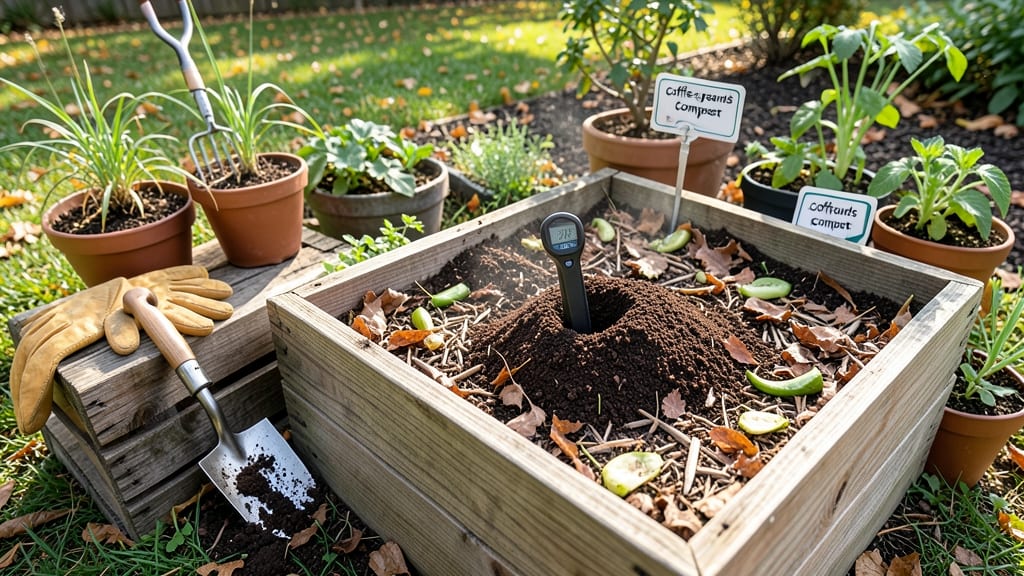
💥 Quick Answer Using Starbucks coffee grounds in your garden enriches soil with nitrogen, improves drainage, and boosts acid-loving plants like azaleas or blueberries—just mix them into compost or topsoil in moderation…
💥 Quick Answer Making gardenias deer-proof requires strategic deterrents like companion planting with lavender or marigolds, applying commercial repellents with strong scents (like predator urine or rotten egg…
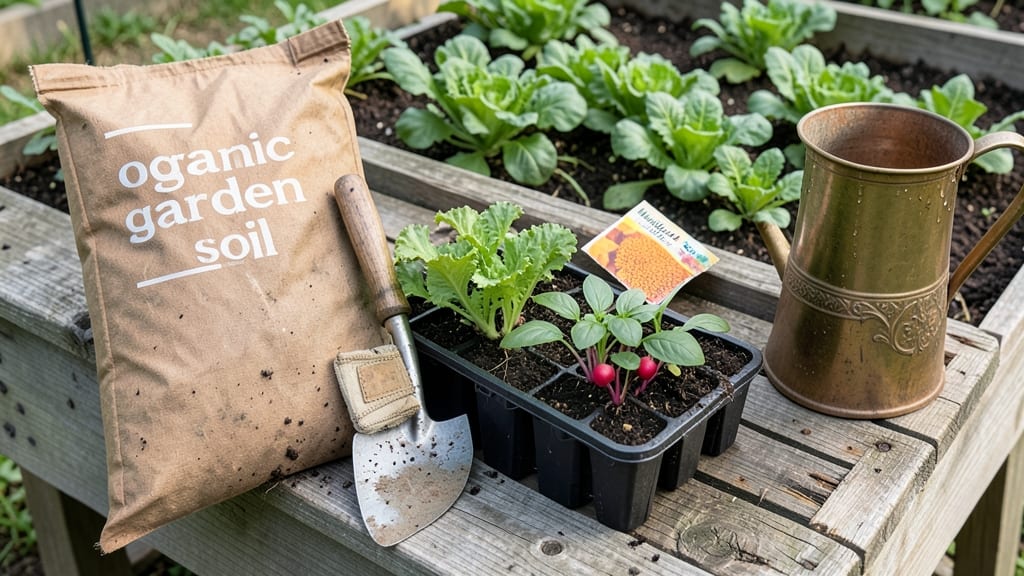
💥 Quick Answer Using potting soil in garden beds enhances root growth through better drainage and aeration, but it must be blended carefully (20-30%) with native soil to prevent nutrient deficiencies. This method works…
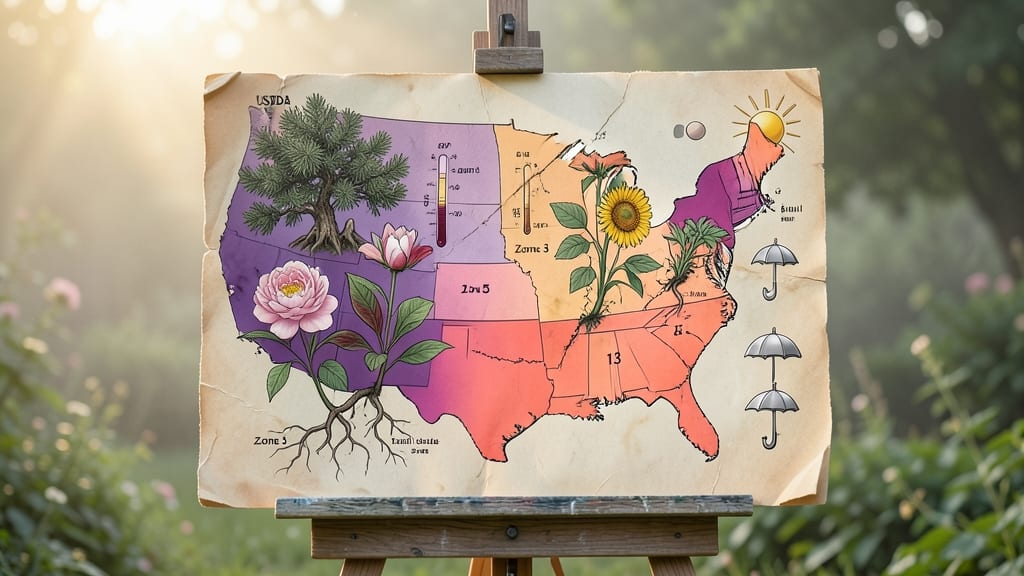
💥 Quick Answer US climate zones for gardening categorize regions by frost risk and temperature ranges, using the USDA Plant Hardiness Zone Map to determine when to plant, what grows best, and how to protect tender crops…
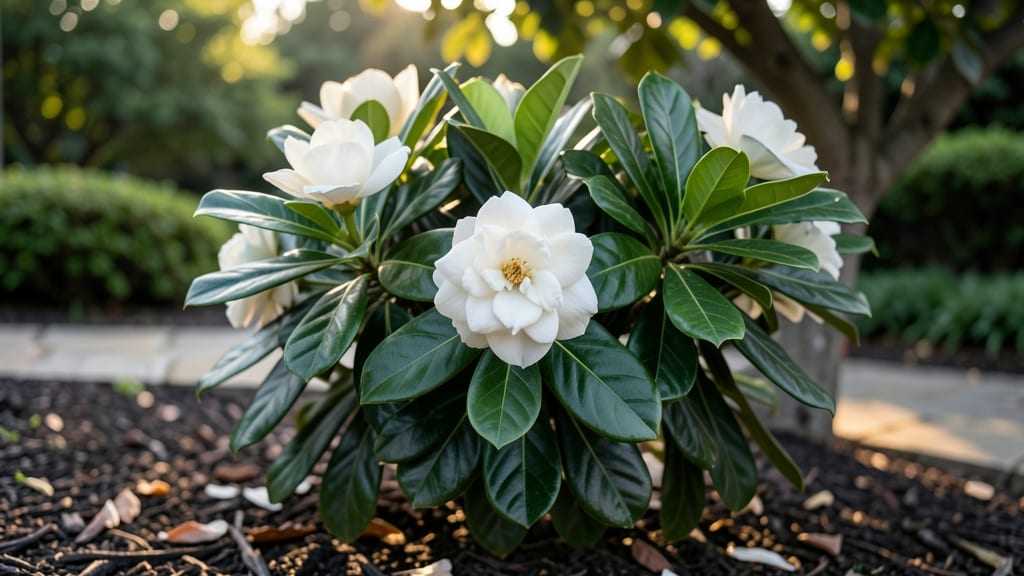
💥 Quick Answer Gardenias smell exceptionally good, producing a rich, creamy, and intoxicating floral fragrance that’s often described as sweet, tropical, and slightly citrusy—most intense at night and in warm…
💥 Quick Answer Garden Zone 7 covers the Southeast and Midwest U.S., where frost-free periods typically begin between late February and early April for spring planting and last from mid-September through November for…