
Orchid Care
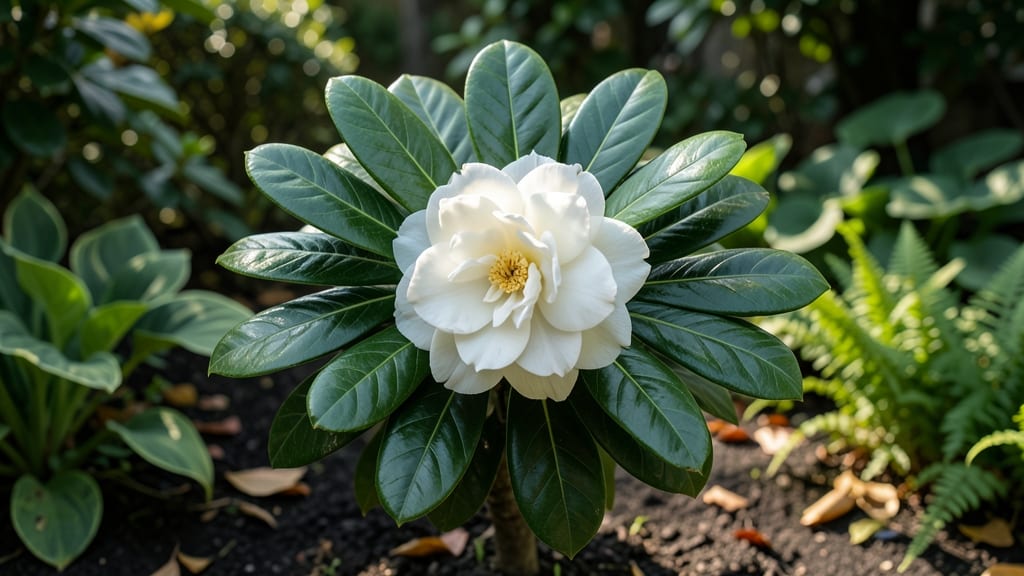
Gardenias are perennials in warm climates (USDA Zones 8-11), thriving year-round with consistent care, but they behave like annuals in colder regions, losing foliage and requiring winter protection to survive. In frost-prone areas, gardeners often treat them as tender perennials.
Whether gardenias return year after year depends entirely on your local climate.
In frost-free zones, these fragrant shrubs establish deep root systems and regrow reliably each spring, rewarding gardeners with seasonal blooms. 🌸 However, gardenias in cooler regions face a different challenge—they enter dormancy when temperatures drop, and without proper protection, they won't bounce back.
The key difference lies in their resilience: while true perennials like roses can handle occasional freezes, gardenias need consistent warmth to maintain their perennial nature.
For those in marginal zones (like Zone 7), strategic overwintering—such as moving potted plants indoors or heavily mulching in-ground specimens—can extend their lifespan. The distinction between annuals and perennials here is more about care than biology, since gardenias can return if given the right conditions.
Think of them as "conditional perennials" that need help surviving winter.
💡 In This Article
- Gardenia Plant Lifespan in Different Climates
- Winter Care Tips for Gardenias in Cold Regions
Gardenia plant lifespan in different climates
Gardenias (Gardenia jasminoides) are tropical/subtropical plants with a natural growth cycle that reveals their true perennial nature in warm climates. In USDA Zones 8-11, where winter temperatures rarely drop below 20°F, gardenias maintain evergreen foliage year-round, growing continuously with proper care.
Their woody stems develop over time, creating a shrub that can live for decades with minimal intervention. The key mechanism here is their deep root system, which extends 3-5 feet below ground, allowing them to access moisture and nutrients even during dry spells.
The perennial behavior becomes obvious in their growth patterns.
In frost-free zones, gardenias typically bloom twice annually—once in spring and again in fall—with new growth emerging from the same root system each season. 🌿 This contrasts sharply with their behavior in colder climates, where they experience complete leaf drop (deciduous) and may appear dormant.
The difference lies in temperature thresholds: gardenias begin suffering damage when exposed to 32°F for prolonged periods, which triggers their defensive dormancy response.
In cooler regions, gardenias exhibit what botanists call "tender perennial" characteristics. While they don't have the hardiness of true perennials like boxwoods, their root systems remain viable through winter if protected.
The critical factor is soil temperature—roots can survive brief exposures to 25°F if insulated by organic mulch, but prolonged freezing kills them. This is why gardeners in Zones 7 and below often treat them as annuals: without intervention, they won't regenerate from the same rootstock.
What makes this particularly interesting is how gardenias adapt their growth strategies. In warm climates, they allocate energy to both vegetative growth and flowering simultaneously. In colder areas, they redirect resources to root development during the growing season, storing carbohydrates for potential regrowth.
This explains why properly overwintered gardenias in marginal zones can sometimes return stronger than ever—they've essentially been "training" for perennial behavior through careful cultivation.
Consider this comparison: A gardenia in Florida (Zone 10) might reach 6-8 feet tall with minimal care, while one in New York (Zone 6) would max out at 3-4 feet unless given special winter protection.
The plant's biology hasn't changed—just its environmental context. This adaptability is what makes gardenias such fascinating subjects for gardeners in transitional climates.
For those pushing the limits, the 10°F threshold is the absolute minimum for gardenia survival. Below this, even protected plants may experience root dieback. The good news?
With proper overwintering techniques—like container growing or deep mulching—many gardeners successfully maintain their plants for multiple years in zones where they'd otherwise be considered annuals.