I remember the first tomato I grew from seed—it was tiny, red, and tasted like sunshine on a summer afternoon. That moment hooked me for life. Now, I spend my days digging into soil, chasing the perfect bloom, and sharing the little joys of gardening that make it all worthwhile. This site is where I pass along the lessons I’ve learned, the plants that thrive in my zone, and the quiet magic of watching something grow from nothing.
💥 Quick Answer Gardening is important at Appcyard because it actively reduces stress, sharpens focus, and creates meaningful nature connections—all of which we integrate into our guided plant-care routines to boost…
💥 Quick Answer Victory gardens were important because they boosted World War II food supplies by producing fresh vegetables, reducing reliance on commercial farms, and conserving shipping resources for military needs…
Winter protection for garden is the key to saving your plants—and your sanity—when temperatures plunge. Freezing temperatures can turn your thriving garden into a winter wasteland—but the right plant wraps and protective…
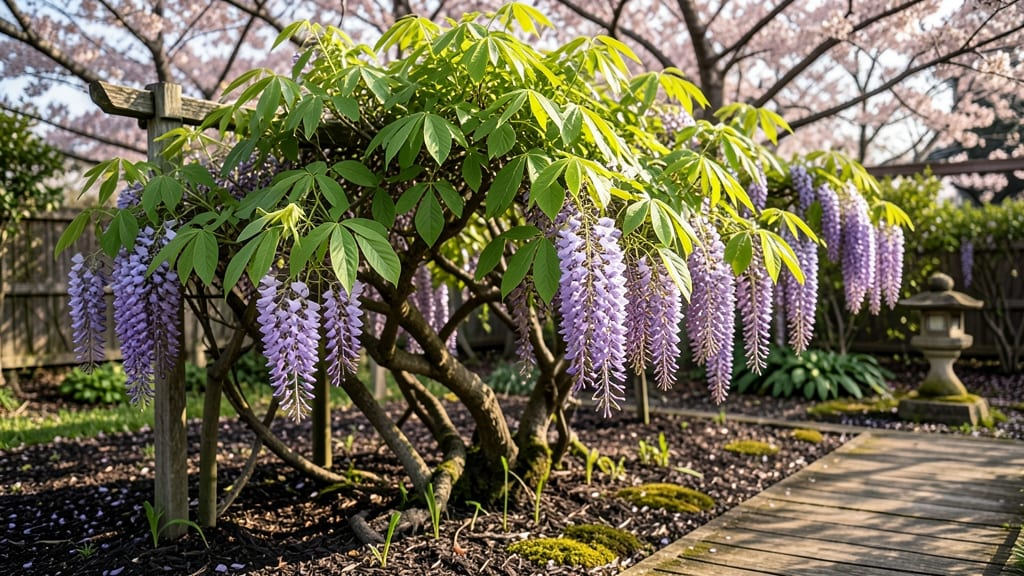
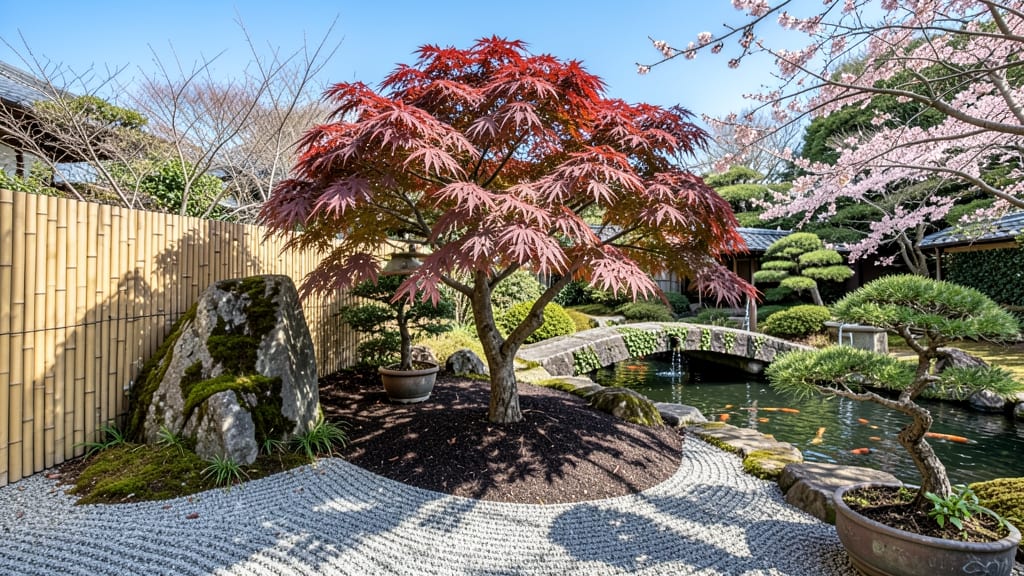
💥 Quick Answer Wisteria in Japanese gardens thrives with strategic pruning to encourage dense, seasonal blooms, requiring selective cutting after flowering to maintain structure and vigor while promoting new growth for…
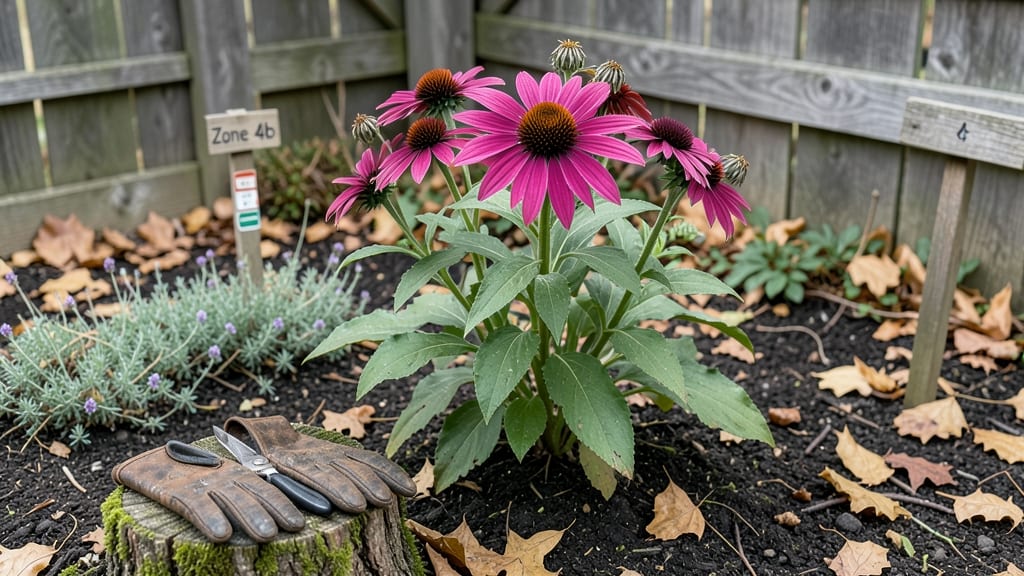
💥 Quick Answer Zone 4B gardening thrives with cold-hardy plants like coneflowers, Russian sage, and winter wheat, while last frost dates typically range from May 10-20 and first frosts arrive October 5-15. Focus on…
💥 Quick Answer Understanding DC's garden zone (USDA Zone 7b-8a) is key to timing your plantings: expect last frost dates between April 15–20 for spring crops, with first frost arriving October 15–20 . Microclimates can…
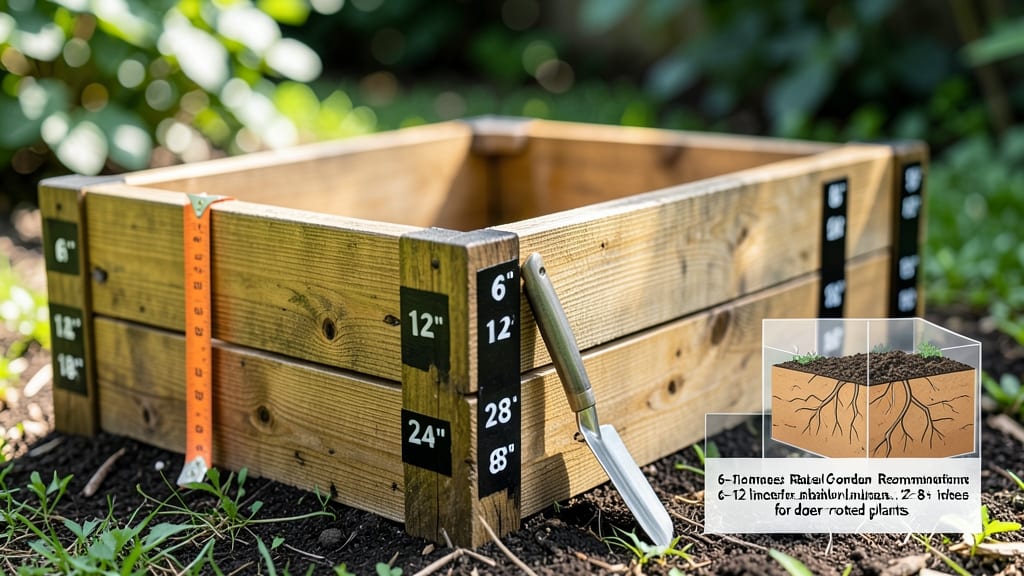
💥 Quick Answer Determining how tall a raised garden bed should be depends on your plants' root needs and drainage goals—aim for 12 to 18 inches for most vegetables, though taller beds (up to 24 inches) are ideal for…
💥 Quick Answer A Japanese garden in LA provides peaceful retreats through thoughtfully crafted Zen spaces, serene koi ponds, and carefully curated greenery, such as the iconic Getty Garden or the historic Japanese…
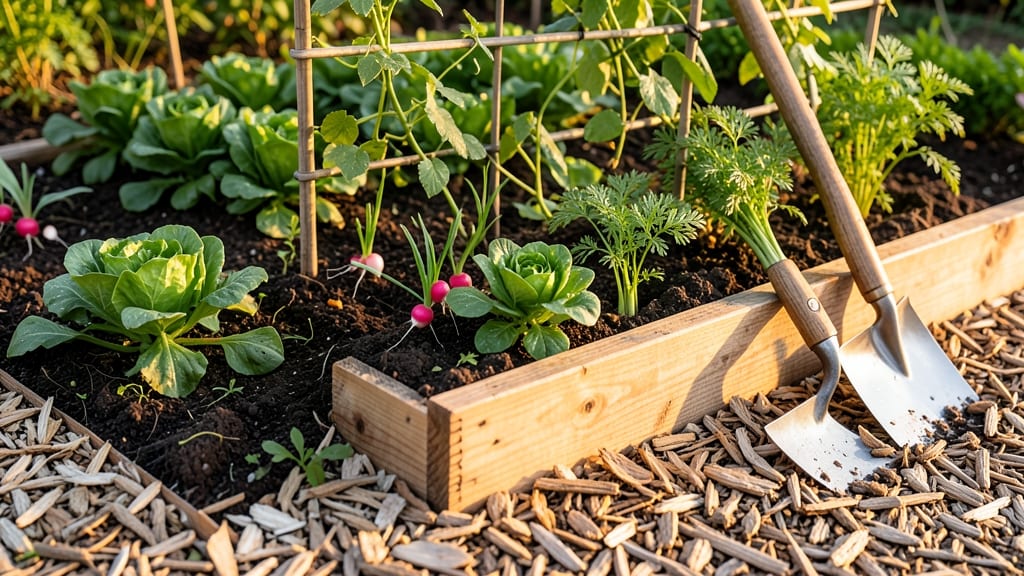
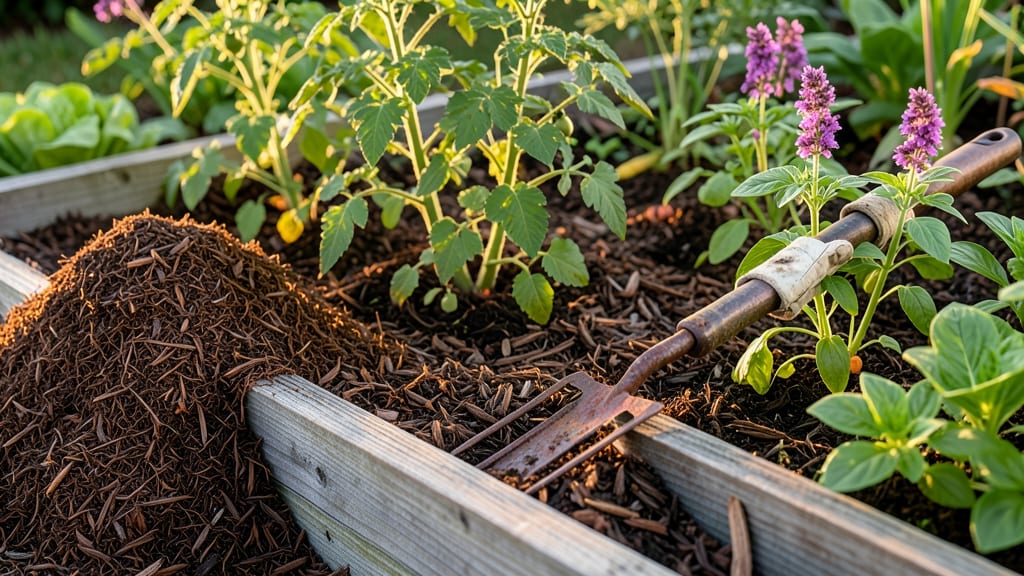
💥 Quick Answer You should put mulch in your vegetable garden to boost soil health, as it locks in moisture, blocks weeds, and keeps soil temperatures stable—but keep layers thin near plant stems to prevent rot or pest…