
Planting
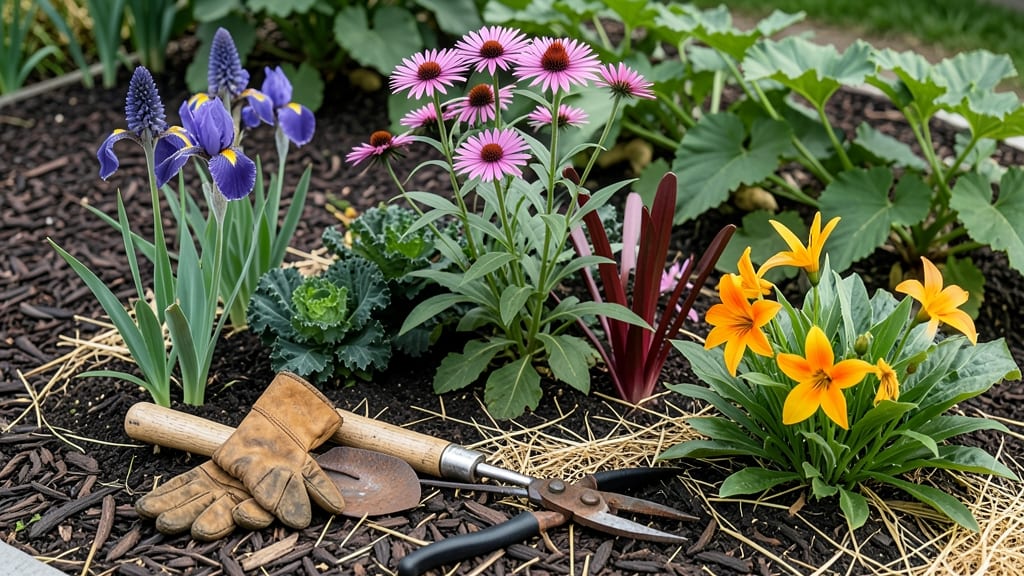
Zone 5B gardening thrives with cold-resistant plants that handle temperatures between -15°F and -10°F, featuring hardy perennials like coneflowers and hostas alongside vegetables such as kale and spinach. For optimal growth, plant cool-season crops in early spring or late summer.
Zone 5B's unique climate—marked by long winters and short growing seasons—demands smart plant selection. 🌱 The key is choosing varieties that not only survive but thrive in these conditions, like Russian sage or black-eyed Susans, which bloom reliably despite the cold.
Timing matters too: starting seeds indoors 6-8 weeks before the last frost (typically around April 15 in most 5B areas) gives them a head start. Many gardeners also take advantage of late summer's warmth to plant cool-season crops like broccoli or lettuce, which mature before frost sets in.
What sets Zone 5B apart is its microclimate variations. A south-facing slope may stay warmer than a low-lying area, allowing for slightly earlier planting. Mulching with straw or leaves in fall helps insulate soil, while row covers extend the growing season into late autumn.
These small adjustments can mean the difference between a barely surviving plant and one that produces abundantly year after year.
💡 In This Article
- Understanding Zone 5B Climate and Plant Hardiness
- Best Zone 5B Plants for Perennials, Vegetables, and Flowers
Understanding zone 5B climate and plant hardiness
Zone 5B's climate is defined by its average annual minimum temperature range of -15°F to -10°F, which creates a unique set of challenges and opportunities for gardeners.
The USDA Plant Hardiness Zone Map divides North America into 13 zones based on cold tolerance, and 5B sits between Zone 5A (-20°F to -15°F) and Zone 6A (-10°F to -5°F).
This means gardeners in 5B experience longer winters and shorter growing seasons compared to warmer zones, but with slightly more frost tolerance than Zone 5A. The key is selecting plants that can withstand these temperatures while still thriving in the moderate summers that typically reach 75-85°F.
The timing of frost is critical in Zone 5B. Most regions experience their last spring frost around April 15, though this can vary by 5-10 days depending on elevation and local microclimates.
For example, areas near large bodies of water may have later frosts due to water's heat retention, while inland regions can warm up faster. Conversely, the first fall frost usually arrives between October 15 and November 1, giving gardeners roughly 150-180 frost-free days to work with.
This limited window demands careful planning—cool-season crops must be planted early or late, while warm-season plants need to mature quickly or be started indoors.
Soil temperature and composition play a huge role in plant survival. In Zone 5B, soils often remain cold for extended periods, which can delay seed germination.
A good rule of thumb is to wait until the soil reaches at least 50°F before planting most vegetables. Organic matter like compost improves drainage and warmth retention, while mulching with straw or leaves in fall insulates roots against freezing temperatures.
Some gardeners also use black plastic mulch in spring to raise soil temperatures faster, creating microclimates that extend the growing season by 1-2 weeks.
Microclimates are another critical factor in Zone 5B gardening. A south-facing wall or slope can create a warmer niche where tender plants like tomatoes or peppers might survive a few degrees colder than the surrounding area.
Conversely, low-lying spots or shaded areas stay colder longer, making them ideal for cold-hardy crops like spinach or kale. Paying attention to these variations allows gardeners to push the limits of what can grow in their specific location.
For instance, in my own Zone 5B garden, I've successfully grown Swiss chard well into November by planting it near a south-facing fence, where it benefits from reflected heat.
Plant hardiness isn't just about surviving winter—it's also about recovering from spring freezes. Many Zone 5B gardeners use row covers or cloches to protect young plants from late frosts, which can occur as late as May 10 in some areas.
These protective measures can mean the difference between a thriving garden and lost crops. For example, broccoli planted too early may bolt (flower prematurely) if exposed to temperatures above 75°F, while spinach planted too late may not mature before frost.
The sweet spot is often 6-8 weeks before the last frost for cool-season crops.
Here's what's actually happening at the cellular level: Cold-hardy plants produce antifreeze proteins that prevent ice crystals from forming in their cells, while others go dormant by converting starches into sugars that act as natural antifreeze.
This biological adaptation is why Russian sage or crabapple trees can survive -20°F with proper care, while tender plants like hibiscus or bougainvillea will die back to the ground in Zone 5B winters. Understanding these mechanisms helps gardeners choose plants that align with their climate's natural rhythms.
For gardeners new to Zone 5B, the best approach is to start small with proven cold-hardy varieties and gradually experiment. Keep a garden journal to track frost dates, soil temperatures, and plant performance—this data becomes invaluable over time.
For example, I've noticed that purple basil survives my Zone 5B winters when planted in containers and moved to a sheltered spot, while regular basil dies back completely. These small observations can lead to bigger successes in the garden. 🌿