
Pests
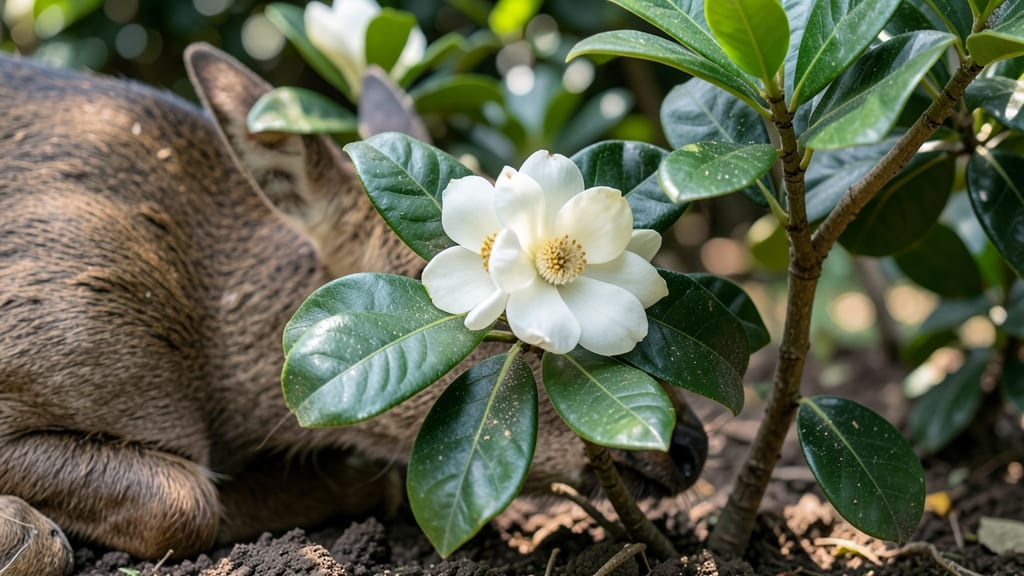
Deer eat gardenia plants, often targeting their glossy leaves and tender shoots, especially during late spring and summer when food is scarce. Their browsing can stunt growth or kill young plants if left unchecked.
Gardenias are particularly vulnerable because their thick, juicy leaves and tender new growth provide both nutrition and moisture for deer during dry periods. 🌿 In my experience, deer prefer gardenias over other shrubs in drought-prone areas where native vegetation becomes sparse.
The glossy foliage also makes them stand out, signaling to deer that they're an accessible food source. Young gardenia plants are especially at risk since their smaller size makes them easier for deer to reach and consume entirely.
This isn't just about the leaves - deer will also nibble on gardenia flowers when they're in bloom, which can significantly reduce both the plant's aesthetic value and its ability to reproduce.
The damage often appears as jagged edges on leaves or completely stripped branches, which can be devastating for gardeners who've invested time in cultivating these prized shrubs.
What makes this particularly frustrating is that gardenias are already slow growers. When deer repeatedly feed on them, the plants struggle to recover, sometimes taking years to regain their former vigor. This makes proactive protection essential for anyone growing gardenias in deer-populated areas.
💡 In This Article
- Why Deer Are Attracted to Gardenia Shrubs
- Effective Deer-Resistant Gardenia Protection Methods
Why deer are attracted to gardenia shrubs
Deer have a natural preference for broadleaf plants like gardenias because their leaves contain high moisture content and soft, easily digestible nutrients. Gardenias, with their thick, succulent foliage, provide an ideal food source during dry seasons when native grasses become brittle and less appealing.
The leaf texture—smooth and slightly leathery—offers deer both hydration and easy consumption, especially when compared to tougher, fibrous plants.
Seasonal patterns play a huge role in deer feeding behavior. During late spring and summer, when gardenias are in active growth, deer target tender new shoots and leaves because they're packed with nitrogen-rich compounds that aid in the deer's own growth during mating season.
Studies show that deer consume up to 20% more vegetation during these months due to increased nutritional demands. The glossy sheen of gardenia leaves also makes them visually stand out to deer, signaling freshness and accessibility.
Regional factors further influence this behavior. In drought-prone areas or regions with sparse native vegetation, gardenias become a high-value food source for deer. Their deep root systems allow them to access groundwater, maintaining lush foliage even when surrounding plants wilt.
This makes gardenias a reliable food option when other choices diminish. The plant's height—typically 3-6 feet—also places its leaves at an ideal browsing height for deer.
What most gardeners don't realize is that deer aren't just eating the leaves—they're also drawn to the plant's natural fragrance. Gardenias produce a subtle, sweet scent that can attract deer from distances up to 50 feet, especially during dawn and dusk when deer are most active.
This sensory appeal, combined with the plant's nutritional value, creates a perfect storm of attractiveness for browsing deer.
The damage pattern reveals deer's feeding habits: they typically leave behind jagged edges on leaves rather than clean cuts, as they often pull leaves partially off rather than consuming them entirely.
Young gardenias are particularly vulnerable because their smaller stature makes them easier for deer to reach and consume completely, sometimes leading to plant death within a single browsing session.
Interestingly, deer show less interest in gardenias when they've established strong root systems and develop woody stems—this typically occurs after 3-5 years of growth. The key window for protection is during the plant's first two years when it's most susceptible to deer damage.
Understanding this lifecycle helps gardeners time their protective measures most effectively.