
Planting
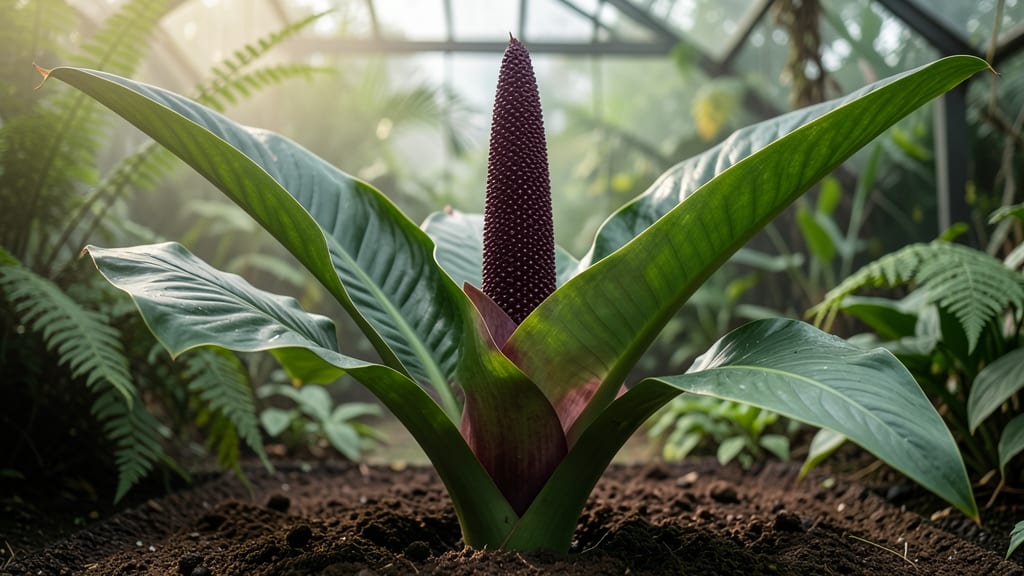
A smelly plant botanical garden features pungent flora like skunk cabbage, corpse flower, or stinkhorn mushrooms, which use their strong odors to deter pests, lure pollinators, or break down organic matter. These plants often release smells resembling decay or sulfur as part of their natural survival strategies.
A botanical garden dedicated to these aromatic plants isn't just about the smell—it's a living science experiment. 🌿 These plants evolved to produce compounds like dimethyl disulfide (which smells like rotten onions) or mercaptans (found in skunk spray) to manipulate their environment.
For example, the corpse flower releases heat and a cadaver-like stench to attract flies for pollination, while stinkhorn mushrooms use their foul odor to spread spores. The garden becomes a fascinating study in how nature uses chemistry for survival.
The design of such a garden requires careful planning. Most of these plants thrive in humid, tropical climates with rich, well-draining soil, but some like the skunk cabbage can handle wetter conditions.
To minimize odor spread, I recommend planting them in isolated sections with strong airflow, and using companion plants like mint or rosemary to mask scents. Always wear gloves when handling these plants—their oils can irritate skin, and some, like the corpse flower, contain toxins.
💡 In This Article
- How Smelly Plants Use Odor for Survival
- Designing a Botanical Garden with Stinky Plants
How smelly plants use odor for survival
The chemical warfare of these plants begins with specialized compounds like dimethyl disulfide, which smells like rotten onions, or mercaptans, the same sulfur-based molecules found in skunk spray. These volatile organic compounds (VOCs) are produced in specialized glands or through microbial interactions in the soil.
For instance, the corpse flower (Amorphophallus titanum) releases ethyl mercaptan and cadaverine, mimicking the scent of decaying flesh to attract carrion flies for pollination. Its blooming process even generates heat up to 89°F (32°C), further simulating a rotting carcass. 🌱
Pest deterrence works through a different chemical strategy. Skunk cabbage (Symplocarpus foetidus) emits a foul odor from its leaves to repel herbivores, while its flowers produce heat to melt snow and attract early-season pollinators like beetles.
The stinkhorn mushroom (Phallaceae family) takes this further by growing a slimy, foul-smelling cap that spreads spores via flies. These plants have evolved to exploit the natural behaviors of insects and mammals, turning their environment into a scent-based ecosystem where smell equals survival.
The key mechanism? Their odors trigger instinctual responses—flies are drawn to the smell of death, while herbivores avoid what smells like a chemical warning.
For carnivorous plants like the Venus flytrap (Dionaea muscipula), odor plays a secondary but critical role. While they primarily use visual cues and mechanical traps, some species release faint sulfur compounds to attract prey like gnats and flies.
The stench isn't as strong as in corpse flowers, but it's enough to lure insects into the trap's vicinity. This dual strategy—visual attraction combined with subtle scent—maximizes their hunting efficiency. 🦋 The takeaway?
These plants don't just smell bad for the sake of it; their odors are finely tuned survival tools, each serving a specific ecological purpose.
What most people don't realize is how these plants manipulate microbial communities. The corpse flower, for example, releases compounds that encourage bacterial growth around its base, creating a biofilm that further enhances its rotting-flesh aroma.
This microbial interaction isn't just about smell—it also helps break down organic matter, giving the plant a head start in nutrient acquisition. The symbiotic relationship between plant, bacteria, and fungi creates a self-sustaining cycle that amplifies the plant's survival advantages.
Consider the stinkhorn mushroom's life cycle as another masterclass in odor-based strategy. Its cap contains a gelatinous mass that smells like rotting meat, but the real magic happens underground. The mushroom's mycelium releases spores that germinate only in the presence of specific bacteria, which then produce the foul odor.
This two-step process ensures the spores are only released when conditions are perfect for attracting flies—another example of how these plants use chemistry to control their own reproduction. 🌑
If you're designing a garden with these plants, understanding these mechanisms helps explain why some species thrive in specific microclimates.
For example, the corpse flower's heat production means it needs high humidity to maintain its temperature differential, while skunk cabbage's wetland habitat is essential for its sulfur-based defense compounds to activate properly.
These aren't just plants with bad smells—they're living laboratories of evolutionary chemistry, where every odor has a purpose. 🔬