
Companion Plants
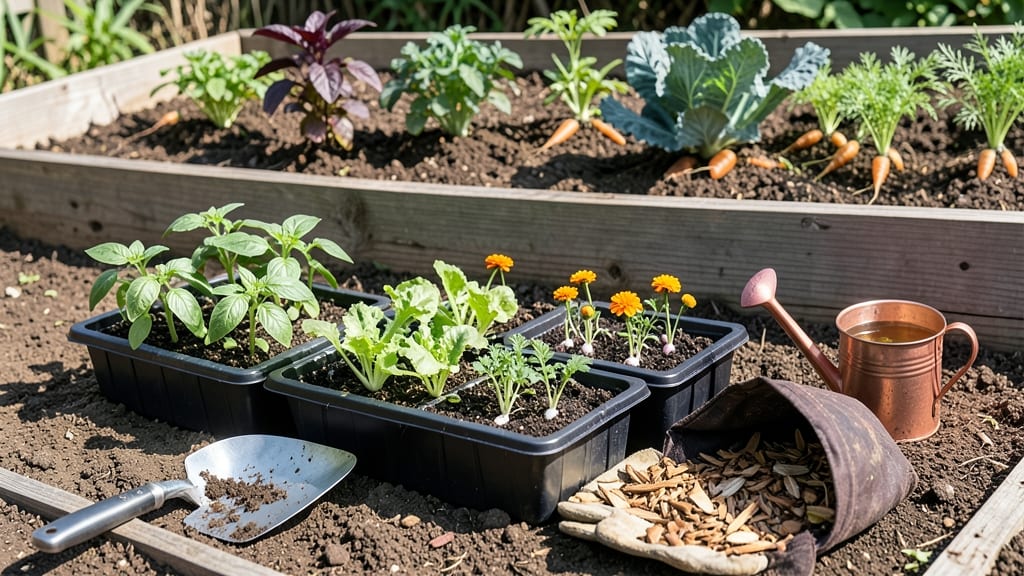
To plant your garden in Illinois, time it by crop type: cool-season vegetables like spinach and peas thrive in early spring (March–April) or fall (September–October), while warm-season plants such as tomatoes and peppers should wait until after the last frost (mid-April to May). Always verify your hardiness zone (5–7) and soil temperature for accurate timing.
Timing your garden in Illinois isn't just about the calendar—it's about understanding your local climate patterns. Hardiness zones 5a–7b across the state mean frost dates vary from mid-April in northern areas to late March in southern regions. 🌱 For example, Chicago's Zone 5b typically sees its last frost around May 10, while St. Louis' Zone 6a can plant warm-season crops by April 20.
Soil temperature matters more than air temperature: wait until the ground reaches 60°F for warm-season plants to ensure strong root development.
Pro tip: Use succession planting to extend harvests—sow quick-growing lettuce every 2 weeks in spring and fall.
I always test soil moisture with my finger before watering; overwatering is the #1 killer of young seedlings. Container gardens give you more control over timing, especially in urban areas where microclimates can create unexpected frost pockets.
💡 In This Article
- Illinois Hardiness Zones and Frost Dates for Planting Schedules
- Best Planting Calendar for Illinois Gardens by Season
Illinois hardiness zones and frost dates for planting schedules
Illinois spans hardiness zones 5a–7b, which means frost timing varies dramatically across the state. Northern regions like Chicago (Zone 5b) typically experience their last spring frost around May 10, while southern areas like St. Louis (Zone 6a) can plant warm-season crops by April 20.
The key difference lies in how quickly soil warms—warm-season plants like tomatoes need ground temperatures above 60°F, which often lags behind air temperature by 2–3 weeks.
Here's what's actually happening: frost forms when air temperatures drop below 32°F, but soil temperature remains higher due to insulation from organic matter and moisture.
For example, in Zone 5a (northern Illinois), soil may stay below 50°F until late April, delaying planting of peppers and eggplants. 🌱 This is why seed packets often recommend waiting until 2 weeks after the average last frost date—it accounts for unpredictable late frosts and slower soil warming in cooler zones.
Microclimates add another layer of complexity. Urban areas like Chicago experience "urban heat islands", where pavement and buildings create 5–10°F warmer microclimates than rural areas just 10 miles away. This can mean 1–2 weeks earlier planting in city gardens.
Conversely, low-lying areas or valleys may hold frost longer, requiring gardeners to monitor local weather stations or use frost cloth for early plantings.
What most people don't realize is that soil temperature gauges (available at garden centers) are more reliable than frost date charts. For instance, in Zone 6b, air might reach 70°F by April 15, but soil may still be 45°F.
Planting warm-season crops too early leads to poor germination and weak seedlings. The USDA Plant Hardiness Zone Map provides a baseline, but local agricultural extension offices often publish hyper-local frost data that's far more precise.
Consider these key factors when planning:
- Zone 5a (North): Last frost May 15; wait until May 20 for tomatoes
- Zone 6a (Central): Last frost April 25; plant peppers by May 5
- Zone 7b (South): Last frost March 25; can plant warm crops by April 10
Pro tip: Use row covers to extend your growing season by 2–4 weeks in cooler zones. I've seen gardeners in Zone 5b plant spinach under covers in March and harvest by April 15, beating the typical April 20 planting window.
The trade-off? You'll need to remove covers during daytime to prevent overheating above 85°F. 🌿
For the most accurate timing, combine zone data with local frost records (check your county extension office) and soil temperature measurements.
In my own garden journal, I've documented 3-year averages for frost dates—this year's May 8 frost in Zone 5b was an outlier, but knowing my historical data helped me adjust planting dates accordingly.