
Pests and Diseases
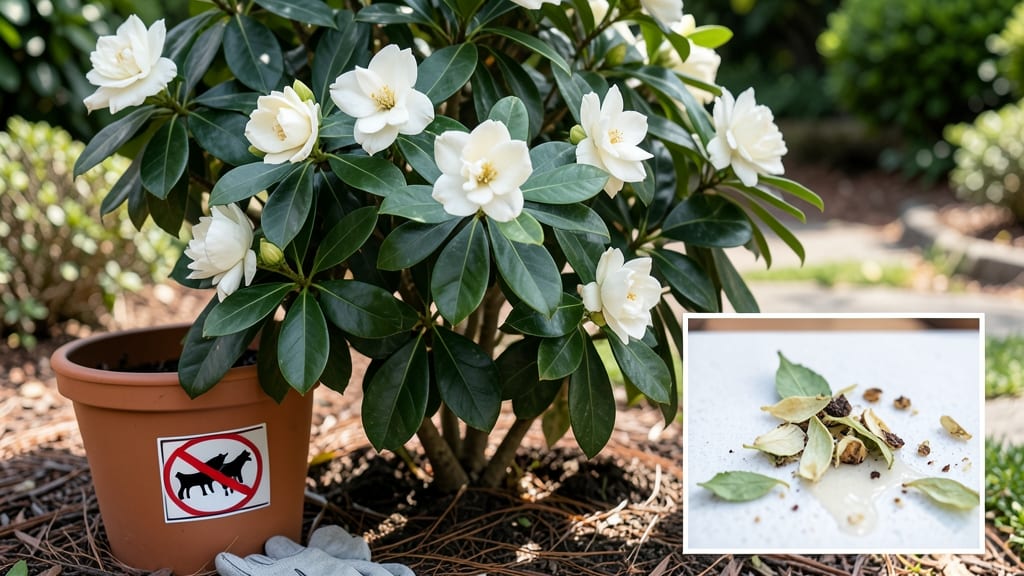
Gardenias are poisonous to humans and pets, containing toxic compounds like saponins and glycosides that can cause nausea, vomiting, and skin irritation upon ingestion or contact. Keep them out of reach of children and animals.
Gardenias contain natural toxins that can trigger allergic reactions or digestive upset, especially when leaves or flowers are chewed or ingested. 🌸 The severity depends on dosage—small amounts might cause mild stomach discomfort, while larger exposures could lead to more serious symptoms like dizziness or difficulty breathing.
I always recommend wearing gloves when handling gardenias and placing them in high areas where pets can't reach, since cats and dogs are particularly sensitive to these compounds.
Even the beautiful fragrance comes with risks—some people experience skin irritation just from touching the plant, while others might react to airborne particles. If you suspect poisoning, rinse the affected area immediately and seek medical advice.
The good news? Gardenias are generally safe when enjoyed in moderation as cut flowers in sealed vases, as long as no one handles the stems or leaves.
💡 In This Article
- Toxic Compounds in Gardenias and Their Effects
- Safe Gardenia Handling and Pet-Proofing Tips
Toxic compounds in gardenias and their effects
The gardenia plant contains two primary toxic compounds: saponins and glycosides. Saponins are naturally occurring chemicals that create a soapy lather when mixed with water, which is why they irritate mucous membranes in the mouth, throat, and digestive tract.
These compounds disrupt cell membranes, leading to inflammation and irritation. 🌿 Glycosides, on the other hand, interfere with cellular respiration, which can cause more severe symptoms like cardiac issues in extreme cases.
When ingested, even small amounts of gardenia leaves or flowers can trigger symptoms within 30 minutes to 2 hours. Children and pets are especially vulnerable because their smaller body weight means a lower threshold for toxicity.
For example, a 1-ounce ingestion of gardenia leaves (about 2-3 leaves) could cause mild stomach upset in an adult, while the same amount might lead to vomiting or diarrhea in a 20-pound dog.
The severity escalates with larger doses, potentially causing dizziness, weakness, or even respiratory distress in extreme cases.
Skin contact is another common exposure route. The oils in gardenia leaves can cause dermatitis—a red, itchy rash—that appears within hours of contact. This happens because the saponins break down skin cells, triggering an immune response.
I’ve seen gardeners develop mild rashes after pruning without gloves, so it’s always best to wear protective gear when handling these plants. 💛 The fragrance itself isn’t typically harmful, but inhaling crushed leaves or flowers can irritate the respiratory tract, especially for people with allergies or asthma.
Livestock and wildlife are also at risk. Cattle or goats grazing on gardenia plants may experience digestive upset, while birds might avoid them due to the bitter taste caused by the glycosides.
The toxicity isn’t usually fatal unless consumed in very large quantities, but it’s still a serious concern for curious pets or children who might nibble on leaves while playing outdoors.
What makes gardenias particularly dangerous is their appealing appearance. The glossy, dark green leaves and fragrant white flowers can tempt pets or kids to investigate, only to suffer unpleasant side effects afterward.
Unlike some toxic plants that have a bitter taste, gardenias have a mild, slightly sweet aroma that masks their danger. This is why awareness and prevention are critical—always assume gardenias are off-limits until proven otherwise.
If you suspect poisoning, act fast. Rinse the mouth with water if ingestion occurred, and contact a veterinarian or poison control center immediately. For skin exposure, wash the affected area with soap and water to remove residual toxins.
Understanding these compounds helps you appreciate the beauty of gardenias while keeping your family and pets safe from harm. 🌸