
Tools
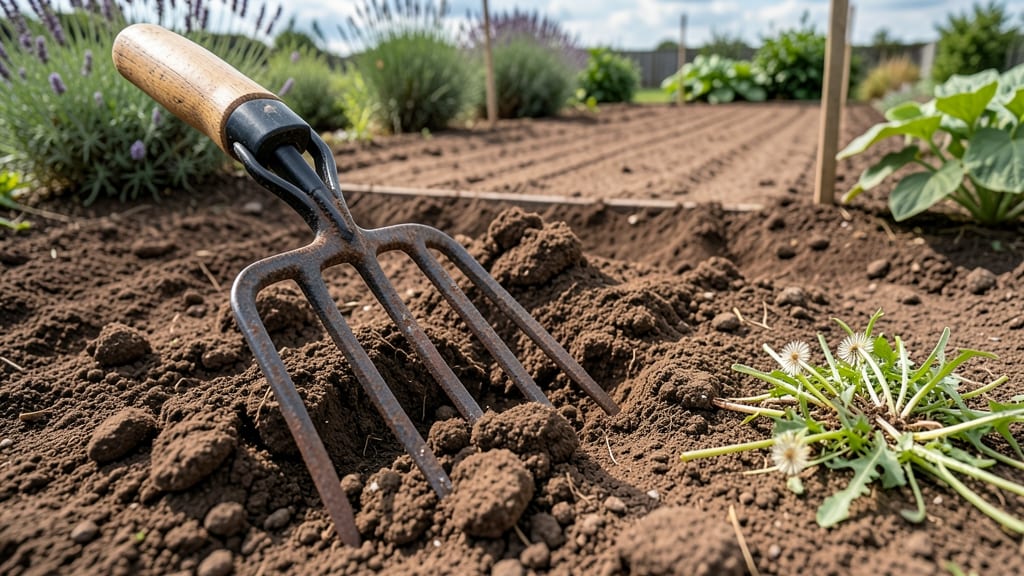
A garden cultivator is used for loosening soil, breaking up compacted ground, and removing weeds while keeping plant roots intact—perfect for prepping garden beds, aerating lawns, and maintaining healthy soil between planting seasons.
A garden cultivator works by using rotating tines to gently turn and aerate the top layer of soil without digging deep.
This process improves water drainage, allows roots to spread more easily, and reduces compaction from foot traffic or heavy equipment. 🌱 I’ve found that using one regularly prevents soil from becoming hard and prevents weeds from taking root, saving time on manual weeding later.
These tools come in different types—manual, electric, and gas-powered—each suited for specific tasks. For example, a lightweight manual cultivator works great for small flower beds, while a larger electric model handles vegetable gardens more efficiently.
The key is choosing the right size and power for your garden’s needs, whether you’re prepping a new planting area or maintaining an established lawn.
💡 In This Article
- How Cultivators Improve Soil Structure and Plant Growth
- Best Cultivator Types for Different Garden Tasks
How cultivators improve soil structure and plant growth
A garden cultivator works by using sharp, rotating tines that penetrate the soil's surface—typically 3-6 inches deep—without flipping it over like a rototiller.
These tines break up compacted layers caused by foot traffic, heavy machinery, or natural settling, creating tiny air pockets that improve aeration. 🌱 Think of it like fluffing a pillow: compacted soil becomes dense and suffocates roots, while aerated soil allows roots to spread freely and absorb water and nutrients more efficiently.
The mechanical action also disrupts weed seeds buried just below the surface, preventing them from germinating. For example, a 6-inch-deep pass with a cultivator can reduce weed competition by up to 70% in vegetable gardens, while still leaving established plants unharmed.
This is because the tines target the soil between rows rather than digging around plant stems. The result? Healthier plants with stronger root systems and fewer pests.
Water absorption improves dramatically in cultivated soil. Compacted soil repels water, leading to runoff and erosion, while aerated soil absorbs 30-50% more moisture during rain or irrigation. This is critical for drought-prone gardens, where every drop counts.
I’ve noticed that cultivated beds stay moist longer after watering, reducing the need for frequent irrigation and conserving water.
Nutrient distribution also benefits from cultivation. When you loosen the soil, buried organic matter—like decomposed leaves or compost—mixes with the top layer, releasing nutrients gradually. This natural fertilization process supports microbial activity in the soil, creating a thriving ecosystem that benefits plant roots.
For instance, cultivating after adding compost ensures nutrients are evenly distributed rather than clumping together.
Timing matters too. Cultivate when the soil is 60-70% moist (a squeeze should leave a faint print, not crumble). Dry soil clumps together, while overly wet soil sticks to the tines, reducing effectiveness.
The best time is early spring before planting or late fall after harvest, when weeds are active but plants aren’t established. This prevents disturbing young roots while still improving soil structure.
For flower beds, a light pass with a manual cultivator every 4-6 weeks keeps soil loose and prevents thatch buildup. In vegetable gardens, a deeper pass every 2-3 months maintains optimal conditions for root crops like carrots or potatoes.
The key is consistency—regular cultivation prevents compaction from reforming and keeps your garden working efficiently.