I remember the first tomato I grew from seed—it was tiny, red, and tasted like sunshine on a summer afternoon. That moment hooked me for life. Now, I spend my days digging into soil, chasing the perfect bloom, and sharing the little joys of gardening that make it all worthwhile. This site is where I pass along the lessons I’ve learned, the plants that thrive in my zone, and the quiet magic of watching something grow from nothing.
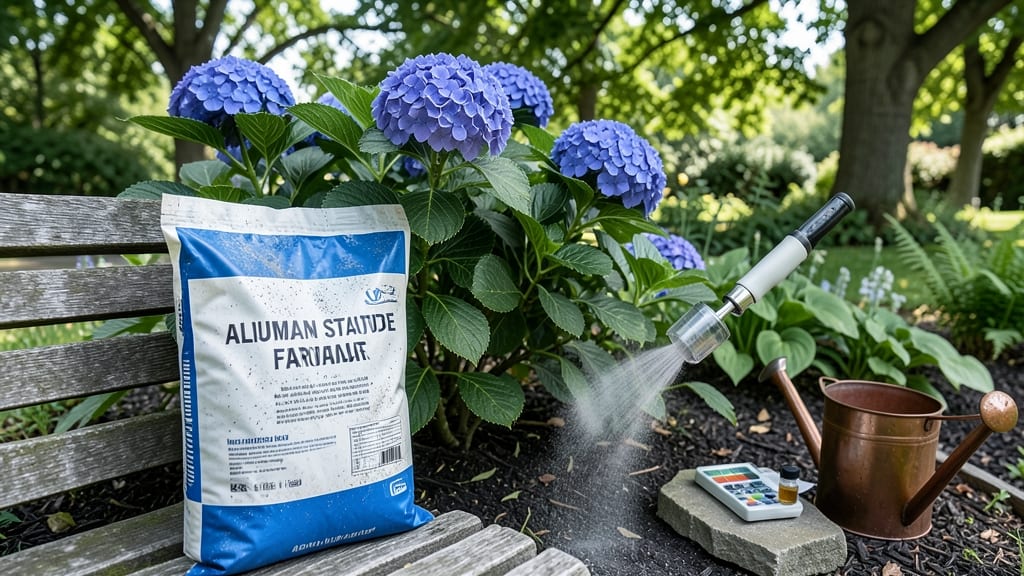
💥 Quick Answer Using aluminum sulfate in gardening lowers soil pH to create acidic conditions, perfect for acid-loving plants like azaleas and blueberries. Apply 5-10 pounds per 100 square feet, following package…
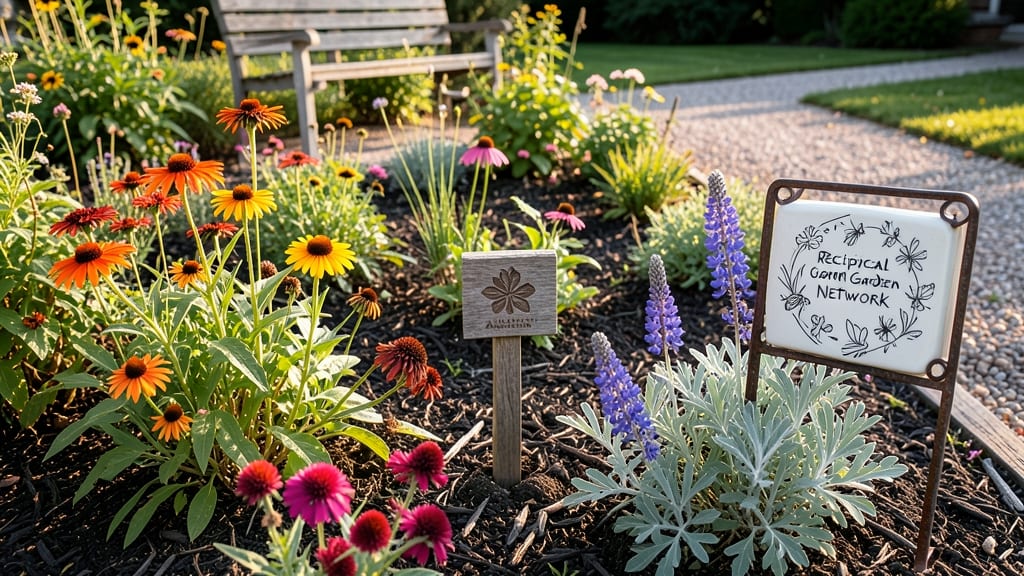
💥 Quick Answer The American Horticultural Society reciprocal garden network connects gardeners nationwide to trade plants, seeds, and gardening knowledge through organized regional exchanges, helping preserve rare…
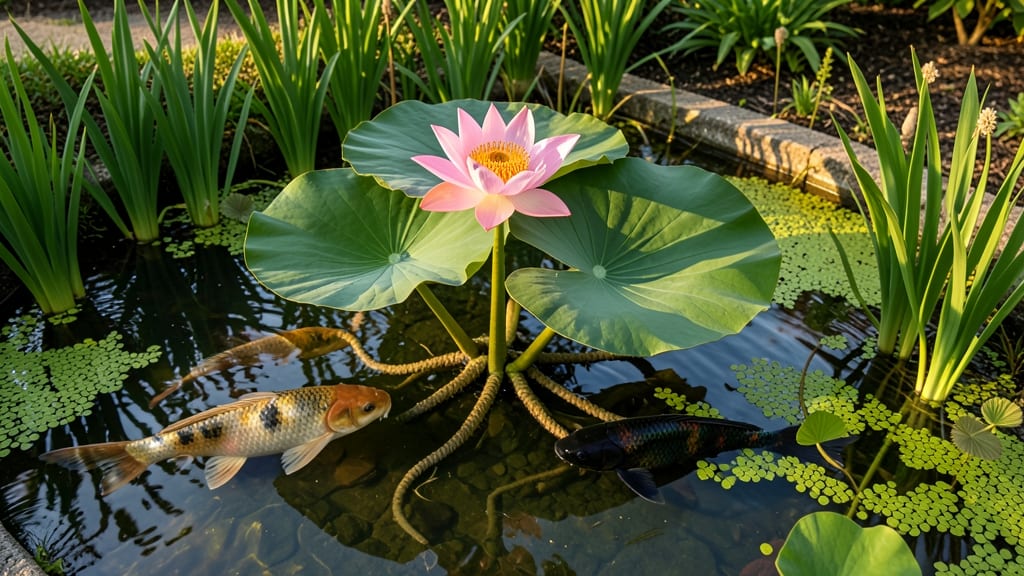
💥 Quick Answer Finding aquatic gardens near you unlocks tranquil spaces filled with rare aquatic flora, vibrant koi ponds, and meticulously designed water features that double as living art installations. These…
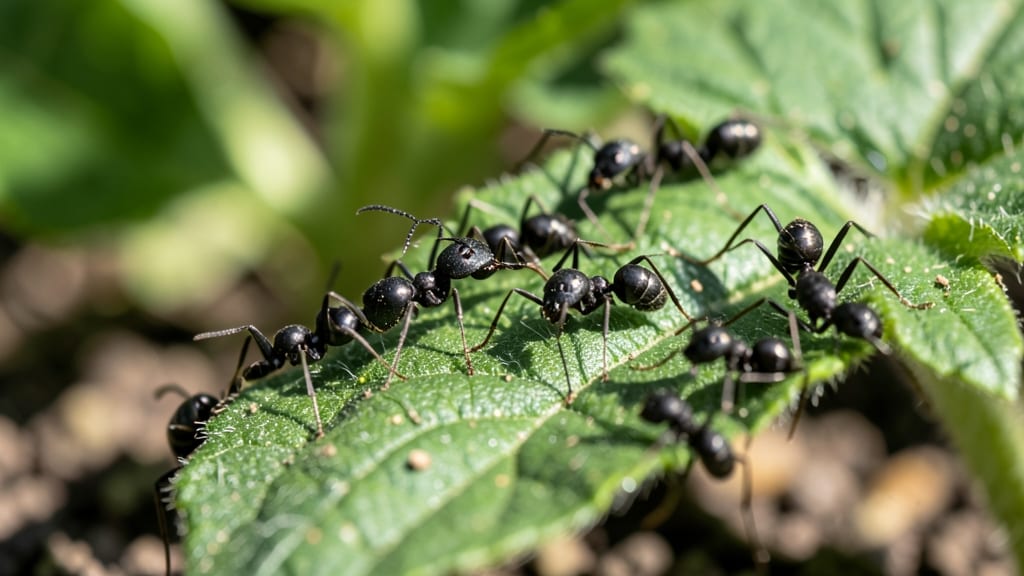
💥 Quick Answer Ants in a garden aren’t inherently bad—they aerate soil, disperse seeds, and control pests like aphids, but certain species can damage plant roots or attract harmful fungi by farming sap-sucking insects…
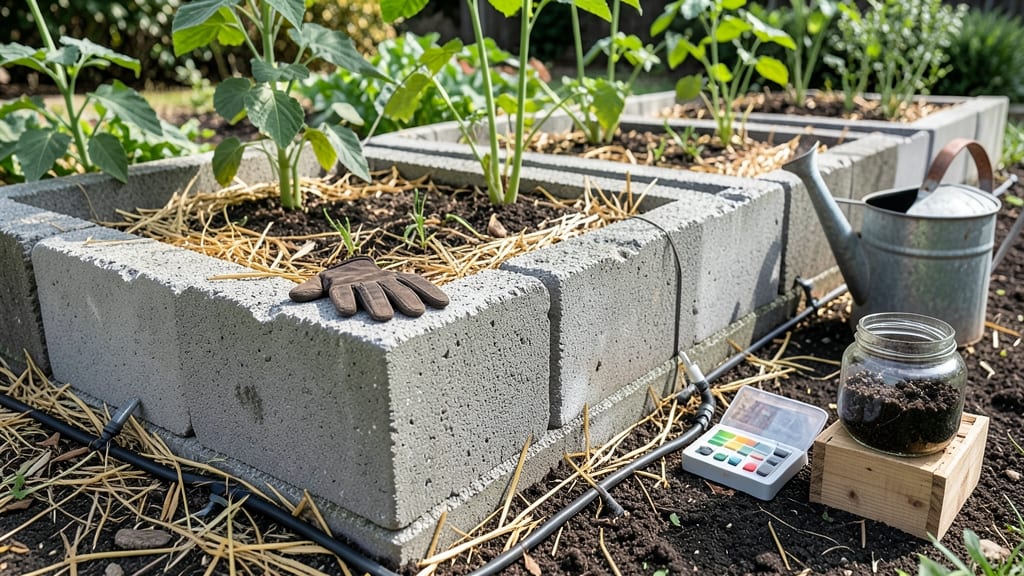
💥 Quick Answer Cinder blocks are generally safe for vegetable gardens, but their alkaline properties can gradually increase soil pH over time, which may negatively affect acid-loving plants like blueberries or tomatoes…
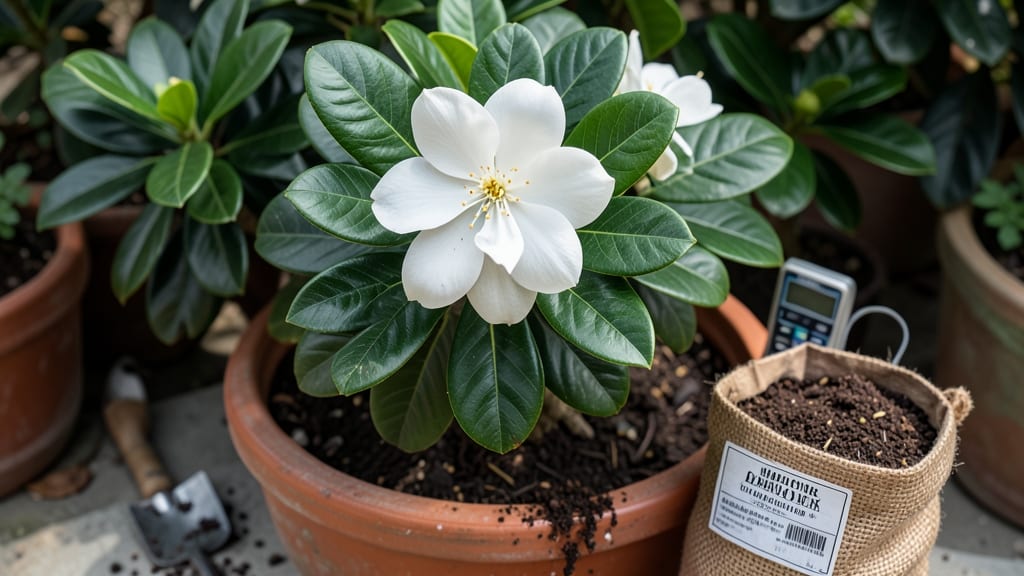
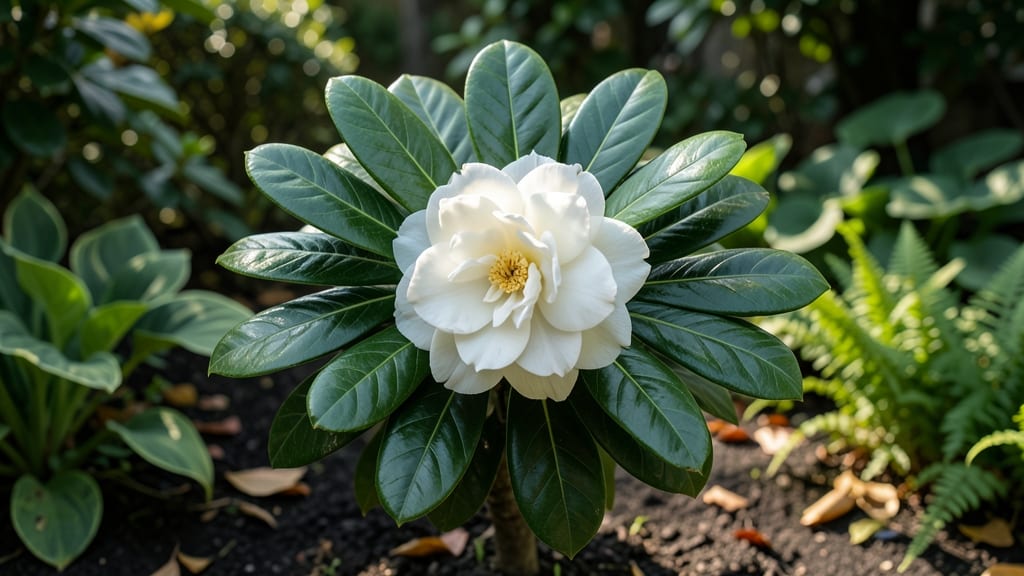
💥 Quick Answer Coffee grounds are good for gardenia plants because they naturally acidify soil and provide nitrogen, but you must use them carefully—too much can smother roots, attract pests, or create mold. Always use…
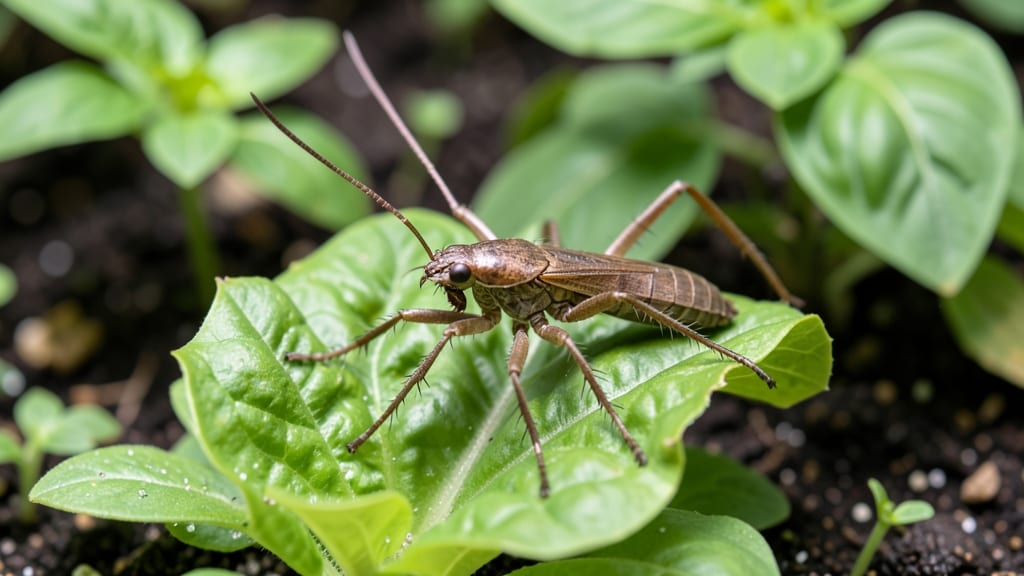
💥 Quick Answer Earwigs aren’t inherently bad for gardens—they primarily consume decaying plant matter, fungi, and small pests, but some species may occasionally damage young seedlings or flowers. While they contribute…
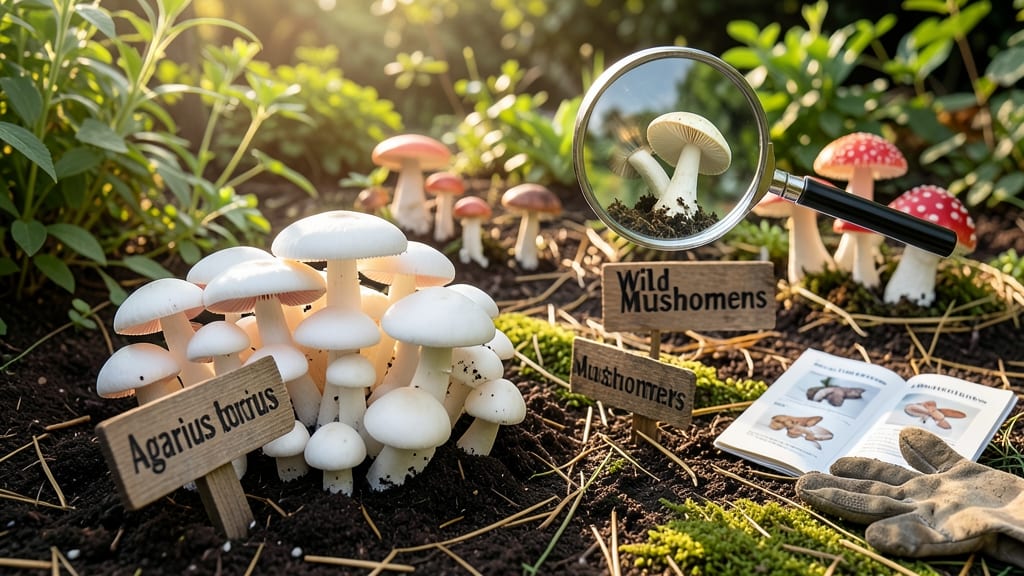
💥 Quick Answer Garden mushrooms can be poisonous if grown improperly or contaminated, but properly cultivated varieties like oyster or shiitake are generally safe to eat. Whether your mushrooms are poisonous depends…
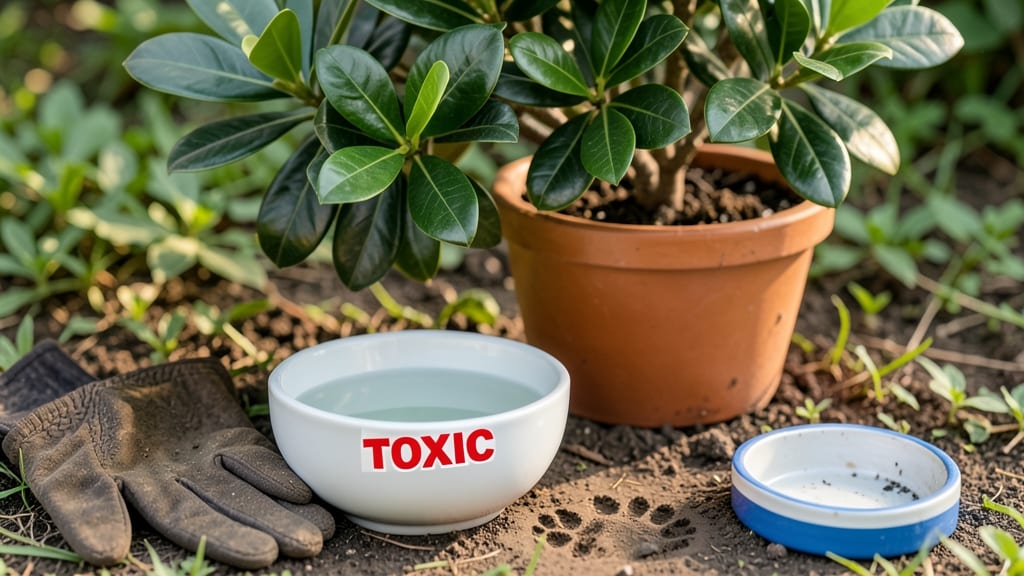
💥 Quick Answer Gardenia plants are poisonous to dogs, containing toxic compounds like saponins and gardenin that can cause vomiting, diarrhea, lethargy, and even drooling if ingested. Immediate vet care is recommended…
💥 Quick Answer Gardenias are perennials in warm climates (USDA Zones 8-11), thriving year-round with consistent care, but they behave like annuals in colder regions, losing foliage and requiring winter protection to…