I remember the first tomato I grew from seed—it was tiny, red, and tasted like sunshine on a summer afternoon. That moment hooked me for life. Now, I spend my days digging into soil, chasing the perfect bloom, and sharing the little joys of gardening that make it all worthwhile. This site is where I pass along the lessons I’ve learned, the plants that thrive in my zone, and the quiet magic of watching something grow from nothing.
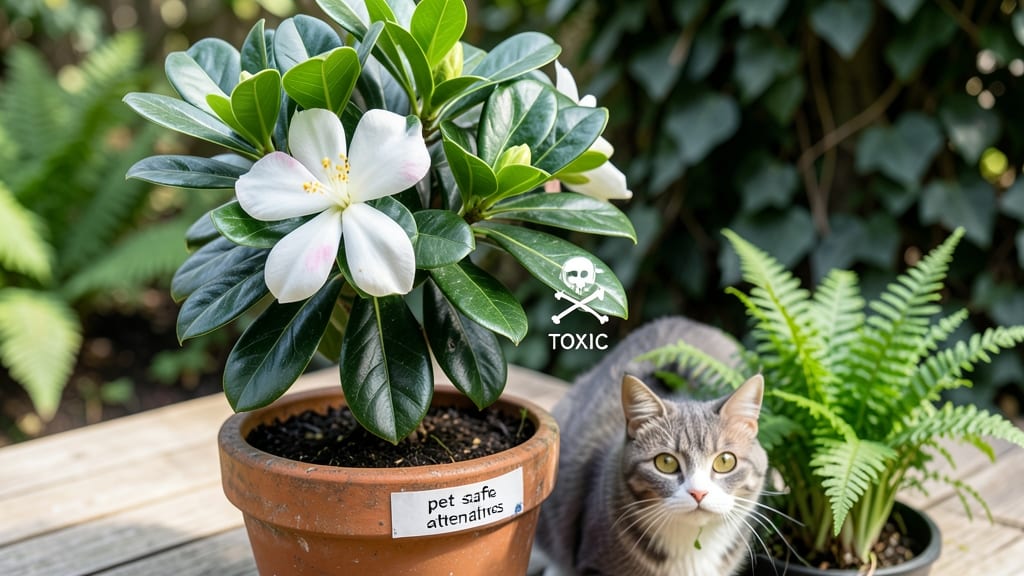
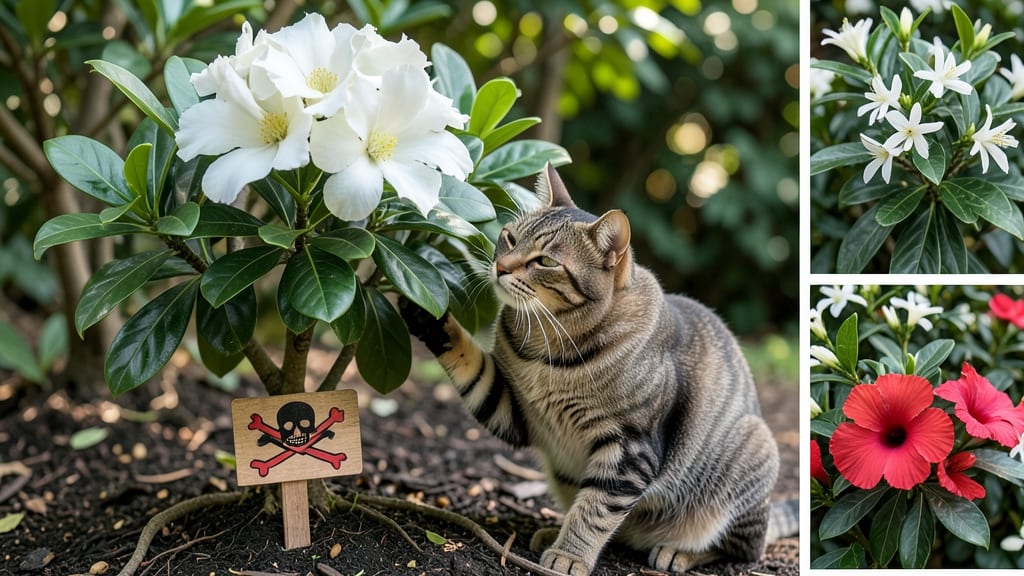
💥 Quick Answer Gardenias are poisonous to cats because their leaves, flowers, and stems contain harmful compounds like saponins and essential oils, which can trigger vomiting, drooling, and lethargy if chewed or…
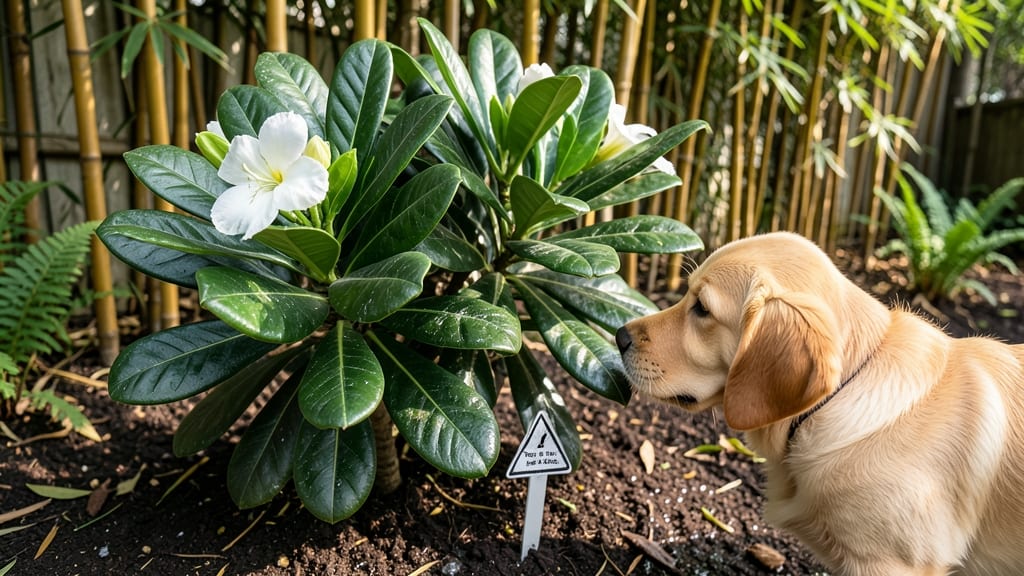
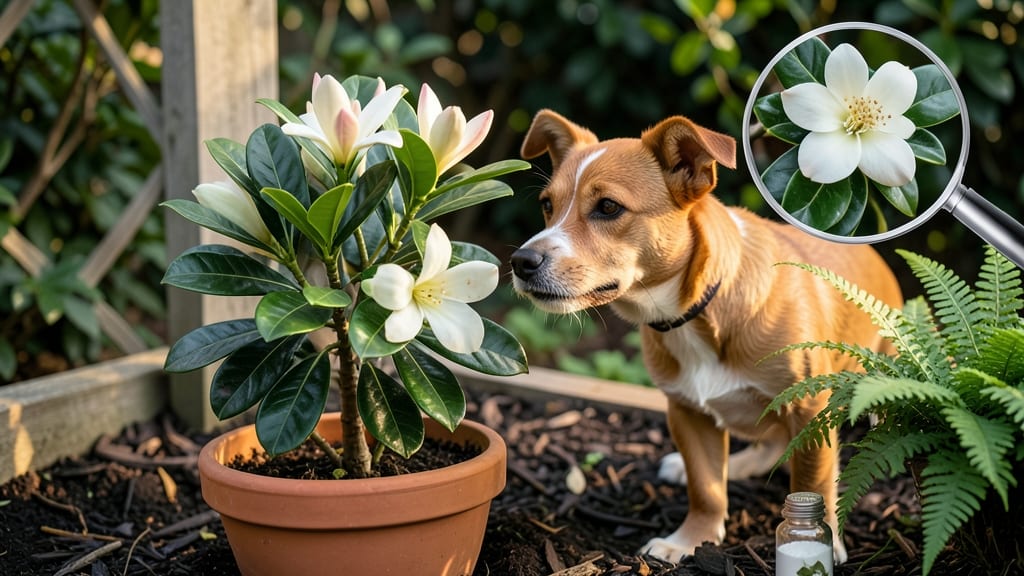
💥 Quick Answer Gardenias are poisonous to dogs and cats because their leaves, flowers, and stems contain toxic compounds like saponins and glycosides, which can trigger vomiting, diarrhea, and excessive drooling. If…
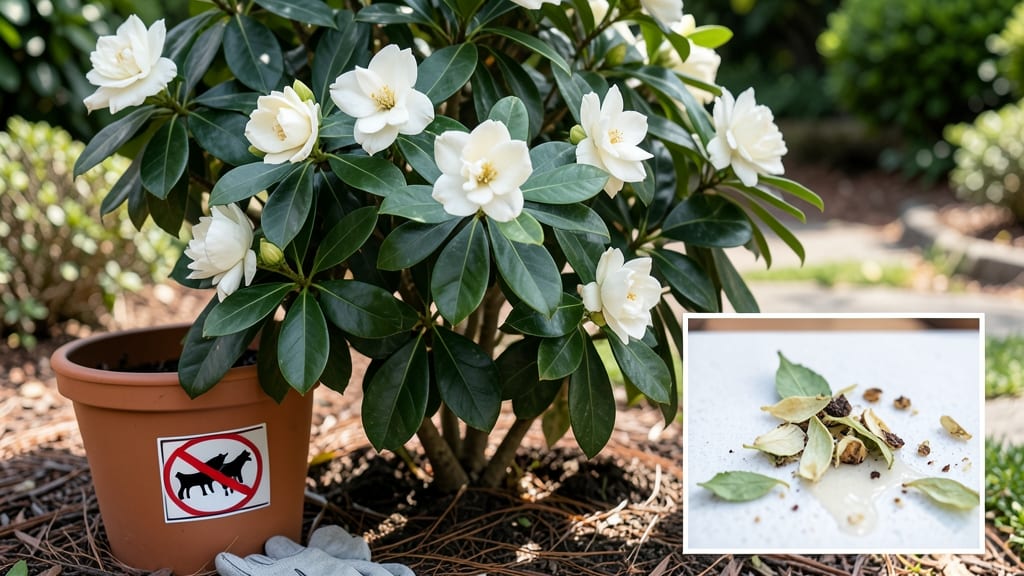
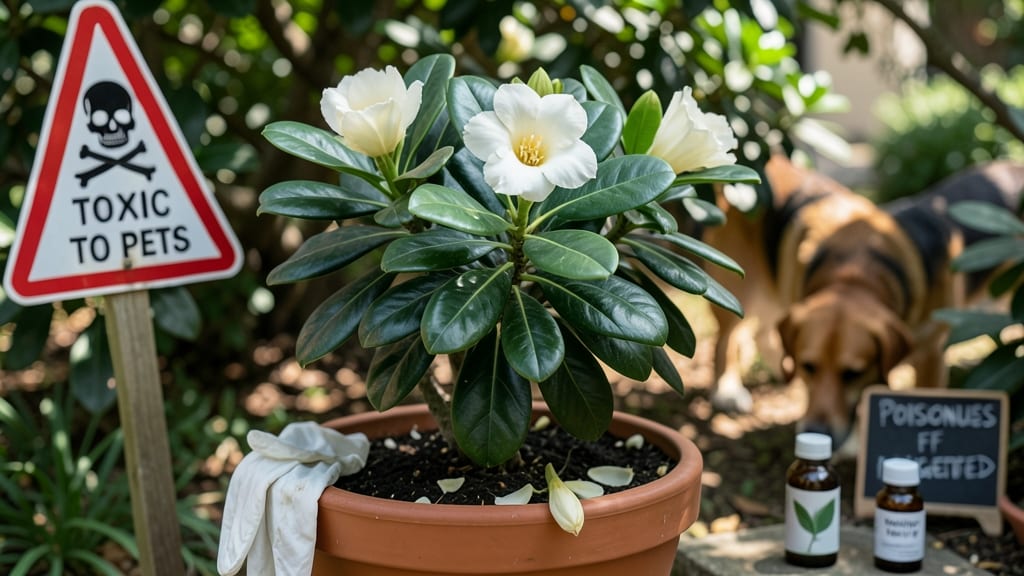
💥 Quick Answer Gardenias are poisonous to humans and pets, containing toxic compounds like saponins and glycosides that can cause nausea, vomiting, and skin irritation upon ingestion or contact. Keep them out of reach…
💥 Quick Answer Gardenias are toxic to cats because their leaves, flowers, and stems contain harmful glycosides that can trigger vomiting, excessive drooling, and lethargy if chewed or swallowed. Always place them where…
💥 Quick Answer Gardenias are toxic to dogs because their leaves and flowers contain harmful compounds like saponins and glycosides, which trigger symptoms ranging from vomiting and diarrhea to excessive drooling. If…
💥 Quick Answer Gardenias are toxic to pets and humans, particularly their leaves and flowers, which contain grayanotoxins that can cause vomiting, diarrhea, and weakness. Keep them out of reach of children and animals…
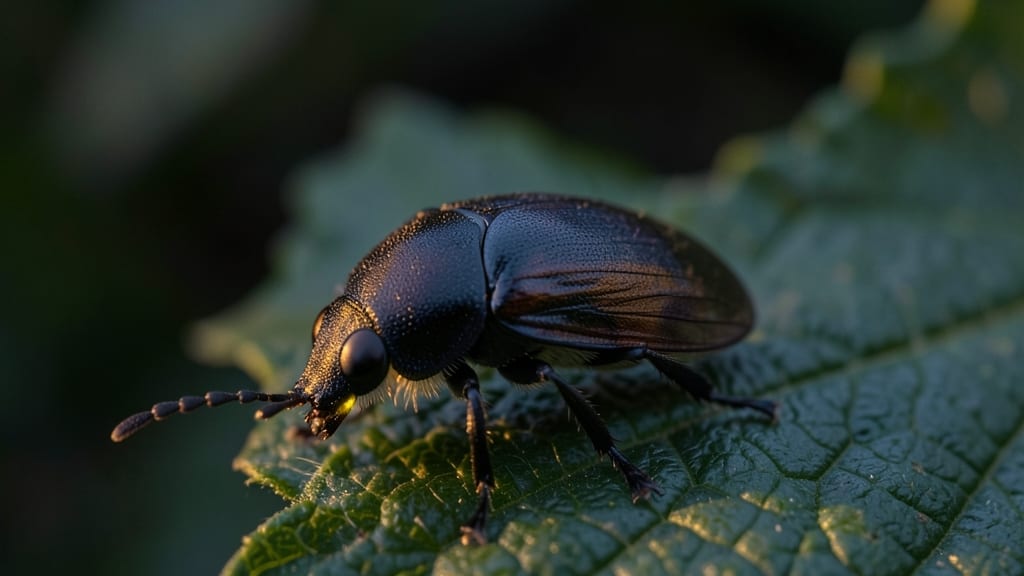
💥 Quick Answer Lightning bugs are good for the garden, acting as natural pest controllers that target slugs, snails, and aphids while their larvae improve soil health by breaking down organic matter. These tiny, glowing…
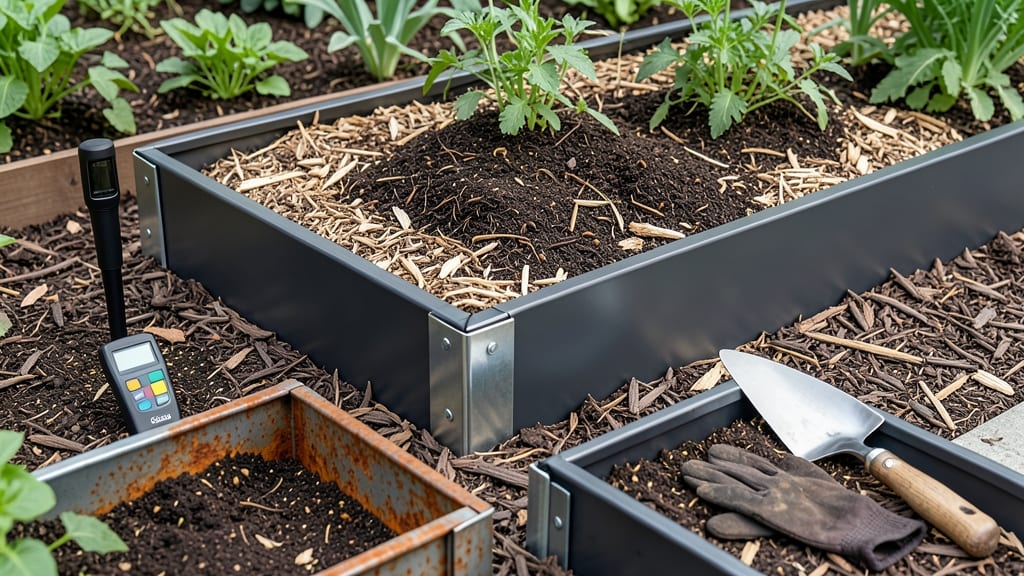
💥 Quick Answer Metal raised garden beds can be safe for growing plants when made from food-grade materials like galvanized steel or stainless steel, but they carry risks such as chemical leaching, heat stress on roots…
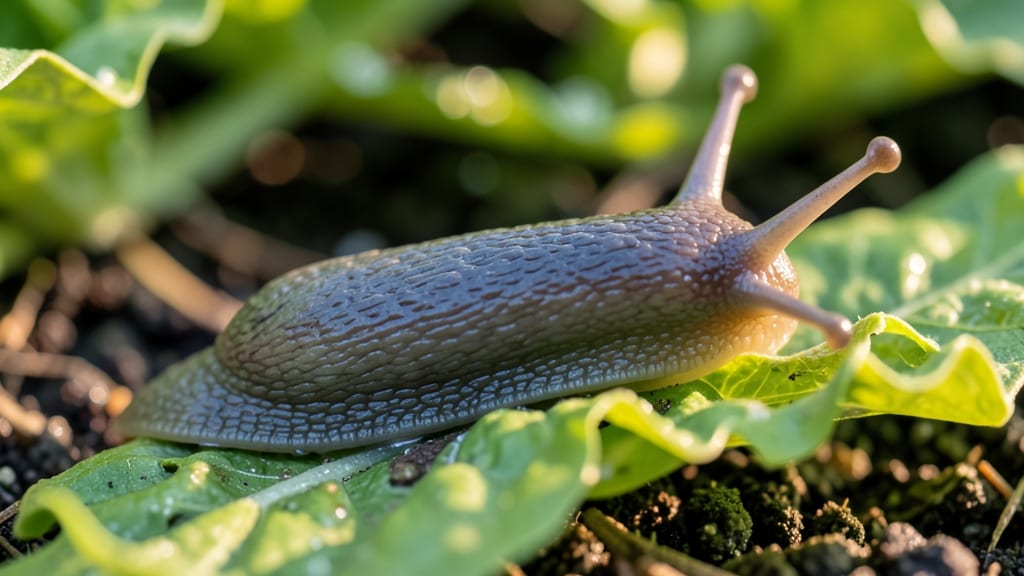
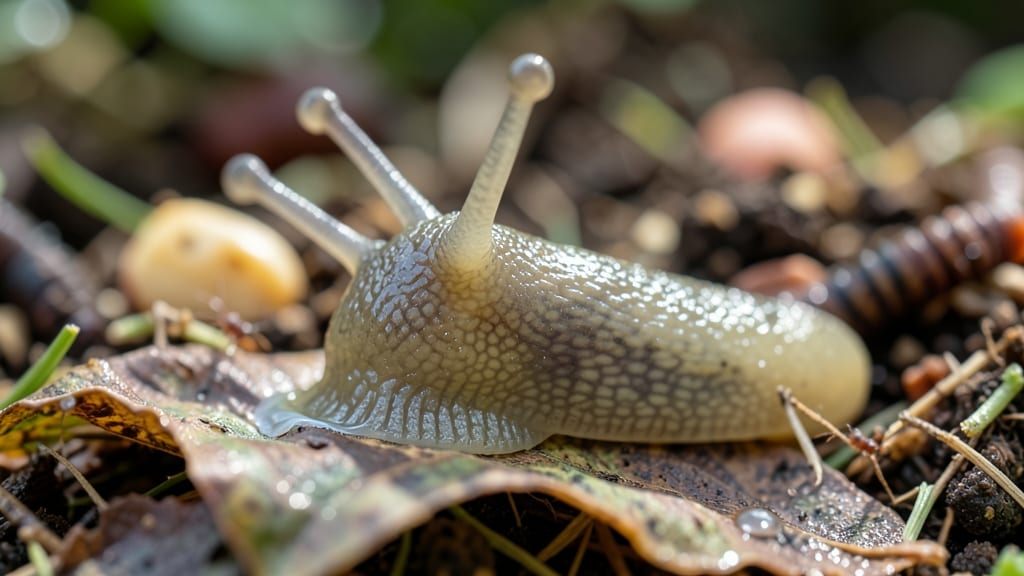
💥 Quick Answer Are slugs bad for gardens? Yes—these pests are devastating since they chew through leaves, stems, and blooms, leaving jagged holes, silvery slime trails, and often killing young plants overnight. Their…
💥 Quick Answer Slugs are beneficial to gardens when managed properly, as they decompose organic matter into nutrient-rich soil, enhance aeration, and provide food for wildlife. Yet their love for tender plants can…