
Plants
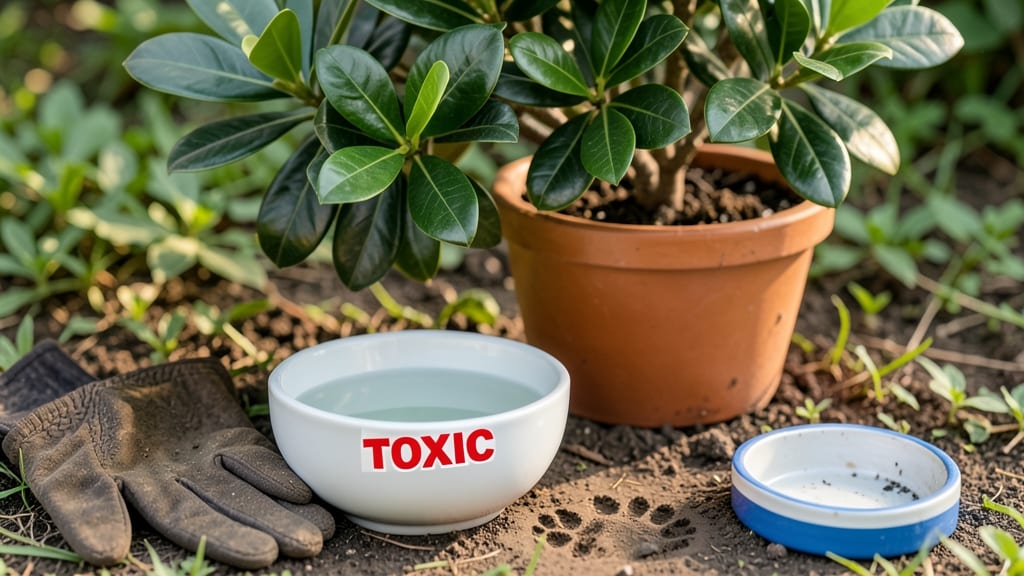
Gardenia plants are poisonous to dogs, containing toxic compounds like saponins and gardenin that can cause vomiting, diarrhea, lethargy, and even drooling if ingested. Immediate vet care is recommended if exposure occurs.
Gardenia plants contain multiple toxic compounds that can create serious health risks for dogs. 🐕 The saponins in gardenias irritate the digestive tract, while gardenin affects the nervous system, leading to symptoms like weakness or tremors.
Even small amounts of leaves, flowers, or stems can trigger reactions, with severity depending on the dog's size and sensitivity. I always recommend keeping these plants out of reach of pets, as the consequences can escalate quickly without proper medical attention.
If you suspect your dog has ingested gardenia, watch for signs like excessive drooling, loss of appetite, or lethargy—these are red flags that warrant an emergency vet visit.
The good news is that many non-toxic alternatives exist, like sunflowers or roses, that can add beauty to your garden without endangering your furry friends.
💡 In This Article
- Toxic Compounds in Gardenias and Their Effects on Dogs
- Safe Flowering Plants for Dog-Friendly Gardens
Toxic compounds in gardenias and their effects on dogs
Gardenia plants contain two primary toxins that pose risks to dogs: saponins and gardenin. Saponins are naturally occurring glycosides that create soapy foam when mixed with water, which irritates a dog's digestive tract lining.
These compounds are most concentrated in the leaves and stems, where they act as a natural defense mechanism against herbivores. A single leaf contains about 0.5-1.2 milligrams of saponins, enough to trigger gastrointestinal upset in small dogs.
The second compound, gardenin, targets the nervous system by interfering with neurotransmitter function. This is why dogs may exhibit neurological symptoms like tremors or weakness after ingestion. The flowers contain slightly lower concentrations of these toxins compared to leaves, but their sweet fragrance can attract curious pups.
What makes gardenias particularly dangerous is how quickly symptoms appear—within 30 minutes to 2 hours—because the compounds are rapidly absorbed through the digestive tract. 🐾
Symptom severity depends on both the plant part consumed and the dog's size. A 10-pound Chihuahua might show severe reactions from just one leaf, while a 50-pound Labrador could handle slightly larger quantities before symptoms appear.
The ASPCA reports that gardenia poisoning cases often involve accidental ingestion during walks or when dogs chew on fallen flowers. This is why pet owners should be especially vigilant during gardenia's blooming season (spring to summer), when toxic parts are most accessible.
Here's how these toxins affect your dog's body:
- Digestive system: Saponins cause inflammation of the stomach and intestines, leading to vomiting and diarrhea that may contain blood
- Nervous system: Gardenin disrupts normal nerve signaling, potentially causing tremors or even seizures in severe cases
- Immune response: Some dogs may develop allergic reactions, with symptoms like facial swelling or hives
The most concerning aspect is how these toxins combine effects. While saponins primarily cause gastrointestinal distress, gardenin's neurological impact means symptoms can progress rapidly if left untreated. This is why immediate vet intervention is critical—some cases require intravenous fluids to prevent dehydration from persistent vomiting or diarrhea. 🚑
Interestingly, gardenias aren't toxic to all animals. Cats are generally unaffected, and the plants are commonly used in traditional Chinese medicine for humans in carefully controlled doses. This highlights how toxicity varies dramatically between species, making it crucial for dog owners to understand their pets' specific vulnerabilities.
The key takeaway is that gardenias should never be considered safe plants, regardless of their beautiful appearance or pleasant fragrance.