
Diseases
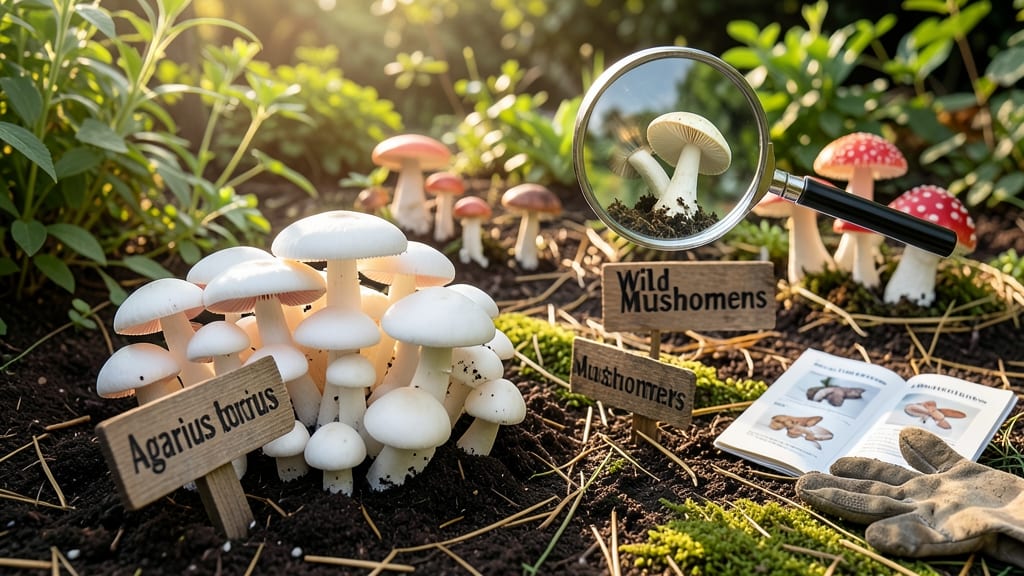
Garden mushrooms can be poisonous if grown improperly or contaminated, but properly cultivated varieties like oyster or shiitake are generally safe to eat.
Whether your mushrooms are poisonous depends entirely on how they're grown. 🌱 Contamination from mold spores or improper sterilization of the growing medium can introduce dangerous pathogens like Aspergillus or Fusarium, which may cause food poisoning or respiratory issues.
Even "safe" species like white button mushrooms can develop toxins if exposed to certain bacteria during cultivation. I always recommend using sterile substrates and testing for contamination before consumption, especially when growing at home.
For safe eating, stick to well-established species and follow strict cultivation protocols. Many gardeners avoid the risk entirely by purchasing mushrooms from trusted sources rather than growing their own. When in doubt, consult a mycologist or use home test kits designed to detect common mushroom toxins.
Proper storage also matters—keeping mushrooms in a cool, dry place prevents spoilage and mold growth.
💡 In This Article
- Toxicity Factors in Homegrown Garden Mushrooms
- Safe Mushroom Cultivation and Consumption Practices
Toxicity factors in homegrown garden mushrooms
Contamination in homegrown mushrooms typically starts with the growing medium, or substrate. 🌱 If you're using materials like straw, sawdust, or compost without proper sterilization, harmful spores from Aspergillus or Fusarium can thrive.
These pathogens produce mycotoxins like aflatoxin or fumonisin, which can cause nausea, vomiting, or even liver damage if consumed. For example, Aspergillus flavus produces aflatoxin B1, one of the most potent natural carcinogens known—just 0.2 micrograms per kilogram of body weight can pose health risks.
The sterilization process is critical because even small amounts of organic matter left unsterilized can harbor bacteria and molds. 🔥 Improperly pasteurized substrates may develop off flavors or toxic compounds, especially when exposed to temperatures below 160°F for insufficient time.
Humidity control also plays a role—excess moisture encourages mold growth, while too little can stress the mushrooms, making them more susceptible to contamination. I’ve seen cases where gardeners using unsterilized horse manure substrates ended up with mushrooms contaminated by Fusarium solani, leading to gastrointestinal distress within hours of consumption.
Environmental exposure is another major risk factor. Mushroom growers often overlook airborne spores that can land on growing surfaces.
For instance, Penicillium species, which produce penicillin, can contaminate mushrooms and cause allergic reactions or respiratory issues when inhaled during harvest. 💫 The key is maintaining a clean growing space—using HEPA filters, UV sterilization lamps, or even growing in enclosed containers can drastically reduce contamination risks.
Even the air quality in your growing room matters: high dust levels or previous mold growth can introduce pathogens that compromise mushroom safety.
Species selection also influences toxicity risks. Some varieties, like oyster mushrooms, are hardier and less prone to contamination than others, but improper growing conditions can still make them unsafe.
For example, white button mushrooms (Agaricus bisporus) cultivated in dirty environments may develop greenish discoloration—a sign of Trichoderma contamination, which can cause skin irritation or digestive upset.
Always source spawn from reputable suppliers and avoid using wild or unknown mushroom species, as some can contain naturally occurring toxins like psilocybin or amatoxins.
Storage conditions after harvest are equally important. Mushrooms stored in high humidity or at temperatures above 40°F spoil faster, increasing the risk of mold growth. 🌟 Even properly grown mushrooms can develop harmful bacteria like Listeria if left in damp conditions for too long.
To minimize risks, store mushrooms in a paper bag (not plastic) in the refrigerator and consume them within 3-5 days of harvest. If you notice any slimy texture, unusual odors, or discoloration, discard them immediately—these are classic signs of contamination.
Testing for contamination is the final safeguard. Home test kits for mycotoxins (like those for aflatoxin) can provide peace of mind, though they’re not foolproof.
For serious growers, sending samples to a lab for analysis is the gold standard. 💫 Remember, even a single contaminated mushroom in a batch can ruin an entire harvest, so vigilance at every stage—from substrate prep to final storage—is non-negotiable for safe consumption.