
Pests
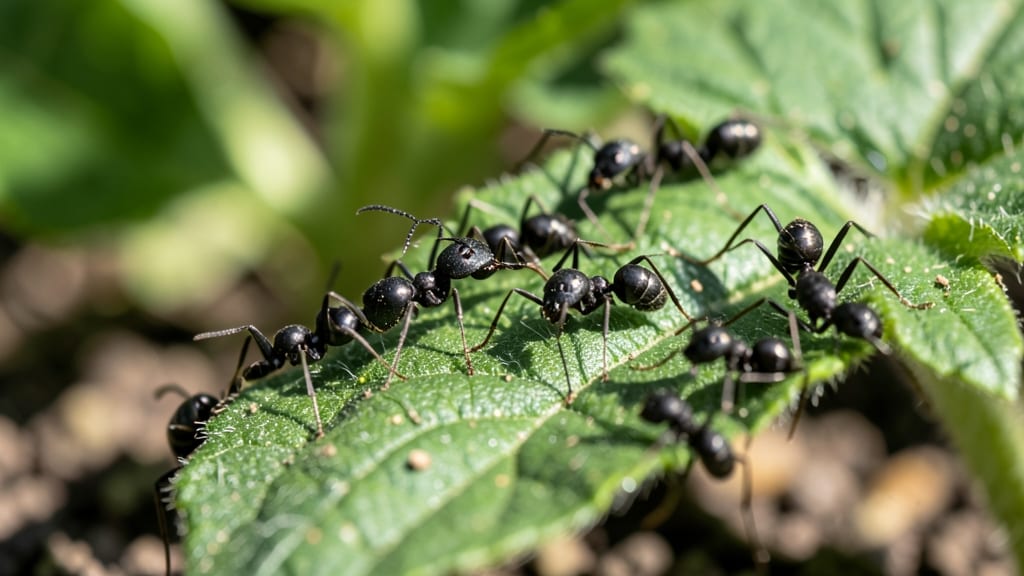
Ants in a garden aren’t inherently bad—they aerate soil, disperse seeds, and control pests like aphids, but certain species can damage plant roots or attract harmful fungi by farming sap-sucking insects. Balance their presence with targeted removal if needed.
Ants actually play a crucial role in garden health by improving soil structure and breaking down organic matter, which helps roots absorb nutrients more efficiently. 🔥 However, not all ants are garden allies—some species, like carpenter ants, can chew through plant roots or create tunnels that weaken stems, while leafcutter ants introduce harmful fungi that rot vegetation.
The key is identifying which types are present and acting accordingly, whether that means encouraging beneficial species or implementing gentle control measures.
For example, pavement ants often protect plants by preying on aphids, but Argentine ants can form supercolonies that disrupt entire ecosystems.
I recommend observing their behavior first—if you notice trails leading to your prized plants or visible damage, it's time to intervene with natural solutions like cinnamon barriers or neem oil sprays. Most gardeners find that a few ants here and there actually improve their soil's long-term fertility.
💡 In This Article
- How Ants Benefit and Harm Garden Ecosystems
- Natural Ways to Manage Ants Without Harming Your Garden
How ants benefit and harm garden ecosystems
Ants act as tiny ecosystem engineers in your garden, performing critical functions like soil aeration through their tunneling habits. When ants dig their nests, they create channels that improve water drainage and root penetration, reducing soil compaction by up to 30% in heavily trafficked garden beds.
This natural tilling also boosts microbial activity, helping break down organic matter into plant-accessible nutrients. 🔥 For example, harvester ants in arid regions can increase soil fertility by redistributing nutrients from deep layers to the surface where plants need them most.
The harm comes from specific species that disrupt these benefits. Carpenter ants, for instance, don't eat wood but carve galleries in plant stems and roots using their powerful mandibles, creating entry points for diseases.
Leafcutter ants take it further by farming Escovopsis fungi in their nests, which produces toxins that weaken and kill plants. These ants can strip entire gardens bare in weeks, leaving behind a trail of rotting vegetation.
The damage isn't just cosmetic—it creates microclimates that favor fungal pathogens like Phytophthora, which can devastate root systems.
Here's where it gets interesting: ants also create ecological trade-offs. Many species protect plants by preying on pests like aphids, which they "farm" for honeydew—a sugary waste product.
While this might seem beneficial, the ants often prioritize their own food source over plant health, leading to situations where aphid populations explode under ant protection.
This creates a delicate balance where ants might control some pests while enabling others, requiring gardeners to observe their specific behaviors rather than making blanket judgments.
Consider the case of Argentine ants, which form supercolonies that can stretch for miles. These ants don't just move between gardens—they create monocultures of their own species, outcompeting native ants that perform beneficial roles.
Their presence often correlates with reduced biodiversity in the soil, as they aggressively displace species that contribute to nutrient cycling. The key indicator of problematic ant activity is visible plant damage combined with persistent trails leading to your most valuable plants.
What most gardeners don't realize is how ants influence plant growth through their seed dispersal habits. Fire ants, for example, collect seeds and store them in their mounds, where they germinate under controlled conditions.
This accidental seed banking can introduce new plant species to your garden, sometimes beneficial and sometimes invasive. The challenge lies in distinguishing between these helpful behaviors and the destructive patterns that warrant intervention.
To identify harmful species, look for these red flags: visible trails leading to plant roots, sawdust-like frass (wood shavings) near stems, or circular patterns in lawns where grass is being harvested. Helpful ants typically stay in their nests during daylight and only venture out at night to forage.
Understanding these behavioral differences allows you to implement targeted solutions rather than treating all ants as garden pests. ✨