I remember the first tomato I grew from seed—it was tiny, red, and tasted like sunshine on a summer afternoon. That moment hooked me for life. Now, I spend my days digging into soil, chasing the perfect bloom, and sharing the little joys of gardening that make it all worthwhile. This site is where I pass along the lessons I’ve learned, the plants that thrive in my zone, and the quiet magic of watching something grow from nothing.
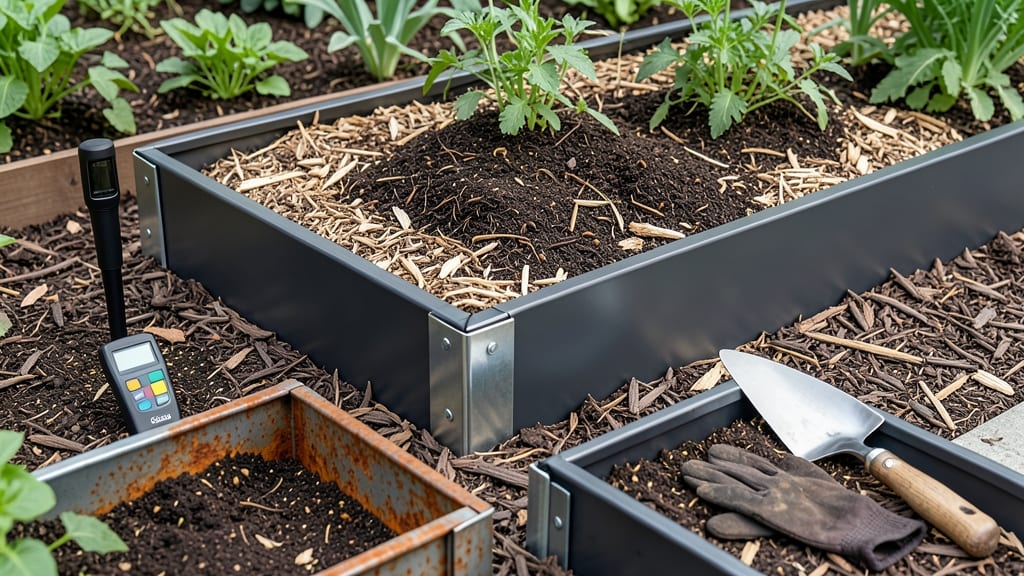
💥 Quick Answer Metal raised garden beds can be safe for growing plants when made from food-grade materials like galvanized steel or stainless steel, but they carry risks such as chemical leaching, heat stress on roots…
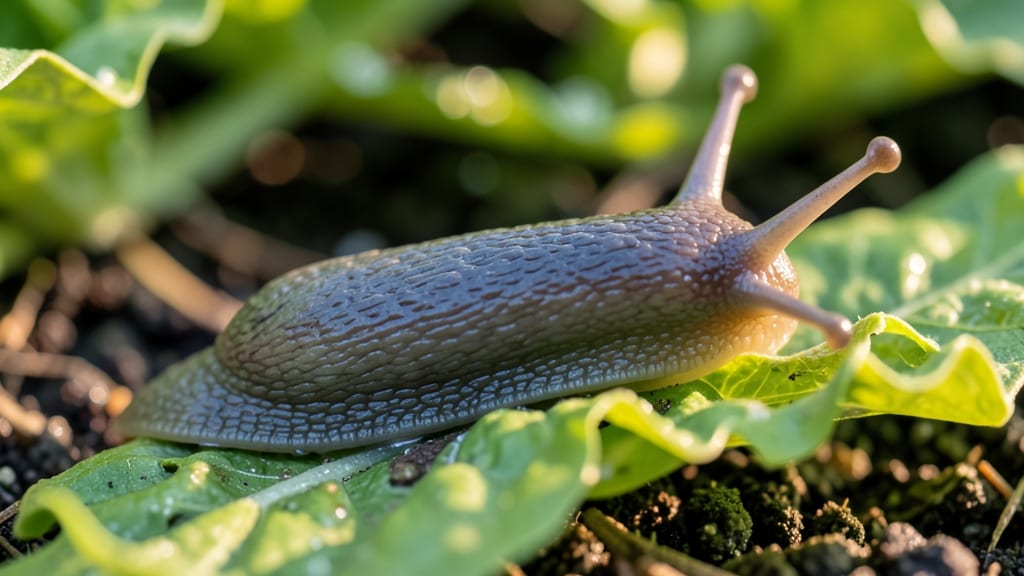
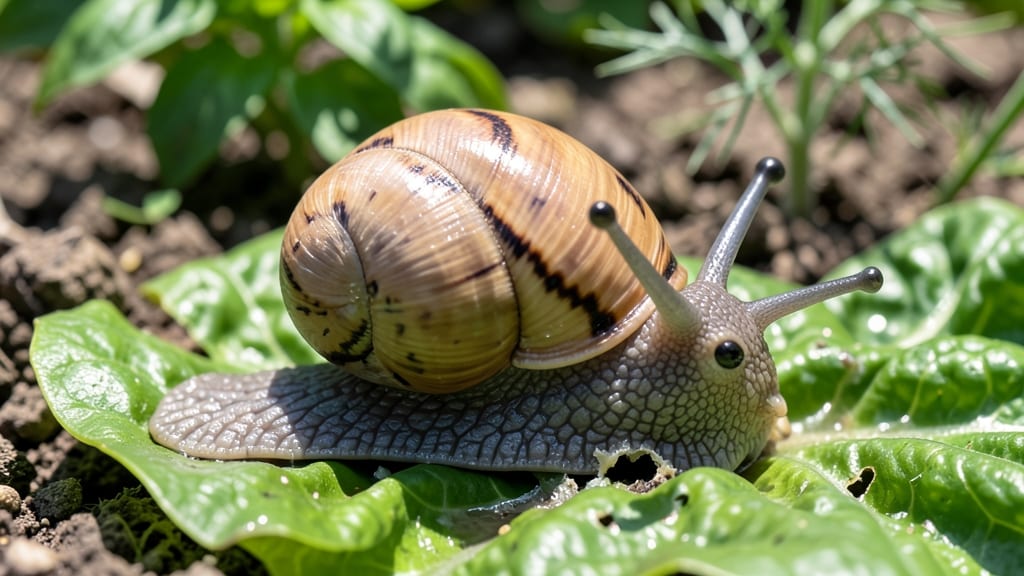
💥 Quick Answer Are slugs bad for gardens? Yes—these pests are devastating since they chew through leaves, stems, and blooms, leaving jagged holes, silvery slime trails, and often killing young plants overnight. Their…
💥 Quick Answer Slugs are beneficial to gardens when managed properly, as they decompose organic matter into nutrient-rich soil, enhance aeration, and provide food for wildlife. Yet their love for tender plants can…
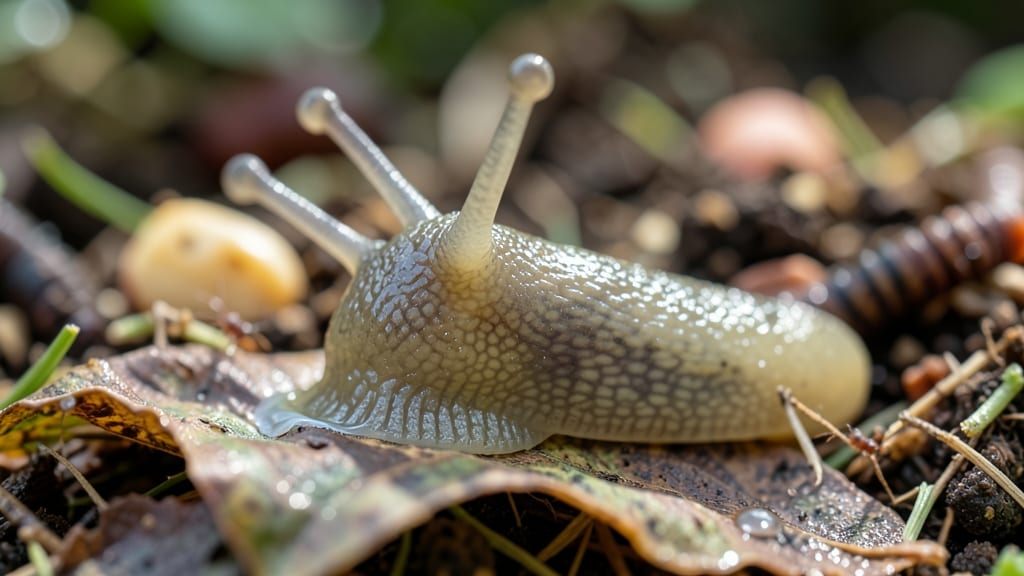
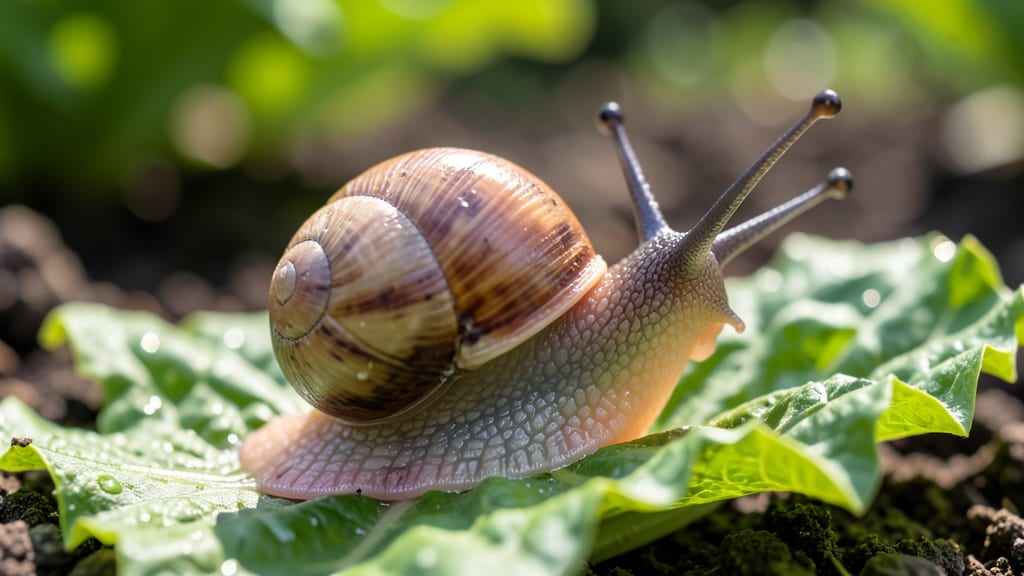
💥 Quick Answer Snails are bad for your garden because they feed on tender leaves, stems, and flowers, often leaving behind slime trails and irregular holes that weaken or kill plants—especially young seedlings and…
💥 Quick Answer Snails are good for gardens because they naturally decompose organic matter like fallen leaves and plant waste, turning it into nutrient-rich fertilizer as they feed. Their slime also enhances soil…
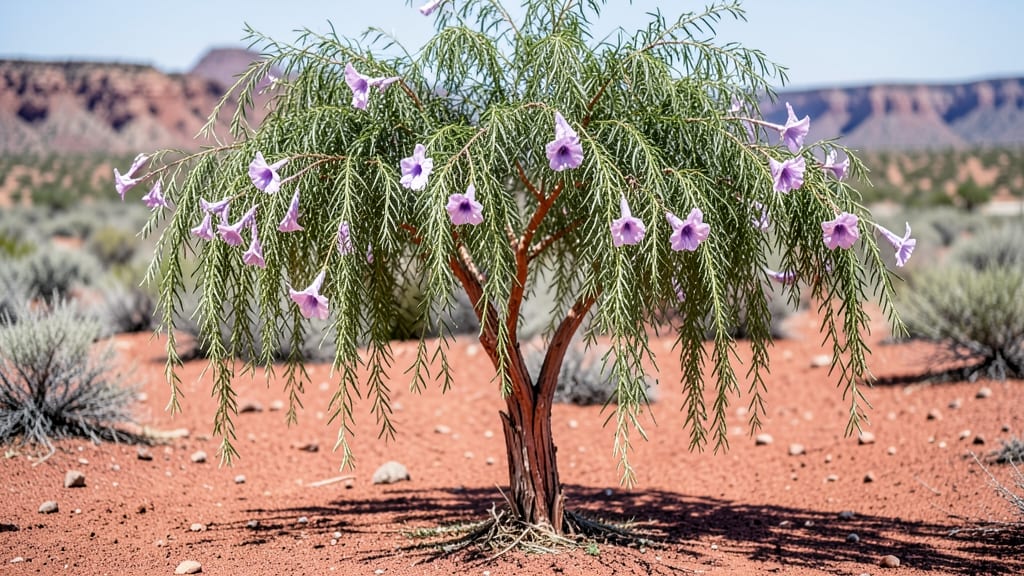
💥 Quick Answer Arizona’s gardening zones span USDA Hardiness Zones 4b to 10b, creating dramatic differences in planting schedules—from February in Yuma’s low deserts to April in Flagstaff’s highlands, with fall planting…
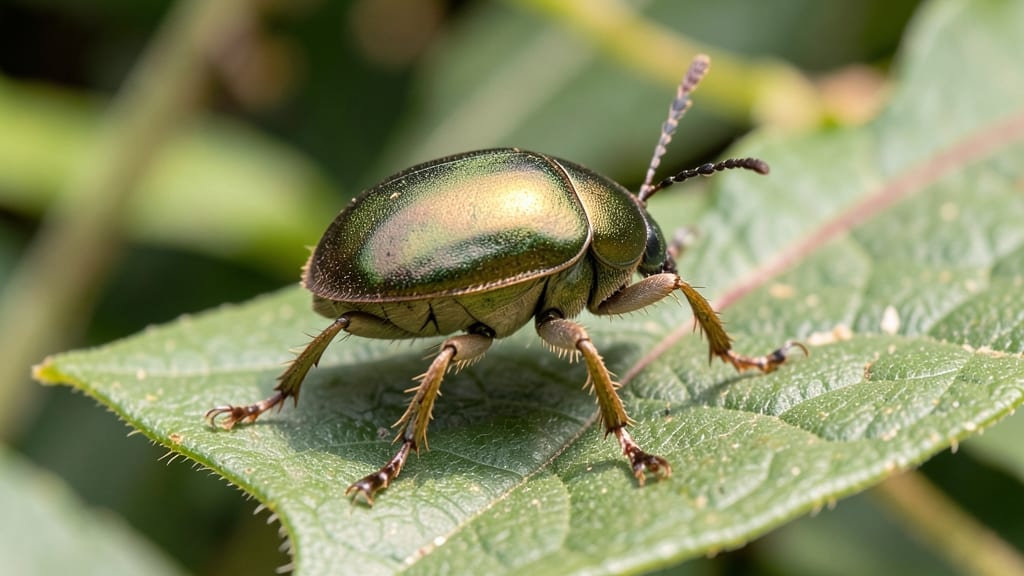
The Asiatic garden beetle is a sneaky, destructive pest 🐛 that can turn your thriving garden into a chewed-up mess if you don’t catch it early. Picture this: you’re out watering your prized roses, and suddenly, you spot…
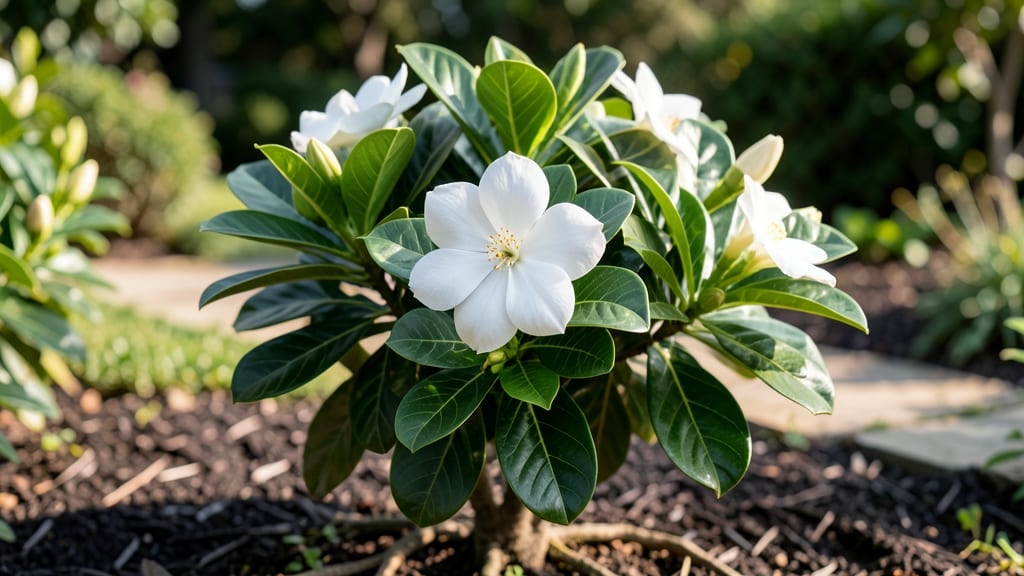
The August Beauty Gardenia growth rate is surprisingly fast—once established, it climbs 6-12 inches per year , dazzling gardens with its glossy leaves and fragrant blooms by mid-summer. If you’ve planted an August Beauty…
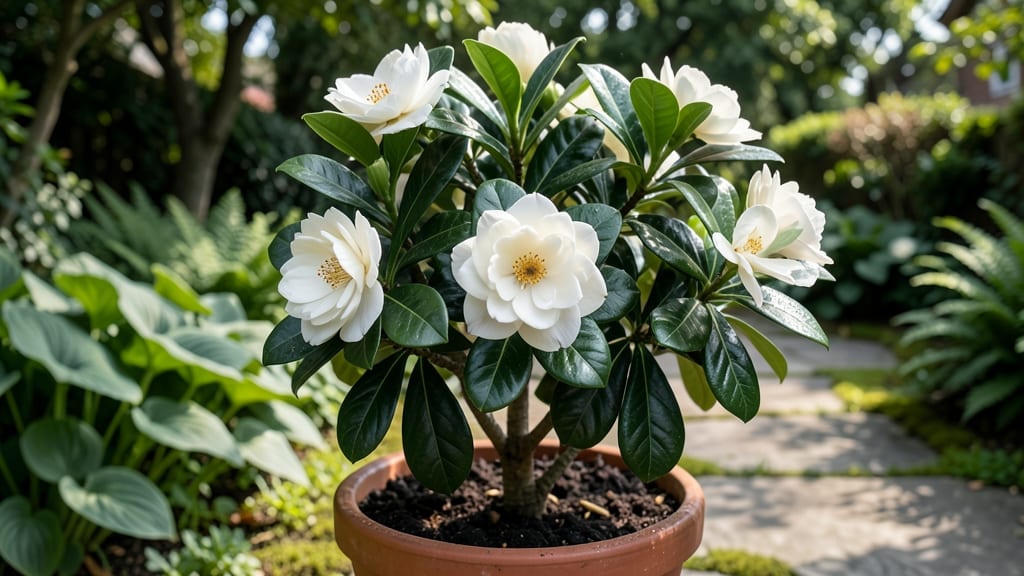
The August Beauty gardenia thrives in partial sun—its sun requirements demand 4 to 6 hours of morning light —to fuel its fragrant blooms without scorching its delicate leaves. Picture this: your 🌸 gardenia sits in a…
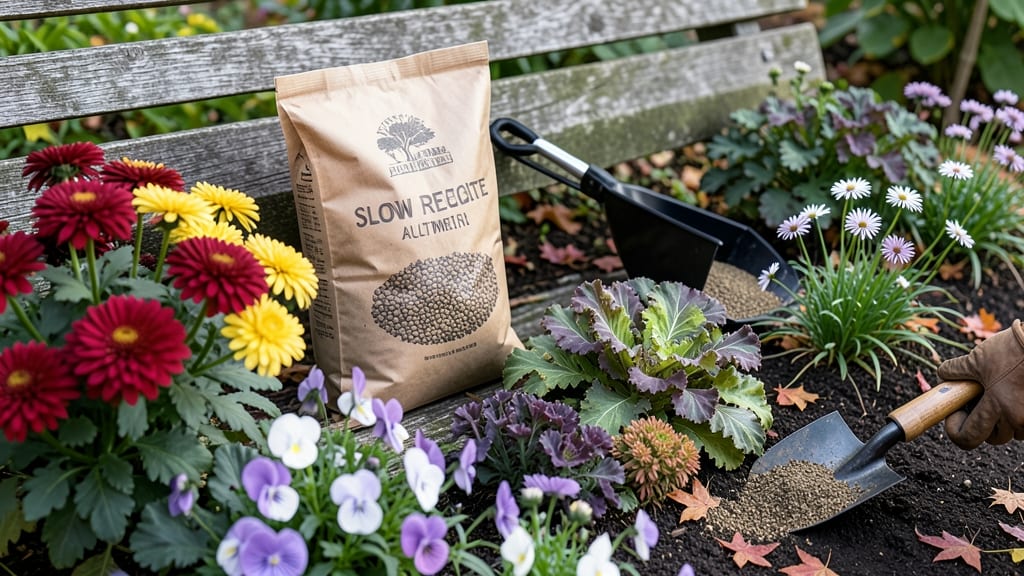
💥 Quick Answer Autumn fertilizer for gardens strengthens root systems, improves soil structure, and helps plants store nutrients for winter survival. Focus on organic slow-release options like compost or bone meal…