
Container Gardens
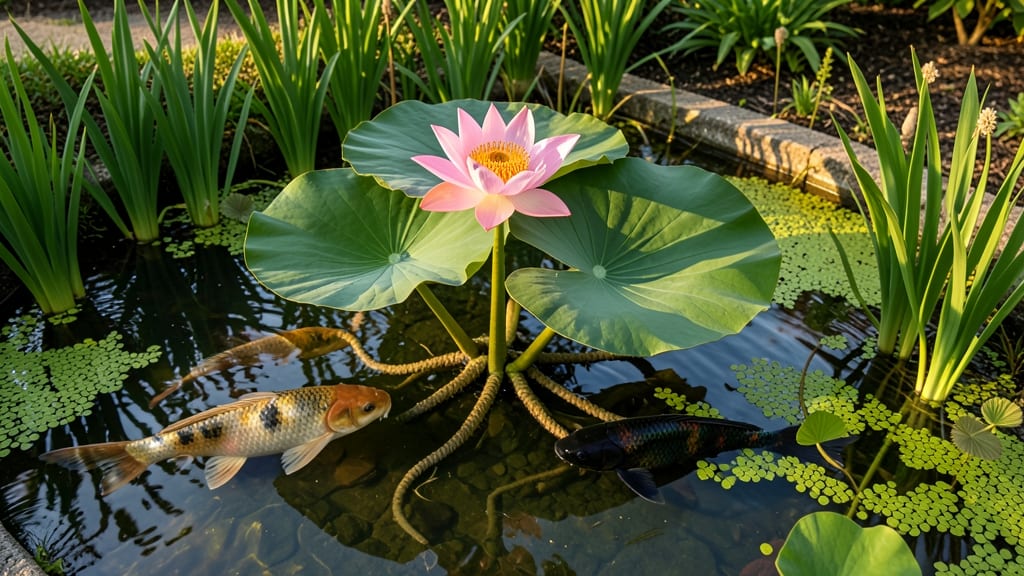
Finding aquatic gardens near you unlocks tranquil spaces filled with rare aquatic flora, vibrant koi ponds, and meticulously designed water features that double as living art installations. These botanical havens cater to plant enthusiasts, photographers, and anyone seeking peaceful escapes—just search local botanical gardens, conservation areas, or specialty plant nurseries specializing in aquatic species like lotus flowers, water lilies, and hardy marsh plants. Always verify opening hours and seasonal bloom schedules before planning your visit.
These hidden nature reserves often go overlooked, yet they're treasure troves for anyone fascinated by aquatic ecosystems. 🌿 Many feature educational signage explaining plant adaptations—like how water hyacinths thrive in nutrient-rich shallows—while others host rare species that don't grow in typical gardens.
I've found the best experiences come during late spring when water lilies first bloom, though summer evenings offer magical lighting for photography. Pro tip: Call ahead to confirm guided tour availability, as some gardens offer behind-the-scenes access to their conservation ponds during special events.
What sets these gardens apart isn't just their beauty but their ecological importance. Many serve as living laboratories for wetland restoration, where visitors can observe native species in carefully recreated habitats. The combination of scientific value and visual appeal makes them perfect for both casual strolls and serious botanical study.
Plus, the sensory experience—from the sound of rushing water to the scent of blooming watercress—creates memories that standard parks simply can't match.
💡 In This Article
- How to Identify Top Aquatic Plant Collections Near You
- Best Times and Tips for Visiting Local Aquatic Gardens
How to identify top aquatic plant collections near you
Aquatic gardens distinguish themselves through specialized plant collections that thrive in water or saturated soil. Look for certified botanical gardens with dedicated aquatic sections—these often feature water lilies (Nymphaea spp.) with pads spanning 12-18 inches and fragrant blooms that open at dawn.
Tropical varieties like the blue water hyacinth (Eichhornia crassipes) create striking purple spikes, while hardy cattails (Typha latifolia) grow in dense stands along pond edges, their fluffy seed heads swaying in breezes.
The key to identifying authentic collections lies in plant labeling and habitat replication. Reputable gardens use USDA Plant Hardiness Zone maps to ensure species like lotus (Nelumbo spp.) or watercress (Nasturtium officinale) are climate-matched to your region.
For example, tropical bog plants need 70-85°F water temperatures, while northern hardy species like pickerelweed (Pontederia cordata) tolerate 32-90°F ranges. Certified conservation areas often display wetland restoration signs indicating native species recovery efforts.
Sensory cues help verify authenticity too. Genuine aquatic gardens emit the fresh, slightly metallic scent of watercress leaves when crushed, while blue flag iris (Iris versicolor) releases a vanilla-like aroma from its roots.
The sound of rushing water through constructed wetlands—with 3-5 foot waterfalls or meandering streams—creates a signature auditory experience. 🌊 These elements combined signal a well-maintained collection rather than a generic pond installation.
For verification, check for these professional indicators:
- Certification labels: Look for Accredited Botanical Garden or Wetland Conservation Partner badges
- Educational signage: Gardens with plant adaptation explanations (e.g., "This water hyacinth filters 90% of nutrients from pond water")
- Seasonal markers: Gardens with bloom calendars showing peak viewing months for each species
Regional climate plays a crucial role in plant selection. In USDA Zone 5-7 areas, gardens prioritize hardy water plants like yellow flag iris (Iris pseudacorus) that survive -20°F winters, while Zone 8-10 collections feature tropical water lettuce (Pistia stratiotes) that thrives in 75-95°F conditions. This climate-specific curation ensures visitors see thriving specimens rather than struggling transplants.
One advanced technique to assess quality is examining the water chemistry displays. Top gardens post pH levels (6.5-7.5), dissolved oxygen (5-10 mg/L), and nitrate levels—critical factors for aquatic plant health.
The presence of beneficial bacteria signs (like nitrifying bacteria mats) indicates a balanced ecosystem. These details reveal gardens committed to scientific standards beyond mere decoration.