
Plants
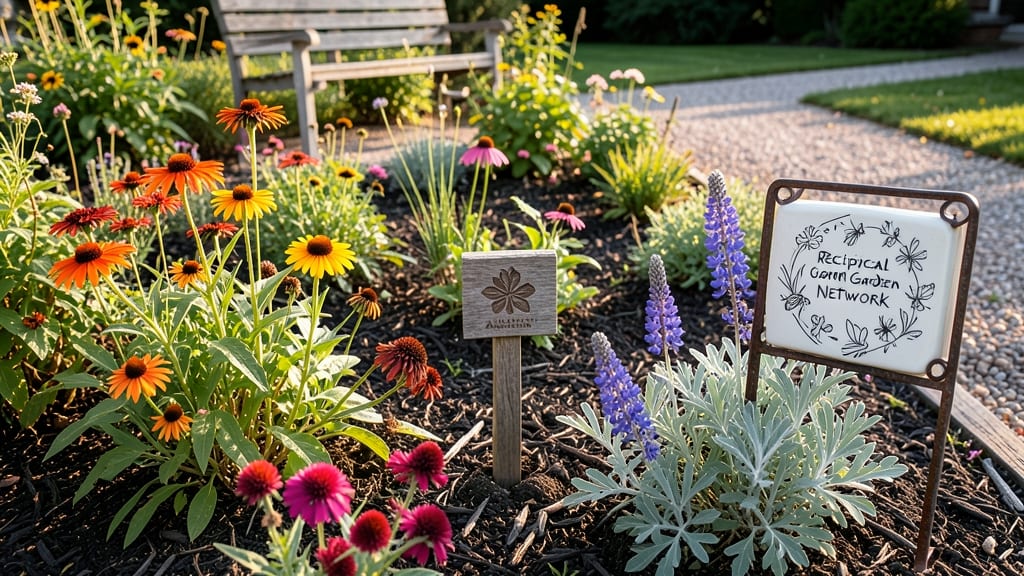
The American Horticultural Society reciprocal garden network connects gardeners nationwide to trade plants, seeds, and gardening knowledge through organized regional exchanges, helping preserve rare botanicals while cutting costs for participants. Membership in AHS and following network rules are required to join.
This unique gardening community operates through structured regional hubs where members swap everything from heirloom seeds to mature plants, all verified for quality. 🌱 The network's digital platforms streamline coordination, making it easier than ever to access hard-to-find varieties while building local gardening relationships.
What sets it apart is how it combines practical resource sharing with conservation efforts, creating a win-win for both individual gardeners and plant diversity.
For those new to the program, the verification process ensures you receive healthy, accurately labeled plants—no surprises included. The system also tracks seasonal availability, so you can plan your garden swaps around what's most abundant when.
Beyond the tangible benefits, members gain access to AHS's extensive educational materials, from propagation guides to pest management tips, all tailored to the plants you're working with.
💡 In This Article
- How the AHS Reciprocal Garden Network Facilitates Plant and Seed Sharing
- Top Benefits of Joining the AHS Reciprocal Garden Network for Gardeners
How the AHS reciprocal garden network facilitates plant and seed sharing
The AHS reciprocal garden network operates through a three-tiered system that combines regional hubs, digital coordination platforms, and seasonal exchange cycles. Each state typically has 1-3 designated hubs where members gather to verify plant health and authenticity before distribution.
These hubs serve as physical verification points where experts check for diseases, proper labeling, and species accuracy—a critical step that prevents the spread of contaminated plants. 🌿 The network's digital platform acts as a marketplace where members post available plants or seeds, specifying details like maturity stage, quantity, and any special care instructions.
Seasonal timing is carefully calibrated to maximize success rates. For example, seed exchanges peak in late winter when gardeners plan their planting schedules, while mature plant swaps occur in spring and early fall when most plants are at their healthiest.
Members receive a digital calendar with optimal exchange windows based on their USDA hardiness zone, ensuring plants are shared at peak viability. The verification process includes a three-step inspection: visual health assessment, species confirmation via botanical guides, and sometimes DNA testing for rare or hybrid varieties.
Logistically, the network handles everything from packaging standards to shipping protocols. Plants must be transported in breathable containers with moisture control to prevent root rot during transit, while seeds are packaged in labeled, airtight envelopes with germination instructions.
Members earn "trade credits" based on what they contribute, which can then be used to request other plants—a system that ensures fairness and prevents hoarding of rare specimens. This credit system also creates incentives for members to diversify their gardens by sharing less common varieties.
What makes this system particularly effective is its integration with AHS's plant database, which tracks the provenance of every shared specimen. This historical record helps identify which varieties thrive in specific climates, creating a living archive of regional gardening success stories.
For instance, a gardener in Zone 7 might discover through the network that a particular peony variety thrives in their area after seeing it perform well in multiple neighboring gardens. This data-driven approach transforms the network from a simple exchange program into a collaborative research tool.
The digital platform incorporates real-time updates about plant availability, with notifications sent when new listings match a member's requested varieties. Advanced members can even set up "wish lists" for rare plants, which hub coordinators monitor to facilitate targeted exchanges.
This level of organization ensures that even hard-to-find botanicals—like heirloom tomatoes or native wildflowers—circulate efficiently through the network without requiring commercial purchases. The system's transparency builds trust among members, who can verify a plant's history before committing to an exchange.
For new participants, the onboarding process includes a 30-minute webinar covering best practices for sharing and receiving plants, complete with case studies of successful exchanges. This educational component reduces common mistakes, such as improper packaging that could damage plants during transit or mislabeling that leads to incorrect species identification.
The network's commitment to education extends beyond the exchange process, offering members access to propagation tutorials and climate-adaptation guides tailored to their specific region. 🌱