
Fertilization
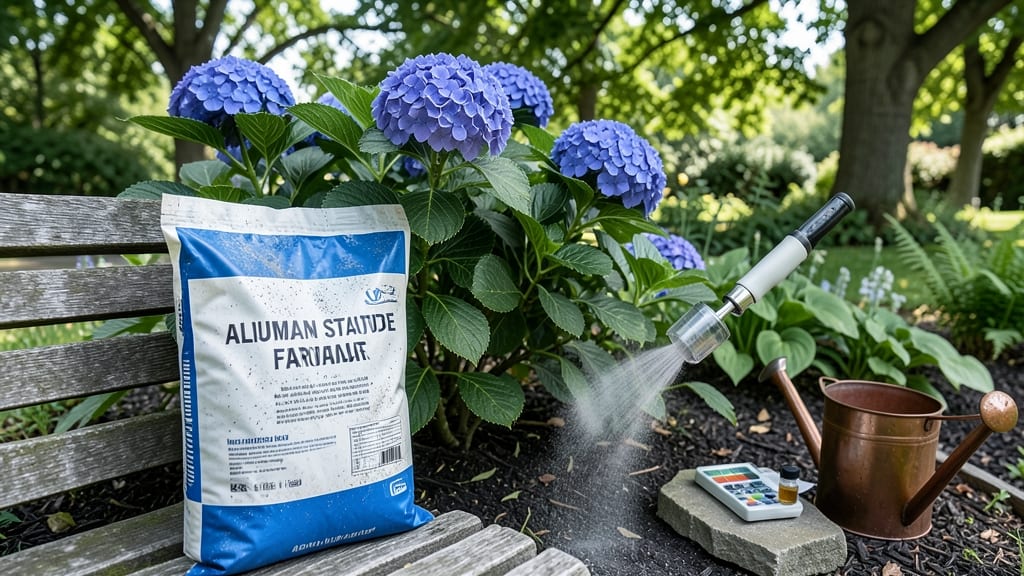
Using aluminum sulfate in gardening lowers soil pH to create acidic conditions, perfect for acid-loving plants like azaleas and blueberries. Apply 5-10 pounds per 100 square feet, following package instructions to prevent over-acidification or plant stress.
Aluminum sulfate works by slowly dissolving in soil moisture to release sulfuric acid, which gradually reduces pH levels over weeks. 🌱 This makes it ideal for gardeners with alkaline soils who want to grow acid-loving shrubs or vegetables like potatoes.
The key is testing your soil first—most garden centers offer affordable pH test kits. I've found that applying it in early spring gives plants time to adjust before the growing season begins, while fall application helps prepare soil for next year's acid-sensitive crops.
Always spread the granules evenly and water them in thoroughly, as uneven distribution can create hotspots that damage plant roots. For container gardens, reduce the amount by half since potting mixes already have different moisture dynamics.
Remember that aluminum sulfate's effects are long-lasting, so you'll only need to reapply every 2-3 years for most plants.
💡 In This Article
- How Aluminum Sulfate Adjusts Soil pH for Acid-Loving Plants
- Safe Application Rates and Best Practices for Garden Use
How aluminum sulfate adjusts soil pH for acid-loving plants
Aluminum sulfate works through a chemical reaction called hydrolysis, where its molecules dissolve in soil moisture to release sulfuric acid (H₂SO₄).
This process starts immediately upon contact with water, but the full effect unfolds over weeks as the acid gradually lowers the soil's pH. The reaction can reduce pH by 1-2 points in most soils, depending on their initial alkalinity and organic matter content.
For example, a soil with a starting pH of 7.5 might drop to 6.0 after application, creating ideal conditions for acid-loving plants like hydrangeas or rhododendrons.
The released sulfuric acid doesn't just lower pH—it also breaks down soil minerals like calcium carbonate, releasing aluminum ions that further enhance acidification. This dual action makes aluminum sulfate more effective than elemental sulfur, which only releases acid through microbial oxidation.
However, the aluminum ions can become toxic at high concentrations, which is why precise application rates are critical. 🌱 Most garden soils tolerate up to 0.5-1.0 pounds per 100 square feet without harming beneficial microbes, though sandy soils may require slightly more due to their lower buffering capacity.
Long-term effects include improved nutrient availability, particularly for phosphorus and iron, which become more soluble in acidic conditions. This explains why aluminum sulfate benefits plants like blueberries that need pH 4.5-5.5 to thrive. The process also stimulates certain soil microbes while suppressing others, which can temporarily alter nitrogen cycling.
For instance, nitrifying bacteria become less active in highly acidic soils, potentially reducing nitrate availability until the pH stabilizes.
One common misconception is that aluminum sulfate creates "instant" acidification. In reality, the pH change occurs gradually as the sulfuric acid diffuses through the soil profile. This slow release is both an advantage (preventing shock to plant roots) and a challenge (requiring patience).
For container gardens, the process happens faster due to smaller soil volumes, but the same gradual mechanism applies. 💫 Testing soil pH 4-6 weeks after application gives the most accurate reading of the amendment's effectiveness.
Visual clues can help gardeners monitor progress. Acid-loving plants often show improved foliage color and vigor within months, while alkaline-tolerant species like lavender may exhibit yellowing leaves as the soil pH drops.
The key is balancing acidification with plant tolerance—some varieties, like potatoes, prefer slightly acidic soil (pH 5.0-6.0) while others, like azaleas, need much lower levels (pH 4.5-5.5). Always match the application rate to your specific plants' requirements.
For those concerned about aluminum toxicity, modern agricultural research shows that most garden applications remain safe when used according to package instructions. The aluminum ions released are typically bound by soil organic matter, preventing uptake by plant roots.
However, extremely high rates or repeated applications without soil testing can lead to accumulation over time, which is why periodic pH monitoring is essential.