
Vegetables
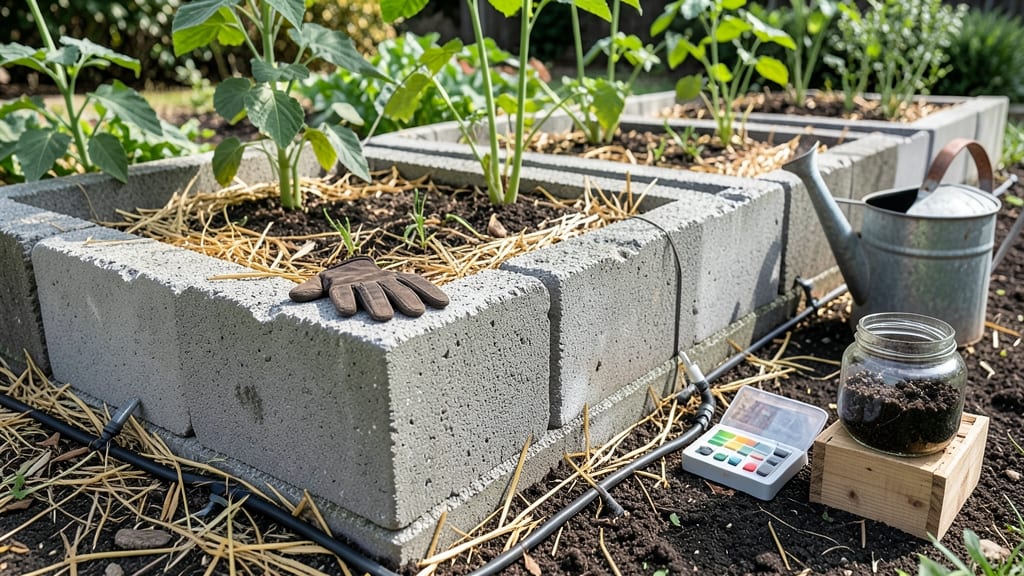
Cinder blocks are generally safe for vegetable gardens, but their alkaline properties can gradually increase soil pH over time, which may negatively affect acid-loving plants like blueberries or tomatoes. Regular soil testing and organic amendments can help maintain proper pH balance.
Cinder blocks themselves don't leach harmful chemicals into the soil, but their porous nature can absorb and slowly release alkaline minerals over time. 🌱 This gradual shift in pH—typically toward the basic range—can limit nutrient availability for plants that prefer acidic conditions, such as potatoes or strawberries.
The good news? Most vegetables, like peppers and cucumbers, tolerate neutral to slightly alkaline soils well. To mitigate risks, I recommend lining the bottom of your raised beds with landscape fabric before adding cinder blocks, creating a barrier that prevents direct mineral transfer.
For acid-loving crops, you can counteract the pH shift by incorporating sulfur-based amendments or peat moss into your planting mix. Regular soil testing every 6-12 months will help you catch any pH drift early.
While cinder blocks offer durability and affordability, their long-term chemical impact means they're best suited for gardens with neutral-loving vegetables or those willing to actively manage soil chemistry.
💡 In This Article
- How Cinder Blocks Affect Soil Chemistry and Plant Health
- Safe Alternatives to Cinder Blocks for Raised Garden Beds
How cinder blocks affect soil chemistry and plant health
Cinder blocks are made from coal slag and other industrial byproducts, giving them a naturally alkaline pH—typically between 7.5 and 9.0 when measured in water. When placed in garden beds, their porous surfaces gradually leach calcium, magnesium, and other alkaline minerals into the surrounding soil over time.
This process occurs through a combination of water absorption and mineral dissolution, especially in moist conditions where the blocks' pores retain water and accelerate chemical exchange. 🌱 The rate of pH change depends on factors like block age, moisture levels, and soil type, but most gardeners notice shifts after 1-2 growing seasons.
The real concern lies in how this altered pH affects nutrient availability. For example, when soil pH rises above 7.0, essential micronutrients like iron, manganese, and zinc become less soluble, making them harder for plants to absorb.
Acid-loving crops such as blueberries (pH 4.5-5.5 ideal), potatoes (pH 5.0-6.0), and strawberries (pH 5.5-6.5) suffer most, showing symptoms like yellowing leaves (chlorosis) or stunted growth.
In contrast, vegetables like beans, squash, and peppers thrive in neutral to slightly alkaline soils (pH 6.0-7.5), making cinder blocks a better fit for these plants.
To mitigate these effects, start by testing your soil's baseline pH before building raised beds. If you're growing acid-loving plants, consider using sulfur amendments (like elemental sulfur or aluminum sulfate) to lower pH, or incorporate peat moss or pine bark fines into your planting mix.
For existing beds, a 2-3 inch layer of compost can help buffer pH changes by adding organic acids. The key is proactive management—regular testing every 6 months will let you adjust before plants show stress signs.
Another factor to consider is the block's surface area exposed to soil. Smaller blocks or those stacked with mortar have less contact, reducing mineral leaching.
If you're concerned about long-term alkalinity, you can also line the interior of your raised bed with landscape fabric before adding soil, creating a physical barrier that limits direct contact between the blocks and root zone. This simple step can buy you 1-2 extra years before needing pH adjustments.
Interestingly, the texture of cinder blocks also plays a role. Newer blocks often have a smoother surface that releases fewer minerals initially, while older, weathered blocks may leach more aggressively.
If you're repurposing salvaged blocks, soaking them in water for 24 hours before use can help pre-leach some alkaline minerals, reducing the initial pH shock to your soil. This pre-treatment mimics what happens naturally over time but gives you more control.
For gardeners using cinder blocks, the bottom line is balance. While they won't harm most vegetables, their long-term alkalinity means they're not ideal for every plant. By combining them with proper soil amendments and regular monitoring, you can create a productive growing environment that works with—not against—your garden's chemistry. 💫