
Plants
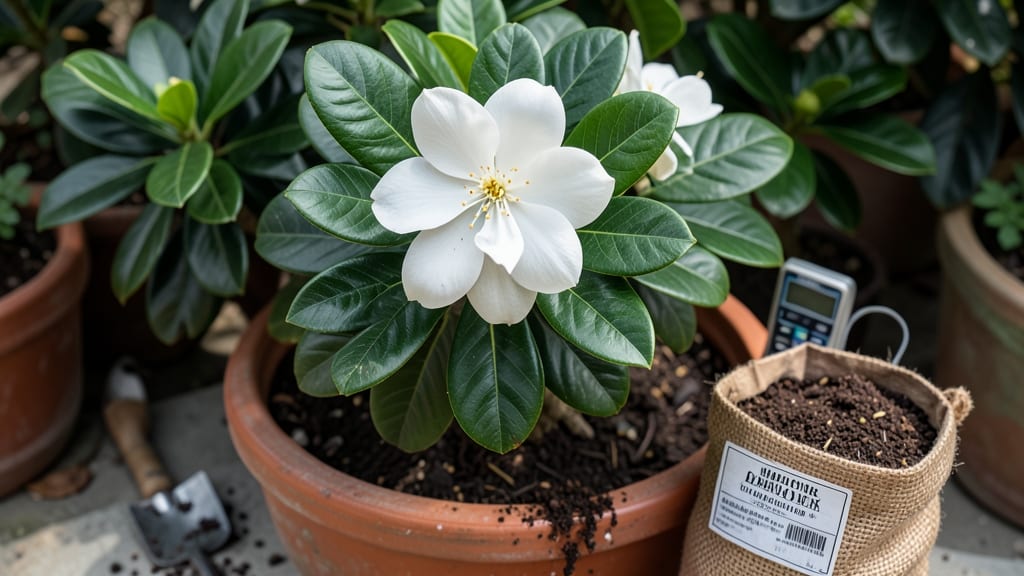
Coffee grounds are good for gardenia plants because they naturally acidify soil and provide nitrogen, but you must use them carefully—too much can smother roots, attract pests, or create mold. Always use composted grounds and mix them lightly into mulch rather than applying directly to the soil.
Gardenia plants thrive in acidic soil with a pH between 5.0 and 6.0, and coffee grounds help lower pH levels over time by releasing organic acids as they decompose. 🌿 The nitrogen in grounds also supports leafy growth, but the key is moderation—fresh grounds can compact soil and slow drainage, while overuse may lead to fungal issues.
I recommend mixing 1-2 tablespoons of composted grounds per plant every 2-3 months, combined with other organic mulches like pine needles for balanced acidity. This approach mimics natural forest floor conditions where gardenias originally grew.
What many gardeners overlook is that coffee grounds work best as a supplement, not a primary fertilizer. For instance, pairing them with worm castings or sulfur-based amendments creates a more stable soil environment.
If you notice yellowing leaves or a musty smell near your gardenia, it's a sign you've overdone it—rinse the soil lightly and reduce future applications. The goal is to mimic nature's slow-release system, not create a coffee-ground-heavy ecosystem.
💡 In This Article
- How Coffee Grounds Affect Gardenia Soil Chemistry
- Safe Ways to Use Coffee Grounds for Gardenias
How coffee grounds affect gardenia soil chemistry
Coffee grounds lower soil pH by releasing organic acids like chlorogenic and caffeic acid as they decompose. Gardenias thrive in acidic soil (pH 5.0-6.0), and these compounds create a slow-release acidification process similar to pine needles or sulfur amendments.
The breakdown happens gradually—over 4-6 weeks—because microbes need time to metabolize the complex organic matter. This contrasts with quick-acting amendments like vinegar, which can cause pH swings harmful to delicate gardenia roots.
The nitrogen content (about 2% by weight) in coffee grounds provides a mild fertilizer boost, but the real magic happens during decomposition. When mixed into soil, these grounds become a food source for beneficial microbes that convert the nitrogen into plant-available forms like ammonium and nitrate.
However, fresh grounds release nitrogen too quickly, which can burn roots—this is why composted grounds (fully decomposed) are ideal. Think of it like slow-release fertilizer: the longer the grounds sit in compost, the gentler their nutrient release becomes.
Here's what happens chemically: The organic acids in coffee grounds displace calcium and magnesium ions in the soil, reducing pH while adding trace minerals. This process is most effective in well-draining soils where roots can access oxygen.
In compacted or waterlogged conditions, the acids can accumulate, creating a pH 4.0 or lower micro-environment that harms gardenias. The key is balance—too much acidification stresses plants, just like too little nitrogen limits growth. 🌱
One often-overlooked risk is fungal growth. Coffee grounds create a moist, organic-rich environment that can become a breeding ground for pathogens like Phytophthora if overused.
The caffeine in grounds (about 1-2%) actually acts as a natural fungicide at first, but as it breaks down, the environment becomes more hospitable to mold. This is why gardeners should never apply grounds directly to soil—always mix them into mulch or compost first to dilute their concentration.
For visual comparison: A 1-inch layer of composted coffee grounds per square foot lowers pH by about 0.5 units over 3 months, while fresh grounds in the same amount could drop pH by 1.0 unit but risk compaction.
The difference comes down to microbial activity—composted grounds have already been pre-processed by decomposers, making their effects more predictable and plant-safe.
To monitor effectiveness, test soil pH every 3 months using a simple kit. Gardenias show stress at pH 4.5 (leaves yellow) or > 6.5 (leaves darken and growth slows). The sweet spot is where white flowers bloom abundantly—a visual cue that soil chemistry is perfect. 🌸