
Pests
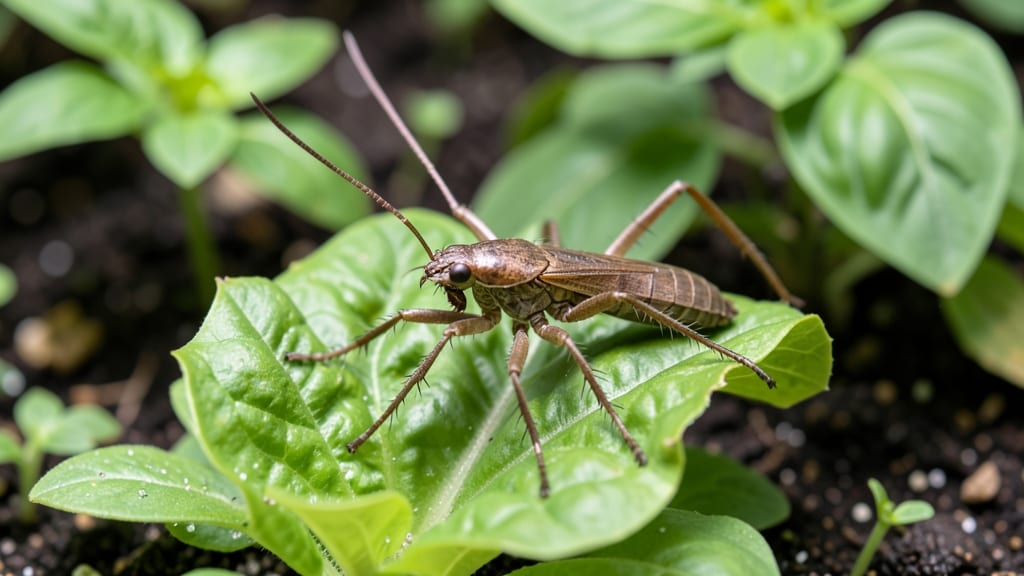
Earwigs aren’t inherently bad for gardens—they primarily consume decaying plant matter, fungi, and small pests, but some species may occasionally damage young seedlings or flowers. While they contribute to soil health, large populations can become problematic.
Earwigs actually play a helpful role in many gardens by breaking down organic debris and controlling smaller pests like aphids. 🌱 However, their reputation as plant destroyers comes from occasional nibbling on tender leaves or blooms—especially in lettuce, roses, or basil.
The key difference lies in their numbers: a few earwigs are beneficial, while swarms may require intervention to protect vulnerable plants.
These nocturnal creatures thrive in moist environments, which is why you’ll often find them near mulch or under rocks. Their diet shifts seasonally—spring and summer bring more plant-based feeding, while autumn focuses on decaying matter.
This natural cycle explains why some gardeners notice damage during peak growing seasons but see no issues in colder months.
💡 In This Article
- What Earwigs Eat: Garden-Friendly or Harmful?
- Natural Ways to Manage Earwig Populations in Gardens
What earwigs eat: garden-friendly or harmful?
Earwigs are primarily detritivores, meaning they feed on decaying organic matter like fallen leaves, dead insects, and rotting wood. This behavior actually benefits your garden by breaking down debris and recycling nutrients back into the soil.
Their diet also includes fungi, which helps control mold and mildew that can harm plants. In fact, studies show they consume up to 10-15% of their body weight daily in organic waste—about the same as a compost worm!
The confusion arises when earwigs occasionally turn to live plant material, particularly during dry conditions when their preferred decaying food sources are scarce. They’ll nibble on tender young leaves, flower petals, and soft fruits like strawberries or tomatoes.
For example, gardeners often notice damage on lettuce, roses, and basil because these plants have delicate foliage. Unlike caterpillars or beetles, earwigs don’t chew large holes—they create small, irregular notches along leaf edges, which is their telltale sign.
Here’s where they differ from beneficial insects: ground beetles and rolly-pollies (another detritivore) primarily eat harmful pests like slugs and aphids, while earwigs focus on organic matter. The key distinction is their opportunistic feeding. In moist, shaded areas with plenty of decaying material, they’ll rarely bother plants.
But in dry, sunny spots where organic debris is limited, their plant-eating tendencies increase. This explains why you might see them in vegetable gardens during droughts but not in well-mulched flower beds.
Their nocturnal habits also play a role. Earwigs are most active at night, which is why you’ll often find them hiding under rocks, boards, or dense mulch during the day. This behavior makes them less visible but more likely to feed on plants under cover of darkness.
The damage they cause is usually minimal unless their population explodes—then you might see noticeable feeding marks on your prized plants. 🌿
What most gardeners don’t realize is that earwigs have a seasonal diet shift. In spring and summer, when plants are actively growing, they’ll occasionally snack on leaves. But by autumn, they return to their primary diet of decaying matter, helping prepare the soil for winter.
This natural cycle means their impact varies dramatically depending on the time of year and your garden’s specific conditions.
To put it in perspective, consider this comparison: a single earwig might eat about 1-2% of a leaf’s surface area in a night—far less than what a single caterpillar could consume.
The real issue arises when you have hundreds or thousands of them in a concentrated area, which is why monitoring their numbers is more important than outright eradication in most cases.
One fascinating detail is how their diet affects their role in the ecosystem. Earwigs are also known to prey on small insects like mites and fly larvae, which can be beneficial. However, their impact as predators is minimal compared to their detritivore activities.
This dual role makes them a classic example of an insect that can be both helpful and harmful depending on the circumstances.