I remember the first tomato I grew from seed—it was tiny, red, and tasted like sunshine on a summer afternoon. That moment hooked me for life. Now, I spend my days digging into soil, chasing the perfect bloom, and sharing the little joys of gardening that make it all worthwhile. This site is where I pass along the lessons I’ve learned, the plants that thrive in my zone, and the quiet magic of watching something grow from nothing.
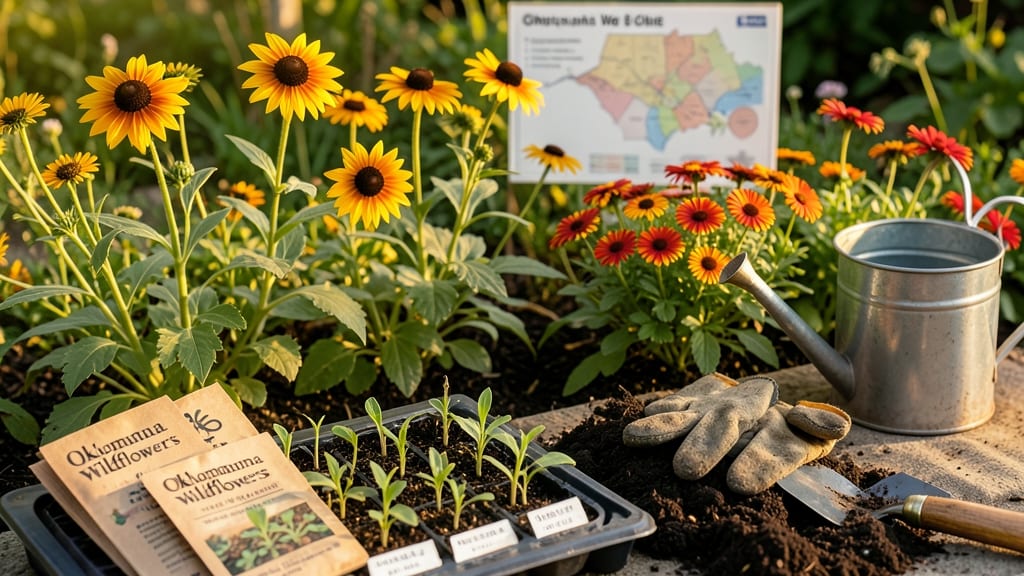
💥 Quick Answer To plant a garden in Oklahoma, start cool-season crops like lettuce and peas in early spring (March) or fall (September), while warm-season plants such as tomatoes and peppers should wait until after the…
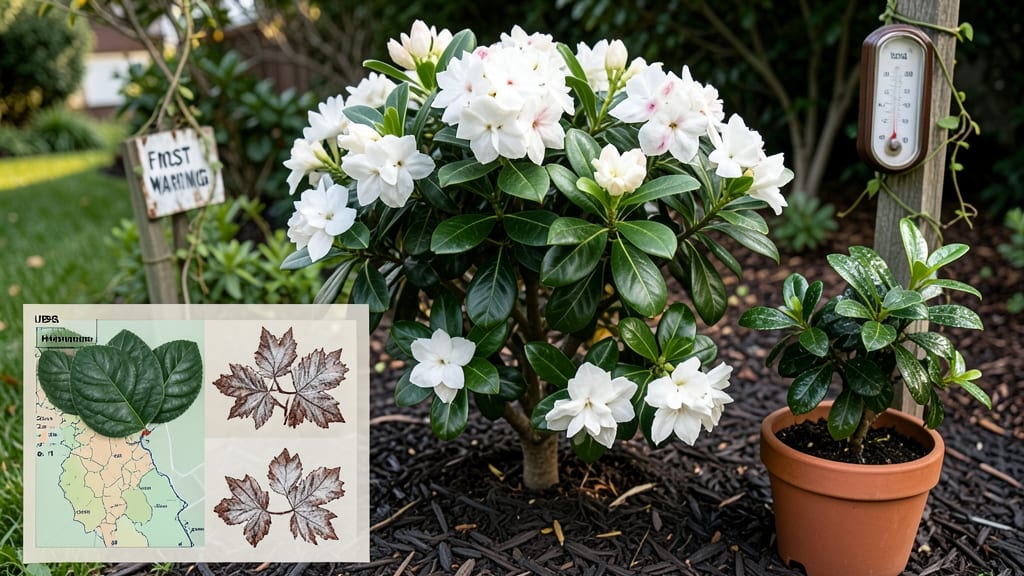
💥 Quick Answer Gardenia cold hardiness is limited to USDA Zones 8-11, meaning these tropical plants can't tolerate frost or temperatures below 30°F without significant damage. Proper winter protection like mulching…
💥 Quick Answer Gardening and depression relief are directly connected through stress reduction, dopamine release, and mindfulness—research confirms that tending plants lowers cortisol levels while increasing serotonin…
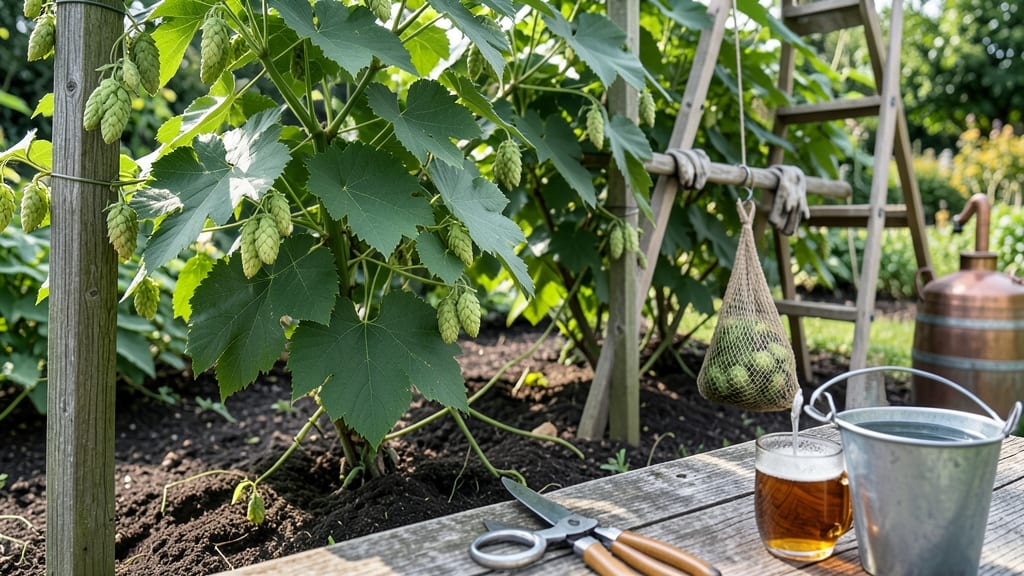
💥 Quick Answer Beer and gardening create an unexpected but powerful partnership: spent grain from brewing adds essential nitrogen and phosphorus to soil, while beer itself acts as a natural slug trap and pest deterrent…
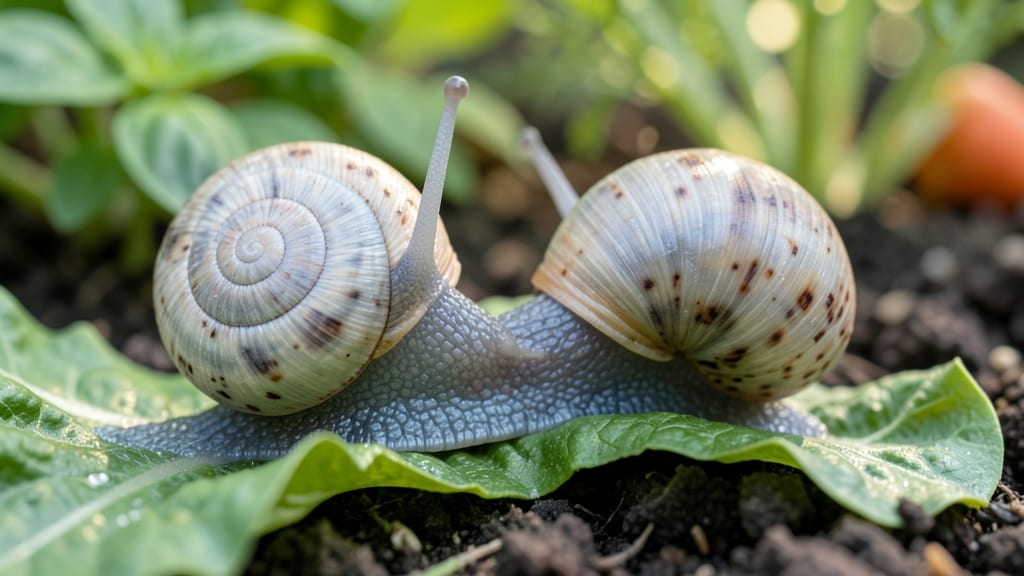
💥 Quick Answer Snails are beneficial to gardens because they aerate soil with their burrowing, enrich it with nutrient-rich mucus trails, and break down organic matter into compost-like castings that boost plant growth…
💥 Quick Answer The botanical gardens in Fort Bragg feature stunning displays of native Carolina plants alongside rare orchids and pollinator-friendly species, all set against historic military landscapes. Key spots like…
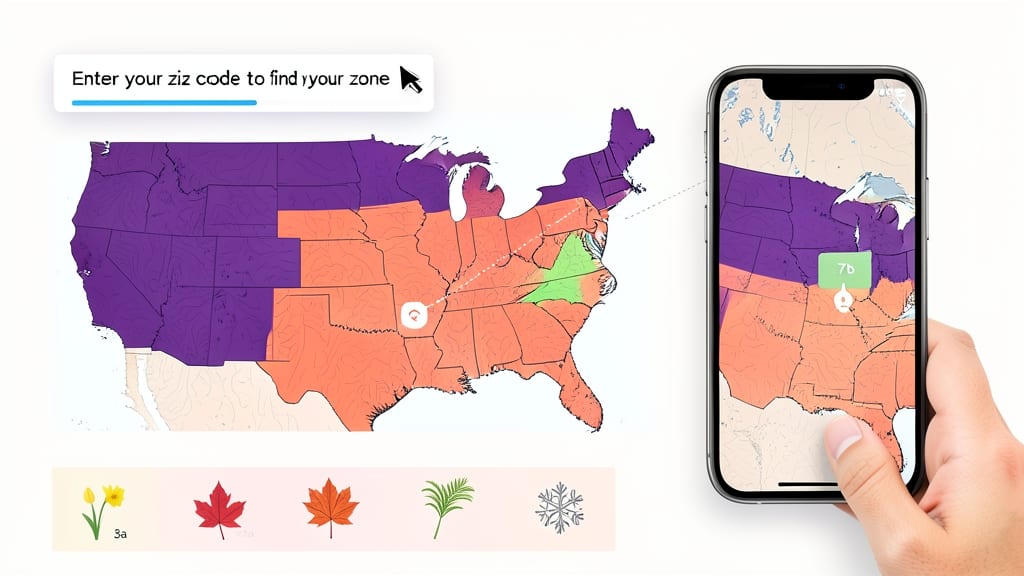
💥 Quick Answer Finding your gardening zone by zip code reveals your USDA Plant Hardiness Zone, which tells you which plants will survive your local winters. Use the USDA’s interactive map to identify your zone number…
💥 Quick Answer Garden trivia questions and answers challenge your plant knowledge with fascinating insights like how Venus flytraps digest insects using specialized enzymes or how bristlecone pines can live over 5,000…
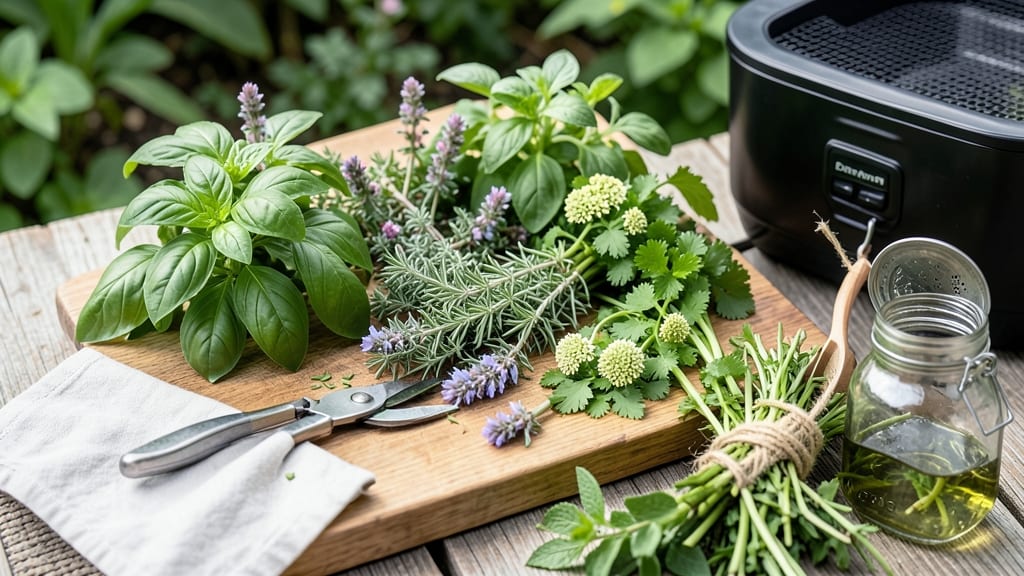
💥 Quick Answer To dry fresh herbs from the garden, harvest leaves before flowering, tie small bundles with twine, and hang upside down in a dry, dark, well-ventilated space for 1-2 weeks. Remove dried leaves and store…
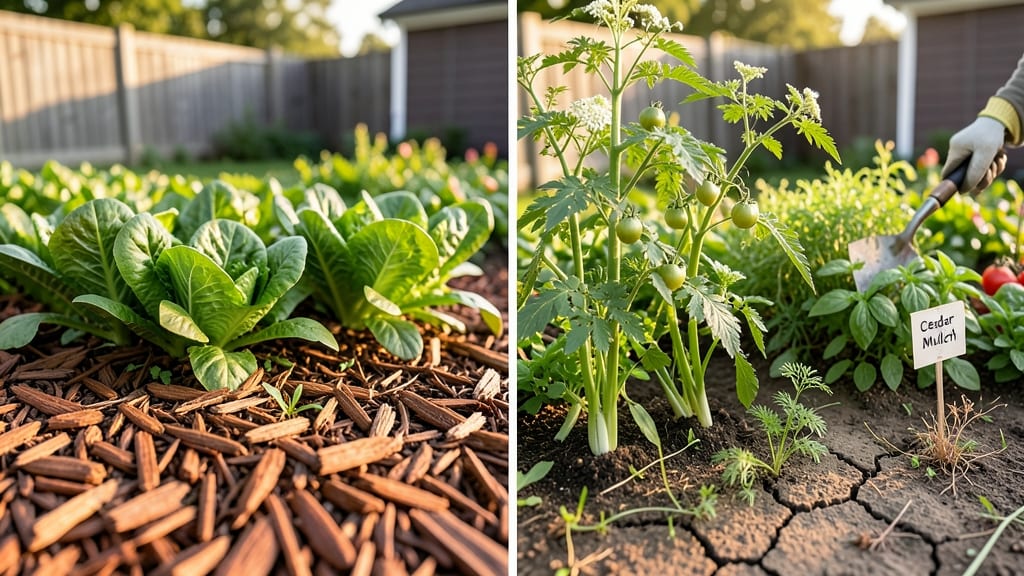
💥 Quick Answer Cedar mulch is not good for vegetable gardens because its natural oils suppress seed germination and stunt plant growth, while gradually acidifying the soil. For edible plants, safer organic options like…