
Planting
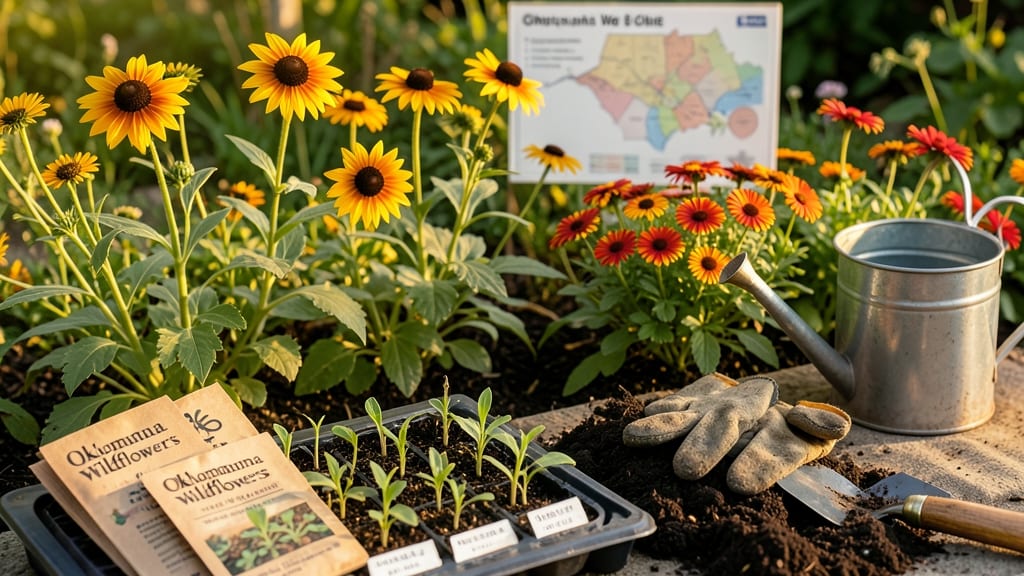
To plant a garden in Oklahoma, start cool-season crops like lettuce and peas in early spring (March) or fall (September), while warm-season plants such as tomatoes and peppers should wait until after the last frost (mid-April to late May). Always verify your local frost dates for accurate timing.
Oklahoma's diverse climate means planting times vary by region and crop type.
The state spans USDA zones 6b through 8a, with northern areas like Oklahoma City experiencing later last frosts than southern regions like Tulsa. 🌱 For example, cool-season greens can handle light frosts, while tender plants like basil need consistent warmth. My best advice?
Use the Oklahoma Mesonet frost date maps or check with your local cooperative extension office—they provide hyper-localized planting windows that account for microclimates.
Pro tip: Succession planting works wonders here. After harvesting early spring peas, replant with beans or cucumbers once soil temperatures hit 60°F. And don't forget about fall planting—many Oklahoma gardeners get a second harvest by sowing lettuce in September for a winter crop.
The key is matching your planting schedule to your specific zone's frost-free period.
💡 In This Article
- Oklahoma Frost Dates and Planting Zones Explained
- Best Planting Calendar for Oklahoma Gardens
Oklahoma frost dates and planting zones explained
Oklahoma spans USDA hardiness zones 6b through 8a, creating distinct planting windows across the state. Northern regions like Oklahoma City (Zone 7a) typically experience their last spring frost around April 15, while southern areas like Tulsa (Zone 7b) see it 2-3 weeks earlier.
This variation means a 30-day difference in planting warm-season crops between north and south. The first fall frost also shifts—northern gardens may see frost by mid-November, while southern areas can extend planting until early December.
Frost dates determine when to plant because most warm-season crops (tomatoes, peppers, cucumbers) won't survive temperatures below 50°F. Cool-season crops (spinach, kale, broccoli) actually thrive in 40-60°F ranges and can handle light frosts.
The Oklahoma Mesonet tracks these patterns precisely, showing how microclimates near rivers or hills can delay frost by 7-10 days compared to flatland areas. For example, Altus (Zone 7b) often has 10% fewer frost days than nearby Lawton (Zone 7a) due to elevation differences.
Here's how frost impacts your planting schedule: Cool-season crops should go in 4-6 weeks before your average last frost date, while warm-season crops need 2-3 weeks after. For Oklahoma City gardeners, that means starting peas in early March but waiting until mid-May for tomatoes.
The 30-day window between frost dates across the state explains why southern Oklahoma can plant melons 3 weeks earlier than northern regions. This timing difference also affects harvest windows—southern gardens often get 2-3 weeks longer growing seasons for heat-loving crops.
What most gardeners overlook is how soil temperature matters more than air temperature. Warm-season seeds won't germinate until soil reaches 60-65°F, which typically lags 2-4 weeks behind air temperature warming.
In Oklahoma, this means you might see 50°F air temperatures in April but 45°F soil temperatures—perfect for cool crops but deadly for tomatoes. Use a soil thermometer to confirm readiness, especially in Zone 6b areas where spring warming happens gradually.
Consider these key frost date variations across Oklahoma:
- Northern Oklahoma (Zone 6b): Last frost April 20-May 5, first fall frost October 25-November 10
- Central Oklahoma (Zone 7a): Last frost April 10-20, first fall frost November 5-15
- Southern Oklahoma (Zone 7b-8a): Last frost March 25-April 10, first fall frost November 15-December 5
This regional variation explains why Tulsa gardeners can plant sweet potatoes in early April while Enid gardeners must wait until mid-May. The 100-mile difference between these cities creates a 6-week planting window shift for heat-sensitive crops.
Always verify with your local Cooperative Extension Service—they provide hyper-local frost data that accounts for these microclimate differences.
The bottom line? Oklahoma's frost patterns create a 4-6 week planting window between north and south. Use this zone information to adjust your schedule—planting tomatoes in northern Oklahoma before May 15 risks frost damage, while southern Oklahoma gardeners can safely plant by April 15.
This regional timing explains why some Oklahoma gardeners get two full harvest seasons while others struggle with shorter growing periods. 🌱