
Planting
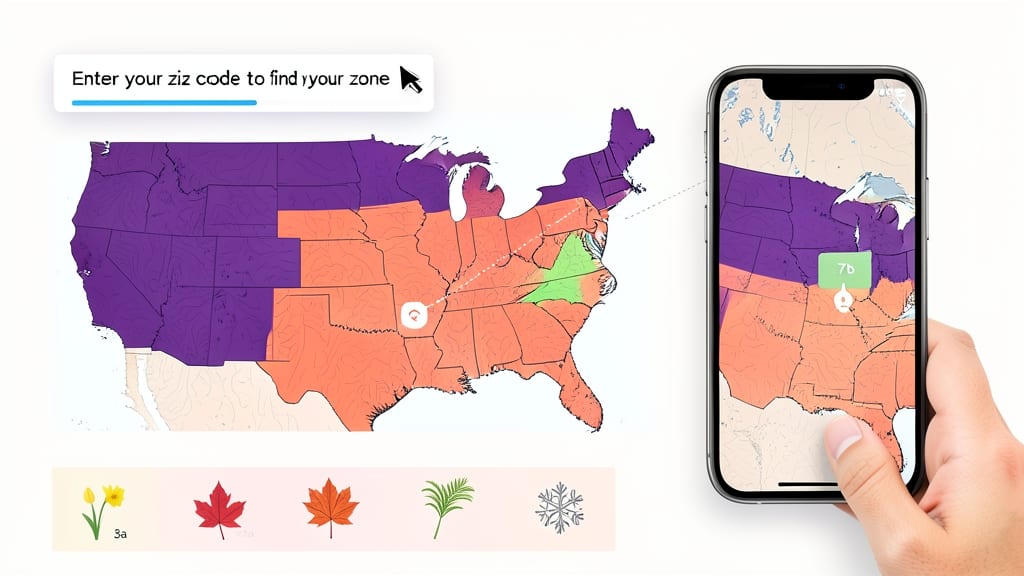
Finding your gardening zone by zip code reveals your USDA Plant Hardiness Zone, which tells you which plants will survive your local winters. Use the USDA’s interactive map to identify your zone number and frost dates for perfect planting timing.
Your USDA Plant Hardiness Zone isn't just a number—it’s the foundation for successful gardening. 🌱 This 13-zone system, based on average minimum winter temperatures, helps you select cold-hardy plants that will thrive in your area.
For example, Zone 5 (common in the Midwest) can handle down to -20°F, while Zone 10 (Southern California) rarely drops below 30°F. Microclimates, like sunny south-facing walls or shaded valleys, can even shift your effective zone by one or two numbers, so always observe your garden’s unique conditions.
Once you know your zone, you’ll understand why some plants flourish in your yard while others struggle. Frost dates—another key detail from the USDA map—tell you when to plant cool-season crops and when to hold off on heat-loving vegetables.
For instance, if your last frost is April 15, you’ll want to wait until after that date to plant tomatoes, which hate cold soil.
💡 In This Article
- How USDA Plant Hardiness Zones Define Your Gardening Climate
- Best Tools to Find and Use Your Gardening Zone
How USDA plant hardiness zones define your gardening climate
The USDA Plant Hardiness Zone Map divides North America into 13 zones based on the average annual minimum winter temperatures. Each zone represents a 10°F range—Zone 3 (coldest) endures down to -40°F, while Zone 13 (warmest) stays above 60°F.
This system helps gardeners match plants to their climate's coldest extremes, since most plants die if exposed to temperatures colder than their zone rating. For example, a Zone 5 maple tree won't survive in Zone 9 winters, while a Zone 10 bougainvillea would freeze in Zone 6. 🌡️
Microclimates—small areas with unique conditions—can shift your effective zone by 1-3 degrees. A south-facing wall absorbs heat, creating a Zone 7 microclimate in an otherwise Zone 5 yard, while a low-lying area might experience 5°F colder nights.
Elevation also plays a role: temperatures drop about 3.5°F per 1,000 feet gained, so a mountain garden in Zone 6 might behave like Zone 4. These variations explain why some plants thrive in your neighbor’s yard but struggle in yours.
Frost dates—the average last spring frost and first fall frost—are equally critical. The USDA map provides these dates, which determine when to plant cool-season crops (like lettuce) or warm-season plants (like peppers).
For instance, if your last frost is April 15, you’ll wait until 2 weeks after that date to plant tomatoes, giving the soil time to warm to 60°F. Conversely, fall frost dates tell you when to harvest or protect tender plants before temperatures drop below 32°F. 🌱
Zone boundaries aren’t absolute—they’re based on 30-year averages, so your actual winter might be warmer or colder. For example, a Zone 6 area could experience a -15°F winter one year but only 10°F the next.
This variability is why gardeners in marginal zones (like Zone 7b) often use mulch or cold frames to extend the growing season. Understanding these fluctuations helps you adapt your planting schedule year to year.
Regional comparisons highlight how zones shape gardening. The Pacific Northwest’s Zone 7-8 climate supports year-round gardening, while the Midwest’s Zone 4-5 requires cold-hardy varieties like Korean cabbage or winter wheatgrass. Even within a zone, soil type matters: sandy soil warms faster in spring than clay, affecting planting times.
For example, in Zone 5, you might plant peas in early April in well-drained soil but wait until May in heavy clay.
Here’s what this means for your garden: If you’re in Zone 9, you can grow citrus trees outdoors, but a Zone 5 gardener would need a greenhouse. The zone system also explains why some plants (like roses) thrive in Zone 4 but struggle in Zone 10’s heat.
By aligning your plant choices with your zone—and adjusting for microclimates—you’ll create a garden that’s both beautiful and resilient. ✨